- 1
- BLACKL
- TABLETAPPLE iPad Mini 8NEW iPad A16(2025) iPad 10.9" 10th (2022) iPad 10.2" (7th/8th/9th) iPad Air 13" (M2/M3/M4)(2024/2025/2026)NEW iPad Air 11" (M2/M3/M4)(2024/2025/2026)NEW iPad Mini 8.3" (A7 Pro/6th Gen) iPad Pro13"(M4/M5)(2024/2025) iPad Pro11"(M4/M5)(2026) iPad 9.7" (5th/6th Gen) iPad Pro 12.9"(2018-2022) iPad Pro 11"(2018-2022) iPad 9.7"(2th/3th/4th) iPad Air 10.9"(4th/5th Gen) iPad Mini 7.9"(4th/5th Gen)SAMSUNG Galaxy Tab A11 Galaxy Tab A11 Plus Galaxy Tab S11 Galaxy Tab S12 PlusNEW Galaxy Tab S12 UltraNEW Galaxy Tab A9+ Galaxy Tab A9 Galaxy Tab A8 Galaxy Tab A7 Galaxy Tab A7 Lite Galaxy Tab S11 Ultra/S10 Ultra/S9 Ultra/S8 Ultra Galaxy Tab S10+/S9+/S9 FE+ Galaxy Tab S10Lite/S10 FE/S9 FE/S9 Galaxy Tab S8+/S7+/S7 FE Galaxy Tab S8/S7 Galaxy Tab S6 lite Galaxy Tab A10.1 Galaxy Tab A8.4 Galaxy Tab A8.0 Galaxy Tab S10 FE+LENOVO iDea tab 11/Tab K11 Gen 2 /Xiaoxin Pad 11 2025 Lenovo Tab K9 (Tab One) 2025 Lenovo Tab M10 10.1"(2025) Lenovo Tab M10 Plus 10.6" (3rd Gen) Lenovo Tab M10 HD 10.1" (3rd Gen) Lenovo K10/M10 Plus 10.3" (2nd Gen) Lenovo Tab M10 HD 10.1" (2nd Gen)XIAOMI Redmi Pad 2 9.7 InchNEW Xiaomi Pad8/8Pro 11.2" Redmi Pad2/Pad2.4G Xiaomi Pad 6/6 Pro 11" Redmi Pad 10.61" Redmi Pad Se 11" Redmi pad Se 4G 8.7" Xiaomi Pad7/7 Pro 11.2" Redmi Pad Pro/Xiaomi Poco Pad/Redmi Pad2 Pro 12.1HUAWEI Huawei Matepad Se 10.4" Huawei Matepad 11" Huawei Matepad 11.5" Huawei Matepad SE 11" Huawei Matepad T8 8" Huawei Matepad T10 9.7"
- CATEGORIES






How a Multi-Angle Kickstand Supports Logistics Scanning and Field Service Work
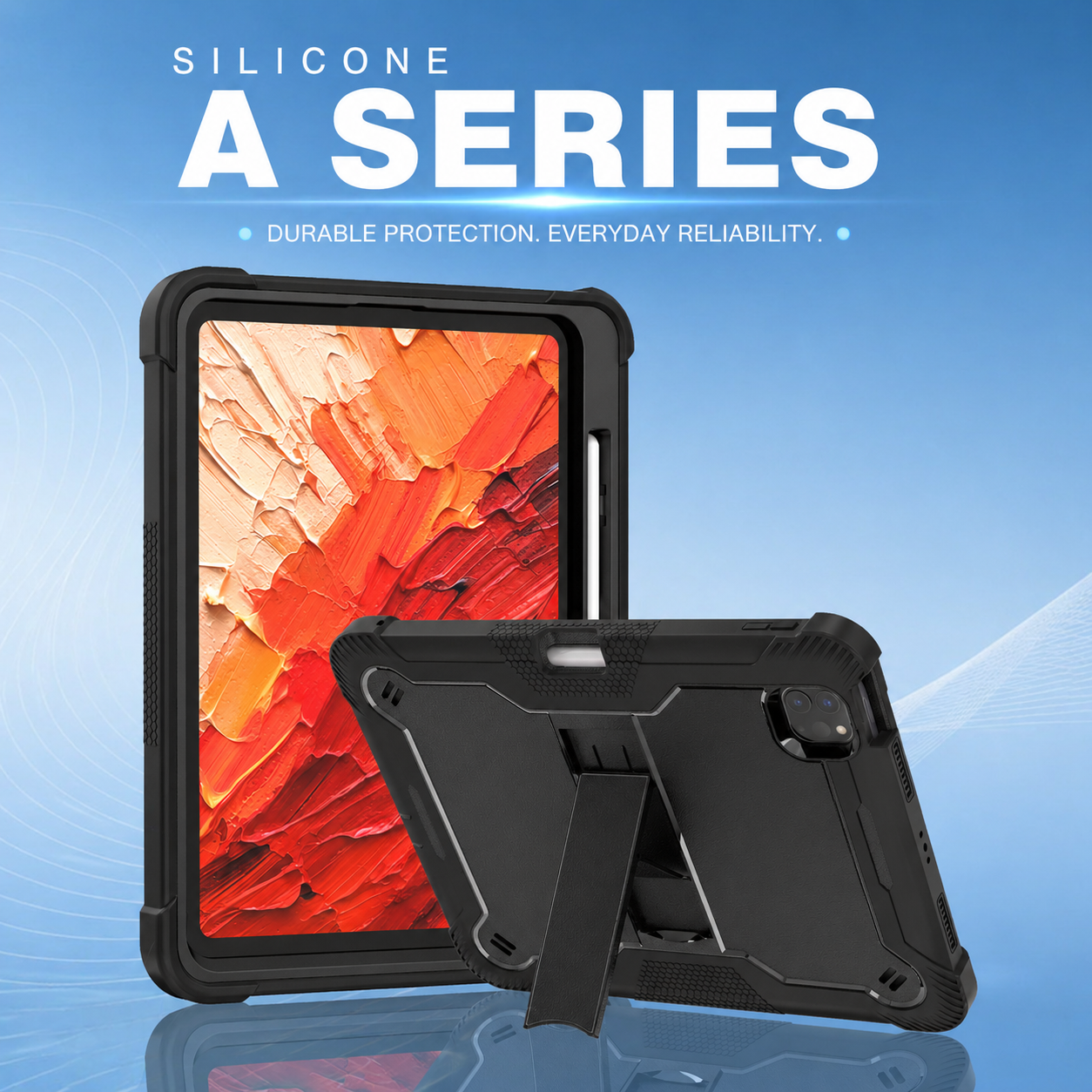
In logistics and field service, tablet use often happens while the worker is doing something else. A warehouse employee may need both hands to move cartons, scan labels, and confirm bin locations. A delivery driver may need to review route details after parking. A technician may need to compare an equipment diagram with a repair checklist. In these moments, a multi angle kickstand tablet case can make tablet use more practical because the screen can stay visible without constant hand support.
The value of a stand is not limited to convenience. It affects speed, accuracy, and safety. When a tablet is always held in one hand, the worker has less control over tools, parcels, or inspection equipment. A stable stand lets the device sit on a packing table, service cart, vehicle floor, toolbox, warehouse desk, or customer counter. This makes it easier to enter data, read instructions, confirm part numbers, or check dispatch notes without placing the tablet face down on an unsafe surface.
Hands-free viewing in movement-heavy environments
A good stand must support different viewing needs. Low angles may be useful for typing or signing; upright angles help workers read maps, work orders, and inventory lists. That is why a multi angle kickstand tablet case is useful for teams that shift between scanning, reviewing, documenting, and communicating. The case adapts to the task instead of forcing the worker to adapt to one fixed angle.
For warehouse teams, a kickstand can support batch scanning and order verification. The tablet can remain open on the correct application while the worker moves products, checks SKUs, or confirms quantities. For field service teams, the tablet can display a service manual while the technician handles tools. A multi angle kickstand tablet case also helps supervisors conduct quick shift briefings, showing delivery instructions or safety reminders from a shared tablet screen.
Protection still matters around the stand
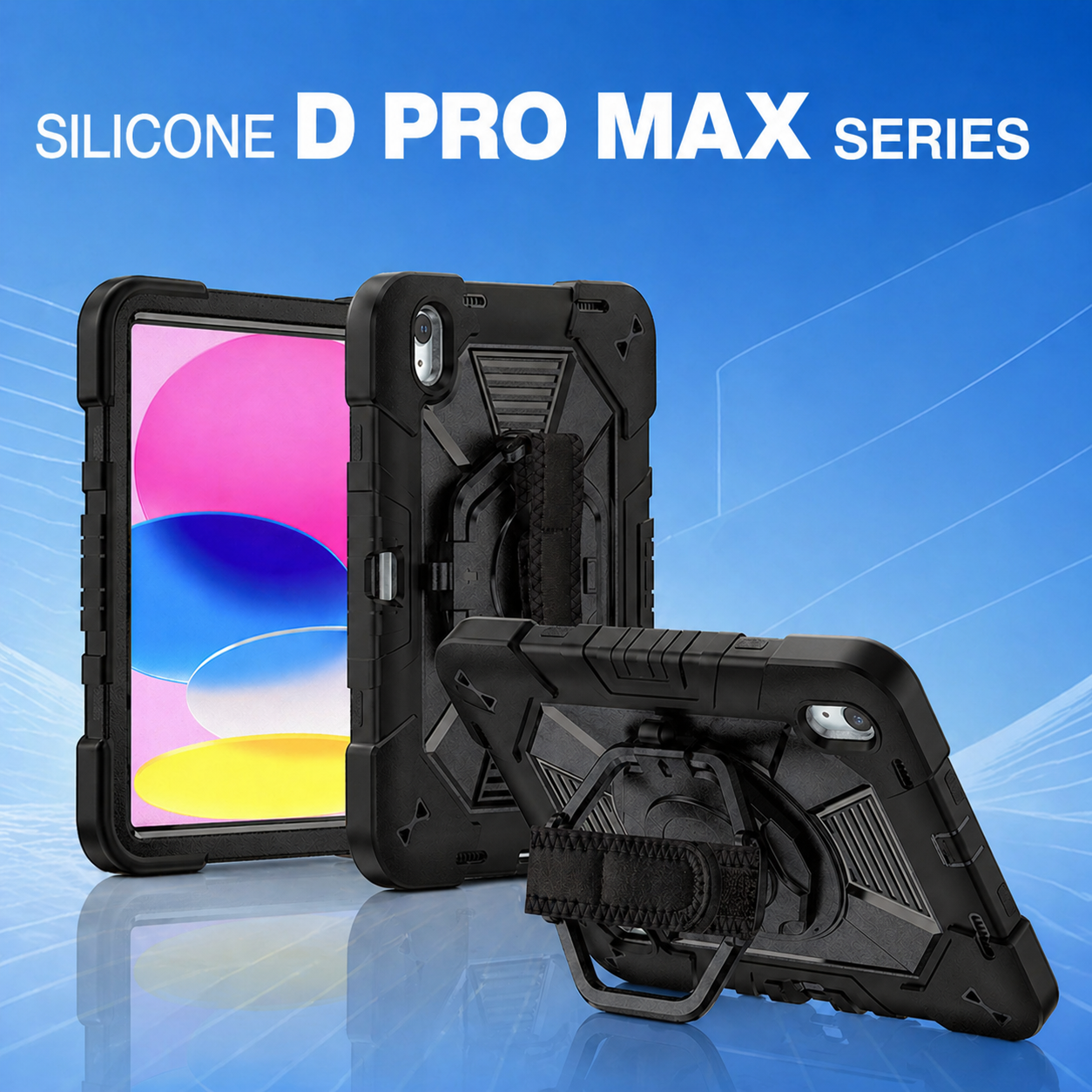
A kickstand should never weaken the protective structure. Logistics tablets are frequently dropped from carts, shelves, vehicle seats, and work benches. A heavy duty rugged Case should protect the device even when the stand is folded, opened, or repeatedly adjusted. The hinge area must be strong, the rear shell should resist bending, and the case should not become unstable after long-term daily use.
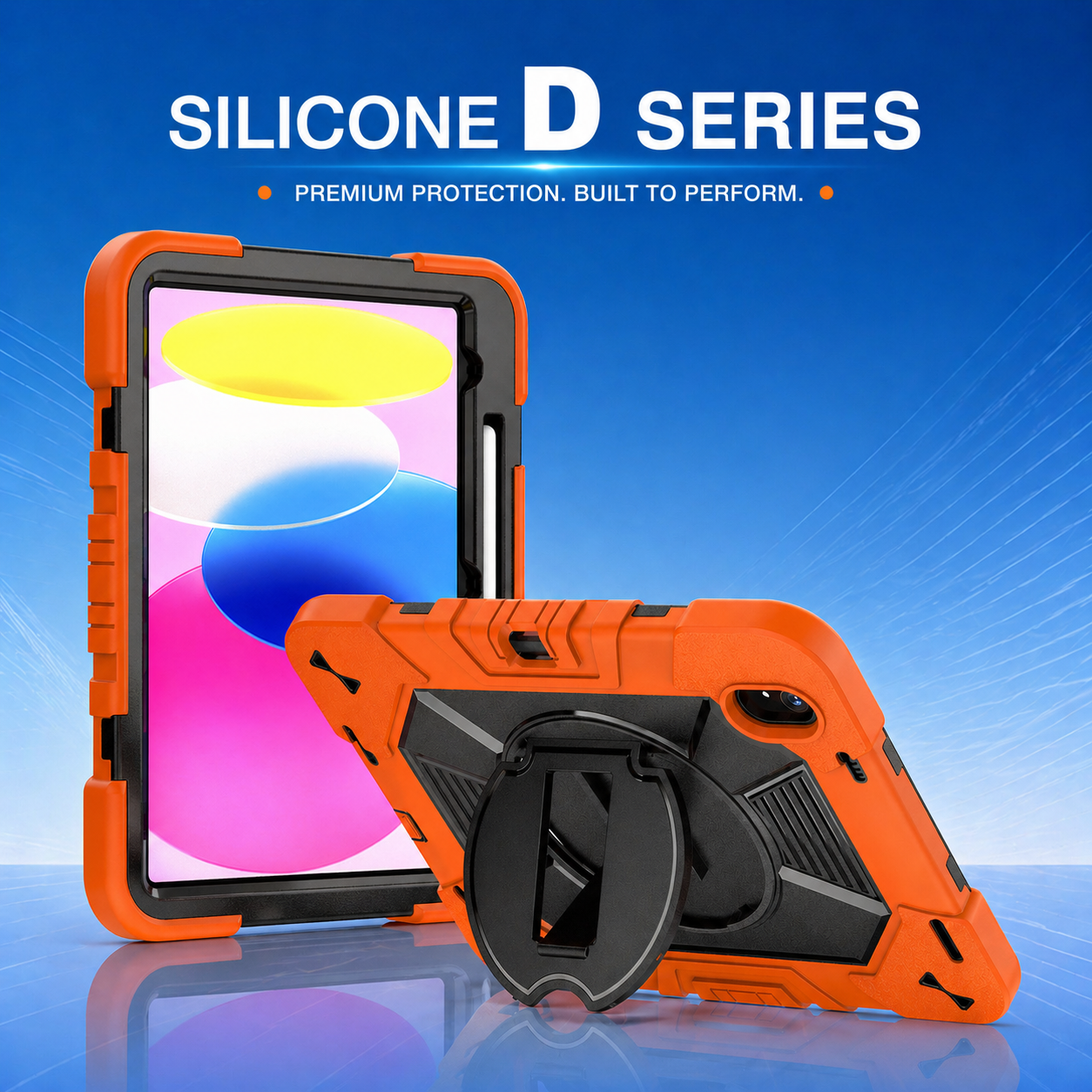
The best designs combine usability and protection. A heavy duty rugged Case usually includes reinforced corners, raised screen edges, firm outer structure, and textured grip. These features help prevent accidental slips while keeping the device protected during routine handoffs between drivers, warehouse workers, inspectors, and technicians. When a company standardizes a durable case design, the team can reduce accessory failure and keep the tablet fleet more consistent.
Material choice for long service life
Material selection influences how well the case handles vibration, impact, cleaning, and repeated handling. A TPU tablet case is often valued because TPU can provide flexibility, grip, and shock absorption. It can help cushion drops and create a more comfortable hand feel for workers who carry tablets throughout the shift. TPU edges can also improve anti-slip performance when tablets are used in fast-paced areas.
A TPU tablet case works especially well when paired with a firm structural layer or a reinforced rear shell. Flexible material alone may not be enough for heavy-duty tasks, but it can be an important shock-absorbing layer in a professional protective design. For companies choosing cases for logistics or field teams, the question should not be whether the case is thick; it should be whether the material system supports drops, grip, stand stability, port access, and everyday cleaning.
Device protection should also consider workflow compatibility. Workers need access to cameras for proof-of-service photos, speakers for alerts, microphones for communication, and charging ports for fast battery recovery. A case that blocks these functions can slow the team down. The right case preserves the tablet’s features while giving workers a better way to position and protect the device.
For logistics and field service operations, a stand-equipped protective case is a practical productivity accessory. It helps the tablet become a stable information hub instead of a fragile object that must always be held. When the stand, protective frame, and shock-absorbing material work together, mobile teams can scan, inspect, document, and communicate more efficiently across demanding work sites.
Next related focus: TPU tablet case






.png)
+86 13422271740
.png)
info@tongmeitech.com
.png)
No. 34, Mashe Section, Guihe Road, Lishui Town, Foshan, Guangdong, China