- 1
- BLACKL
- TABLETAPPLE iPad Mini 8NEW iPad A16(2025) iPad 10.9" 10th (2022) iPad 10.2" (7th/8th/9th) iPad Air 13" (M2/M3/M4)(2024/2025/2026)NEW iPad Air 11" (M2/M3/M4)(2024/2025/2026)NEW iPad Mini 8.3" (A7 Pro/6th Gen) iPad Pro13"(M4/M5)(2024/2025) iPad Pro11"(M4/M5)(2026) iPad 9.7" (5th/6th Gen) iPad Pro 12.9"(2018-2022) iPad Pro 11"(2018-2022) iPad 9.7"(2th/3th/4th) iPad Air 10.9"(4th/5th Gen) iPad Mini 7.9"(4th/5th Gen)SAMSUNG Galaxy Tab A11 Galaxy Tab A11 Plus Galaxy Tab S11 Galaxy Tab S12 PlusNEW Galaxy Tab S12 UltraNEW Galaxy Tab A9+ Galaxy Tab A9 Galaxy Tab A8 Galaxy Tab A7 Galaxy Tab A7 Lite Galaxy Tab S11 Ultra/S10 Ultra/S9 Ultra/S8 Ultra Galaxy Tab S10+/S9+/S9 FE+ Galaxy Tab S10Lite/S10 FE/S9 FE/S9 Galaxy Tab S8+/S7+/S7 FE Galaxy Tab S8/S7 Galaxy Tab S6 lite Galaxy Tab A10.1 Galaxy Tab A8.4 Galaxy Tab A8.0 Galaxy Tab S10 FE+LENOVO iDea tab 11/Tab K11 Gen 2 /Xiaoxin Pad 11 2025 Lenovo Tab K9 (Tab One) 2025 Lenovo Tab M10 10.1"(2025) Lenovo Tab M10 Plus 10.6" (3rd Gen) Lenovo Tab M10 HD 10.1" (3rd Gen) Lenovo K10/M10 Plus 10.3" (2nd Gen) Lenovo Tab M10 HD 10.1" (2nd Gen)XIAOMI Redmi Pad 2 9.7 InchNEW Xiaomi Pad8/8Pro 11.2" Redmi Pad2/Pad2.4G Xiaomi Pad 6/6 Pro 11" Redmi Pad 10.61" Redmi Pad Se 11" Redmi pad Se 4G 8.7" Xiaomi Pad7/7 Pro 11.2" Redmi Pad Pro/Xiaomi Poco Pad/Redmi Pad2 Pro 12.1HUAWEI Huawei Matepad Se 10.4" Huawei Matepad 11" Huawei Matepad 11.5" Huawei Matepad SE 11" Huawei Matepad T8 8" Huawei Matepad T10 9.7"
- CATEGORIES
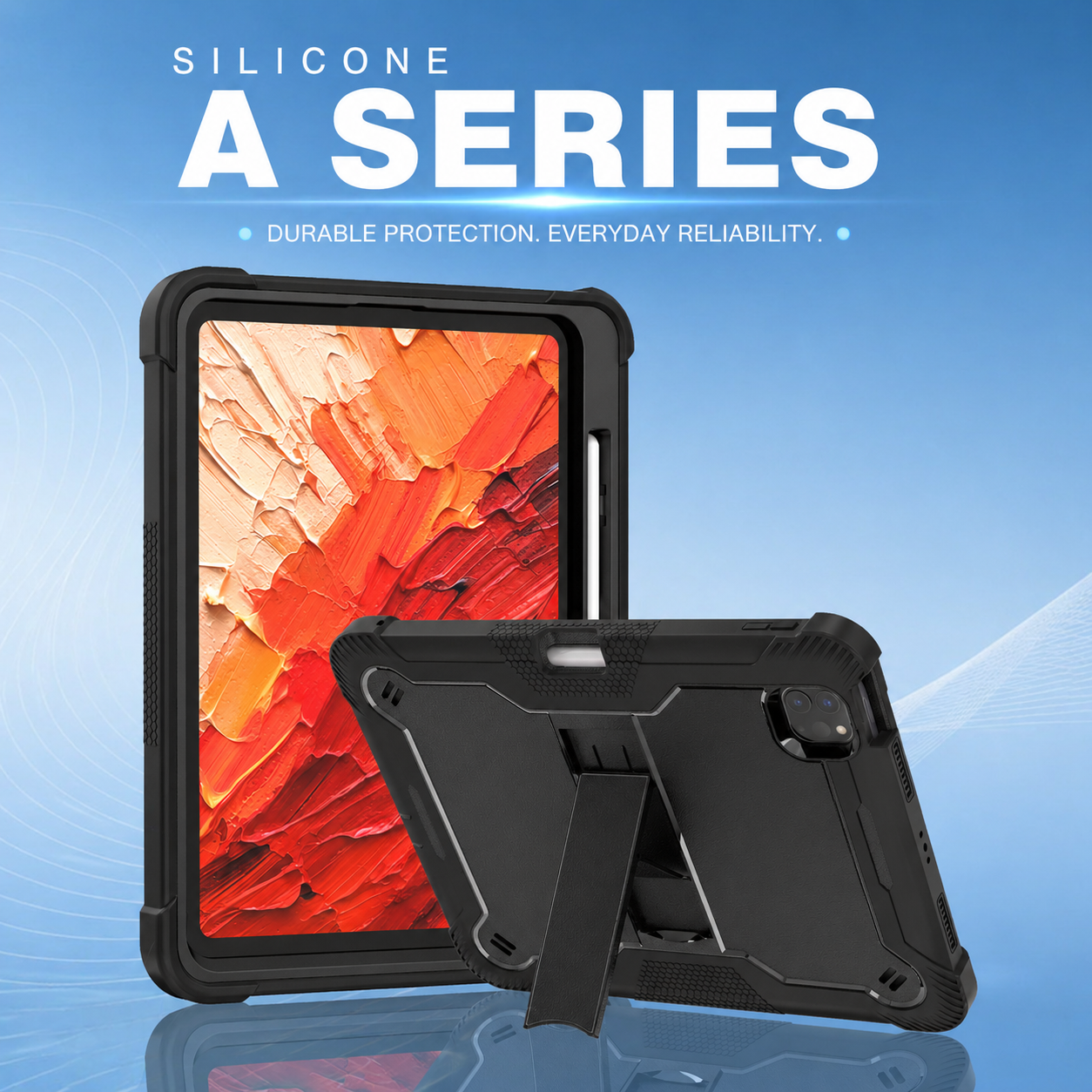
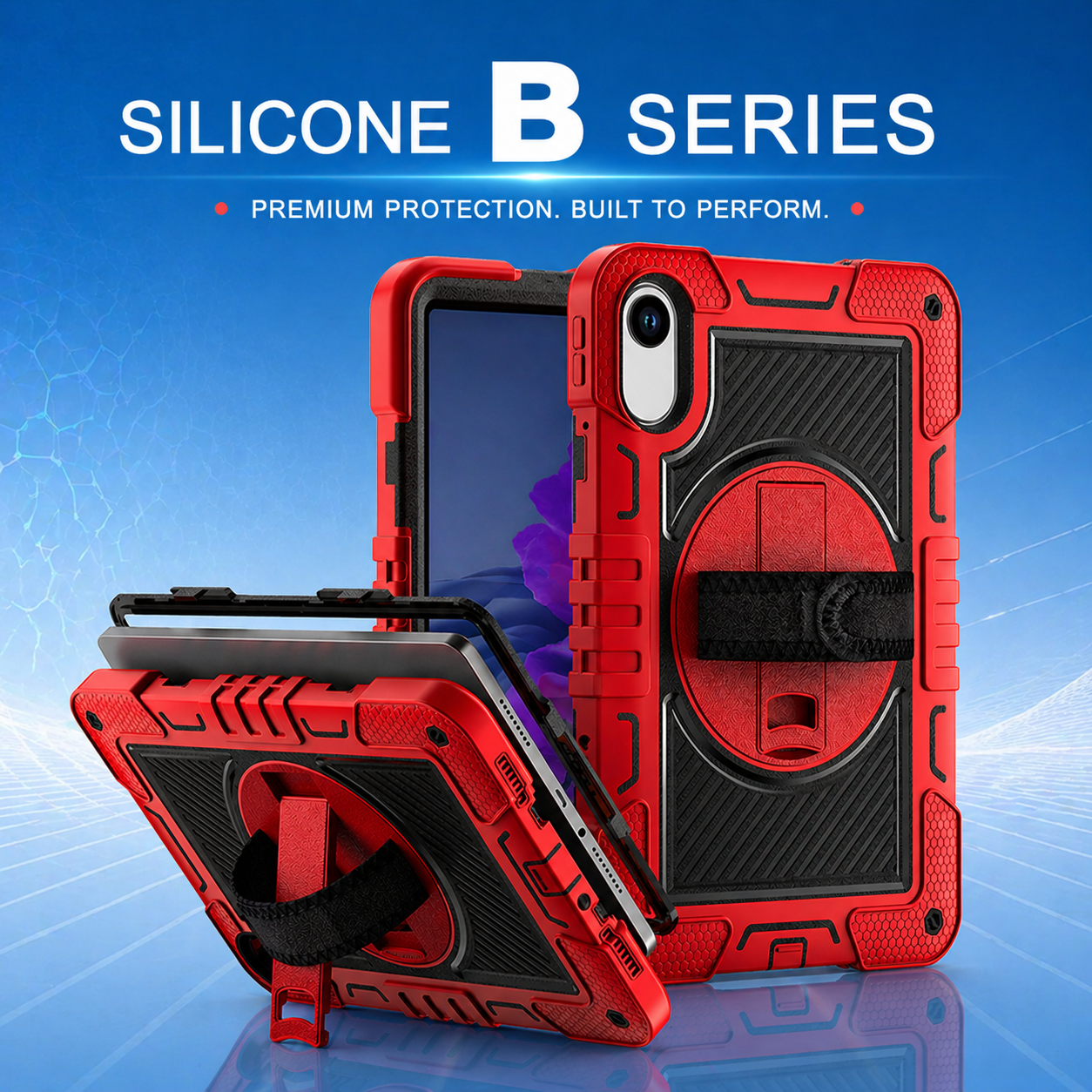


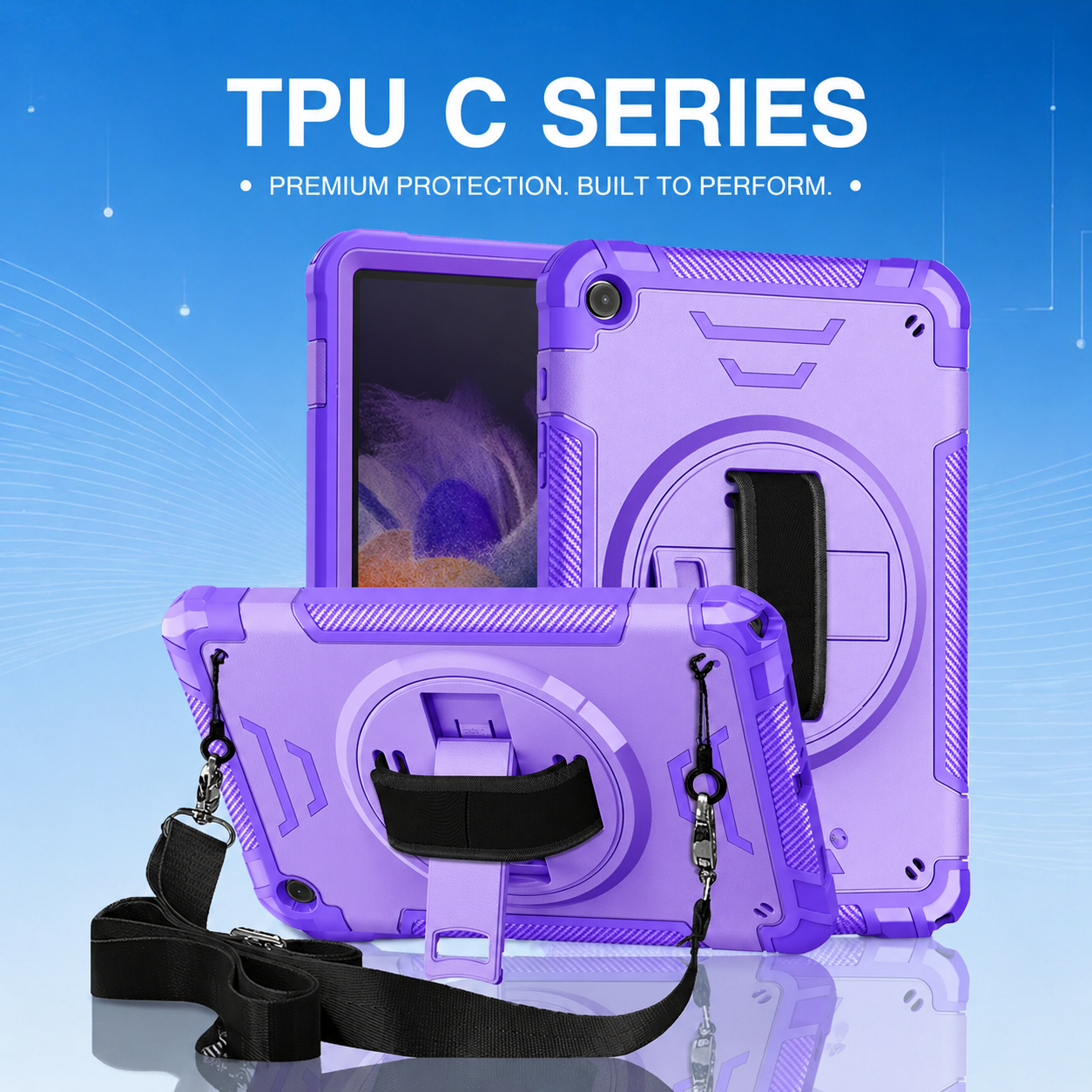
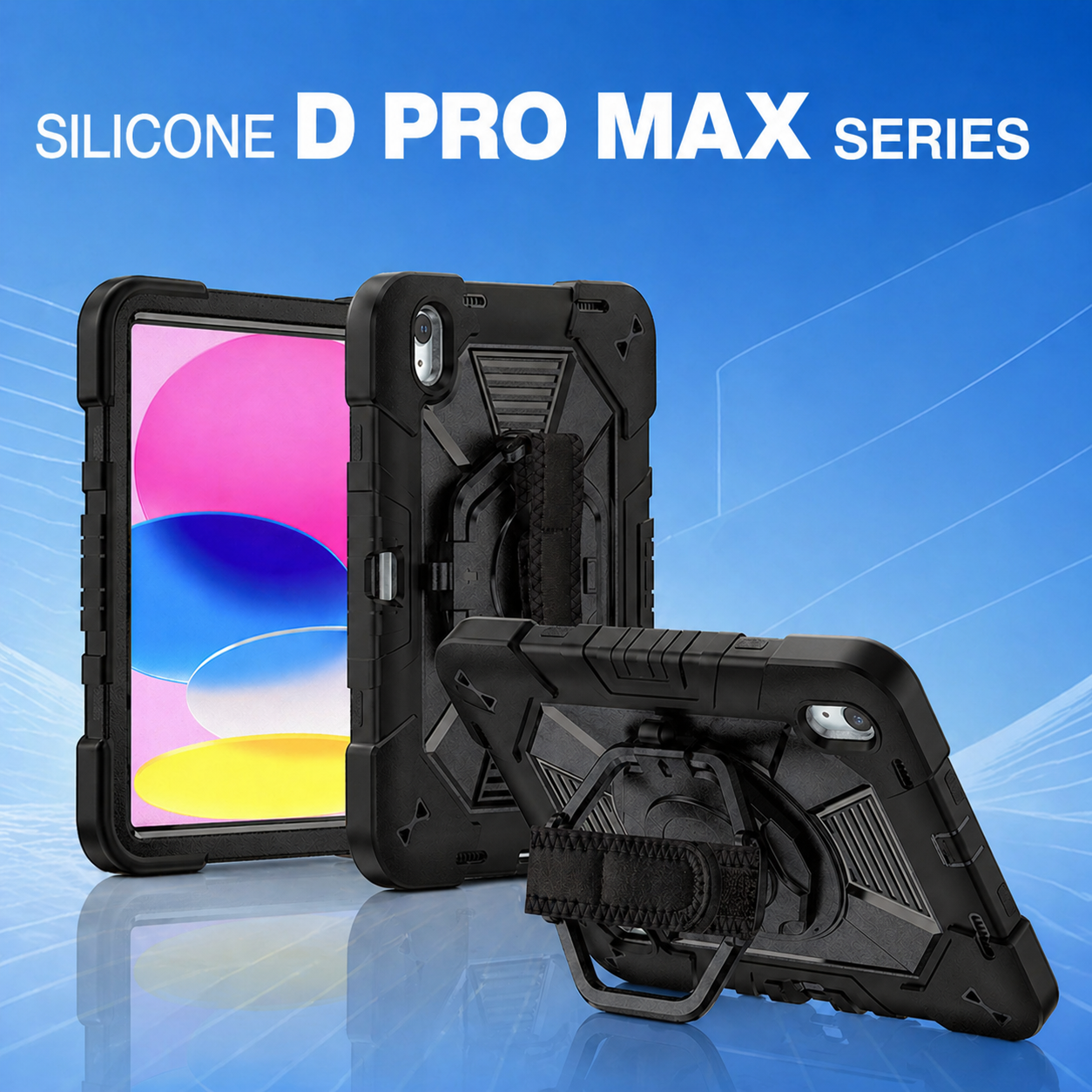

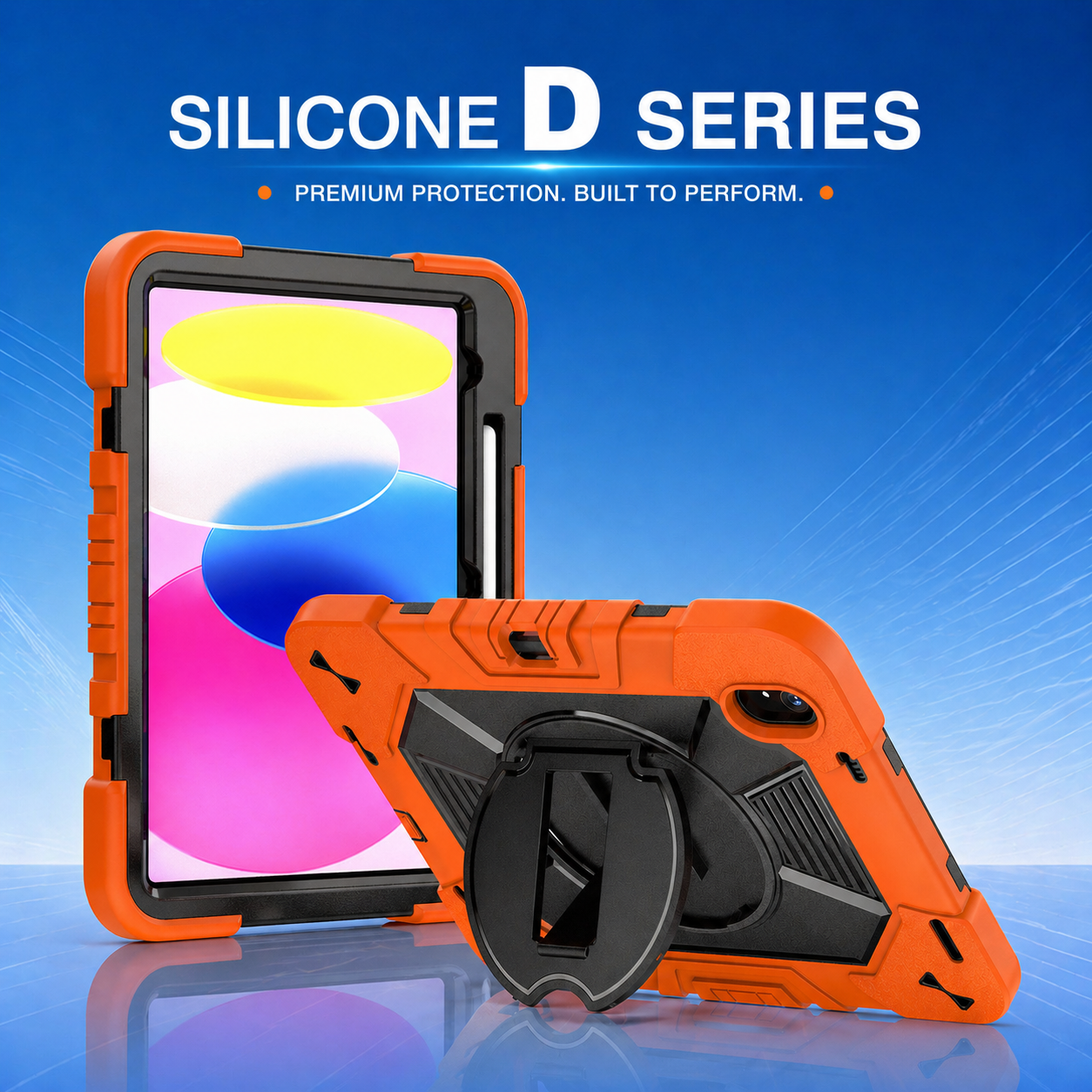

Rugged Tablet Case Usage in Logistics and Field Service: A Practical Protection Strategy
Logistics and field service teams depend on tablets for dispatching, barcode scanning, route confirmation, customer signatures, asset inspection, work orders, and real-time reporting. These devices move through warehouses, delivery trucks, loading docks, repair sites, retail back rooms, outdoor yards, and customer facilities. In these environments, a tablet is not simply a screen; it is a workflow terminal. When it falls, overheats, slips from a hand, or becomes difficult to position during work, productivity slows immediately. That is why a rugged tablet case has become a practical tool for companies that want stable mobile operations.
A logistics team usually handles tablets under pressure. Workers scan pallets, verify inventory, check routes, record exceptions, and communicate with supervisors while moving between shelves, vehicles, and dock doors. A full body protective tablet case helps reduce the risk of damage from everyday impact points such as corners, edges, ports, and the back shell. Instead of protecting only the rear panel, full coverage allows the device to survive repeated handling across different users and shifts. This matters because shared tablets often experience more wear than personal devices.
Field service adds another layer of difficulty. Technicians may carry tablets into mechanical rooms, construction areas, outdoor service calls, customer homes, utility sites, and industrial facilities. The tablet may sit on a toolbox, rest on a vehicle dashboard, hang from a hand strap, or be used while the worker is kneeling beside equipment. A well-designed rugged tablet case supports this movement by combining impact resistance with better grip, raised bezels, reinforced corners, and functional access to buttons, cameras, speakers, and charging ports.
Operational protection for mobile work
The first purose of protection is not only to prevent a broken screen. It is to keep the operation running. A damaged tablet can interrupt proof-of-delivery capture, service documentation, stock updates, inspection photos, and customer approvals. Even one failed device can delay a team if the company does not have spare units ready. A full body protective tablet case helps reduce downtime by turning a fragile consumer device into a more stable work tool suitable for repeated movement.
Good protection should also preserve usability. Some cases are thick but uncomfortable; others look slim but cannot handle repeated drops. Logistics and field service buyers should look for balanced construction: a firm outer layer for structure, a shock-absorbing interior for impact control, textured surfaces for grip, and raised edges around the screen and camera. These details make the tablet easier to hold when the worker is wearing gloves, carrying packages, or working near machinery.
Positioning and hands-free efficiency
In many logistics tasks, a tablet must be viewed while both hands are needed for packages, tools, labels, or inspection equipment. A multi angle kickstand tablet case supports this need by allowing the device to stand on a desk, cart, counter, vehicle surface, or workbench. Adjustable viewing angles make it easier to read dispatch instructions, compare part numbers, enter data, or review service photos without holding the tablet continuously.
For supervisors, a multi angle kickstand tablet case can also improve quick team meetings. The device can be placed on a table to show route changes, inventory dashboards, safety checklists, or maintenance schedules. For drivers, the stand can help during parked workflow moments, such as confirming deliveries or reviewing route notes. The case becomes more than protection; it becomes a positioning accessory that supports faster task completion.
Choosing the right case for the environment
Companies should match case design to work intensity. A warehouse may prioritize drop protection and grip. Delivery teams may need hand straps, shoulder straps, and easy camera access. Field technicians may need a screen-friendly design, sealed port covers, reinforced corners, and stable stand functions. A procurement team should also consider cleaning requirements, branding, device model compatibility, replacement cycle, and how the case affects charging docks or mounted use.
A rugged tablet case works best when it supports the whole workflow: carrying, scanning, standing, charging, cleaning, storing, and handing off between users. For organizations managing dozens or hundreds of devices, consistent case selection can make training easier and reduce accessory confusion. Workers know where the stand is, how the hand strap rotates, how the ports open, and how the tablet should be carried safely.
In logistics and field service, tablet protection is a productivity decision. The right case helps companies reduce damage risk, support mobile workers, improve handling comfort, and maintain stable digital workflows in demanding locations. When protection, ergonomics, and positioning work together, tablets become more reliable tools for the people who keep goods and services moving.
Next related focus: multi angle kickstand tablet case






.png)
+86 13422271740
.png)
info@tongmeitech.com
.png)
No. 34, Mashe Section, Guihe Road, Lishui Town, Foshan, Guangdong, China