- 1
- BLACKL
- TABLETAPPLE iPad Mini 8NEW iPad A16(2025) iPad 10.9" 10th (2022) iPad 10.2" (7th/8th/9th) iPad Air 13" (M2/M3/M4)(2024/2025/2026)NEW iPad Air 11" (M2/M3/M4)(2024/2025/2026)NEW iPad Mini 8.3" (A7 Pro/6th Gen) iPad Pro13"(M4/M5)(2024/2025) iPad Pro11"(M4/M5)(2026) iPad 9.7" (5th/6th Gen) iPad Pro 12.9"(2018-2022) iPad Pro 11"(2018-2022) iPad 9.7"(2th/3th/4th) iPad Air 10.9"(4th/5th Gen) iPad Mini 7.9"(4th/5th Gen)SAMSUNG Galaxy Tab A11 Galaxy Tab A11 Plus Galaxy Tab S11 Galaxy Tab S12 PlusNEW Galaxy Tab S12 UltraNEW Galaxy Tab A9+ Galaxy Tab A9 Galaxy Tab A8 Galaxy Tab A7 Galaxy Tab A7 Lite Galaxy Tab S11 Ultra/S10 Ultra/S9 Ultra/S8 Ultra Galaxy Tab S10+/S9+/S9 FE+ Galaxy Tab S10Lite/S10 FE/S9 FE/S9 Galaxy Tab S8+/S7+/S7 FE Galaxy Tab S8/S7 Galaxy Tab S6 lite Galaxy Tab A10.1 Galaxy Tab A8.4 Galaxy Tab A8.0 Galaxy Tab S10 FE+LENOVO iDea tab 11/Tab K11 Gen 2 /Xiaoxin Pad 11 2025 Lenovo Tab K9 (Tab One) 2025 Lenovo Tab M10 10.1"(2025) Lenovo Tab M10 Plus 10.6" (3rd Gen) Lenovo Tab M10 HD 10.1" (3rd Gen) Lenovo K10/M10 Plus 10.3" (2nd Gen) Lenovo Tab M10 HD 10.1" (2nd Gen)XIAOMI Redmi Pad 2 9.7 InchNEW Xiaomi Pad8/8Pro 11.2" Redmi Pad2/Pad2.4G Xiaomi Pad 6/6 Pro 11" Redmi Pad 10.61" Redmi Pad Se 11" Redmi pad Se 4G 8.7" Xiaomi Pad7/7 Pro 11.2" Redmi Pad Pro/Xiaomi Poco Pad/Redmi Pad2 Pro 12.1HUAWEI Huawei Matepad Se 10.4" Huawei Matepad 11" Huawei Matepad 11.5" Huawei Matepad SE 11" Huawei Matepad T8 8" Huawei Matepad T10 9.7"
- CATEGORIES
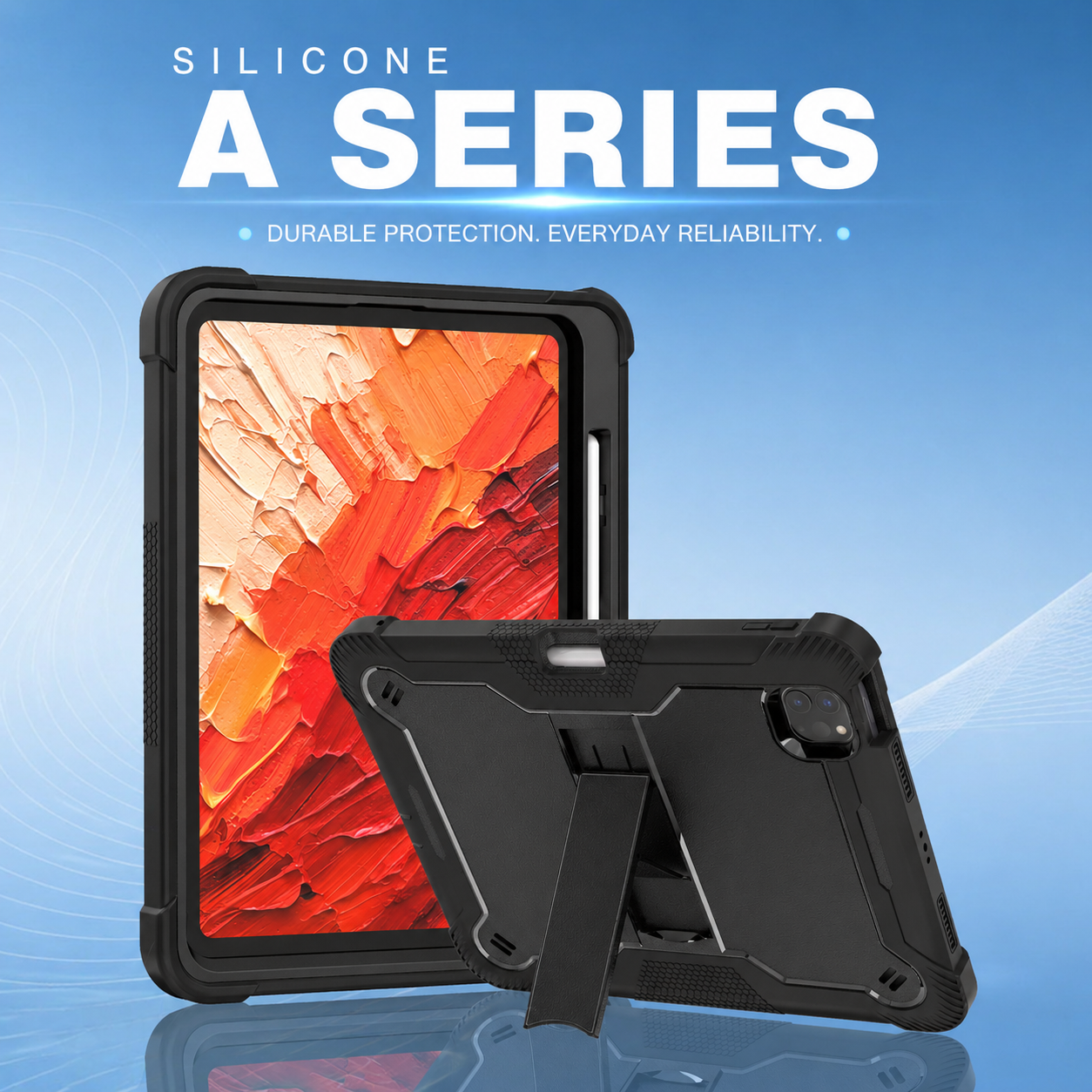
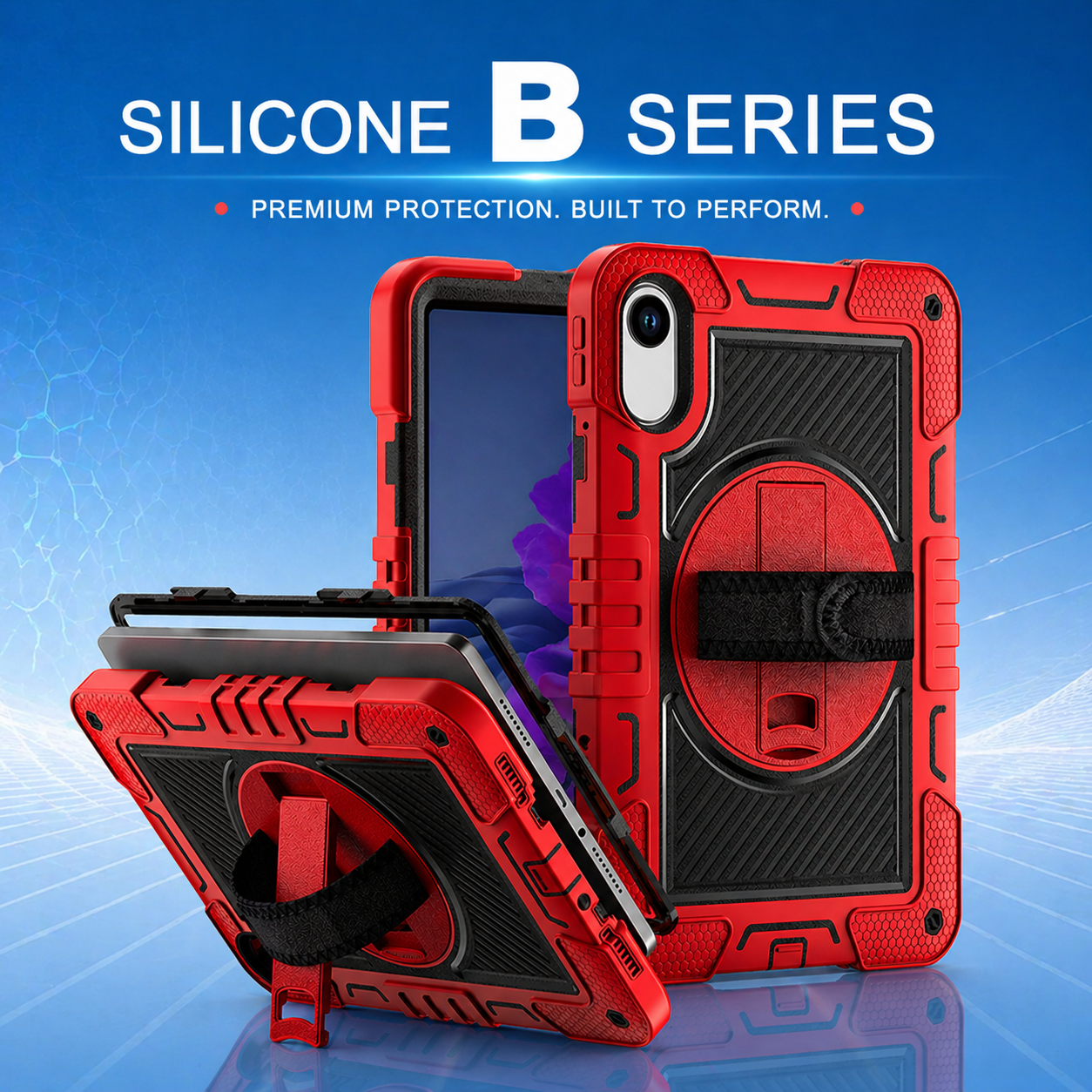
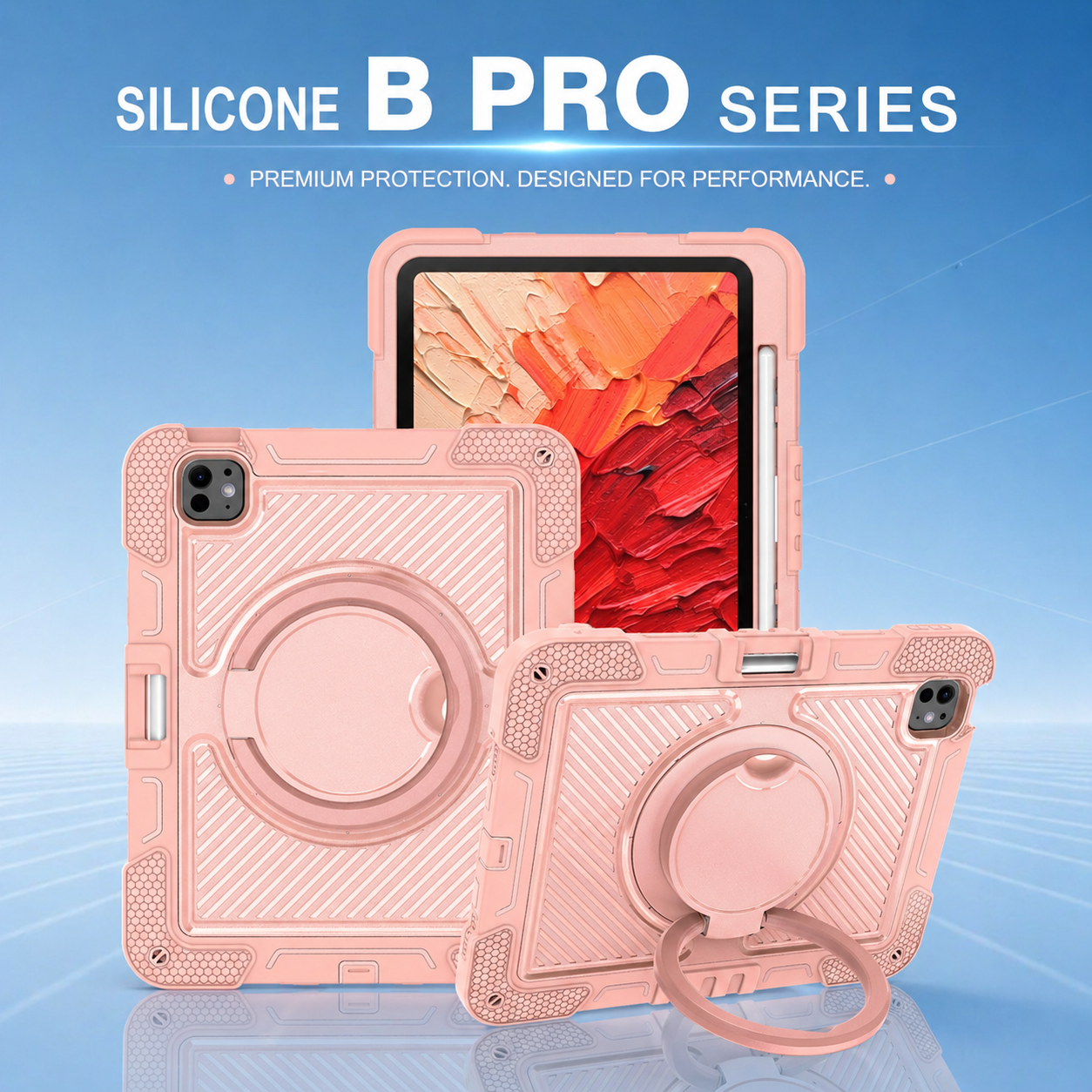
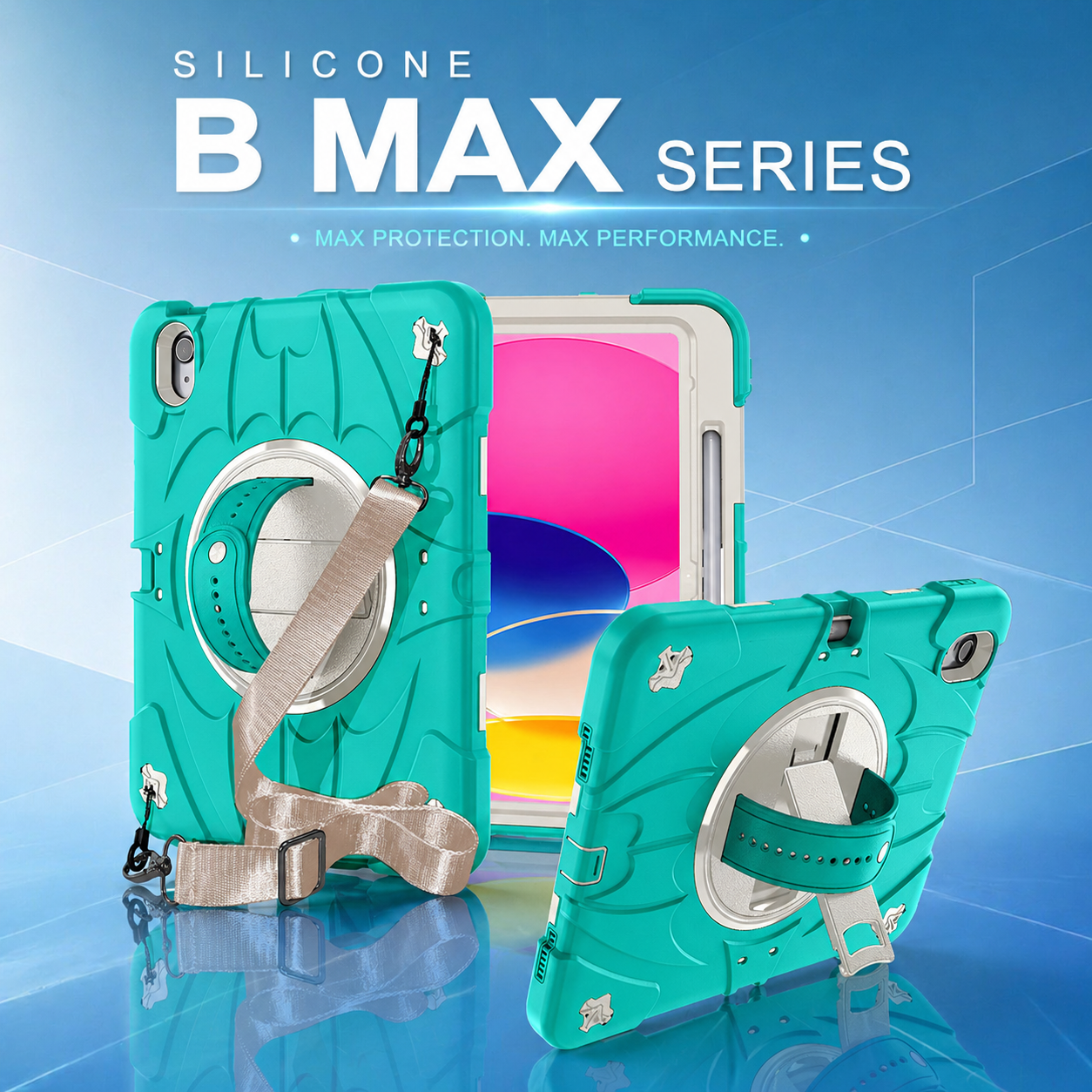

Why Tablet Case Materials Matter for Logistics and Field Service Protection
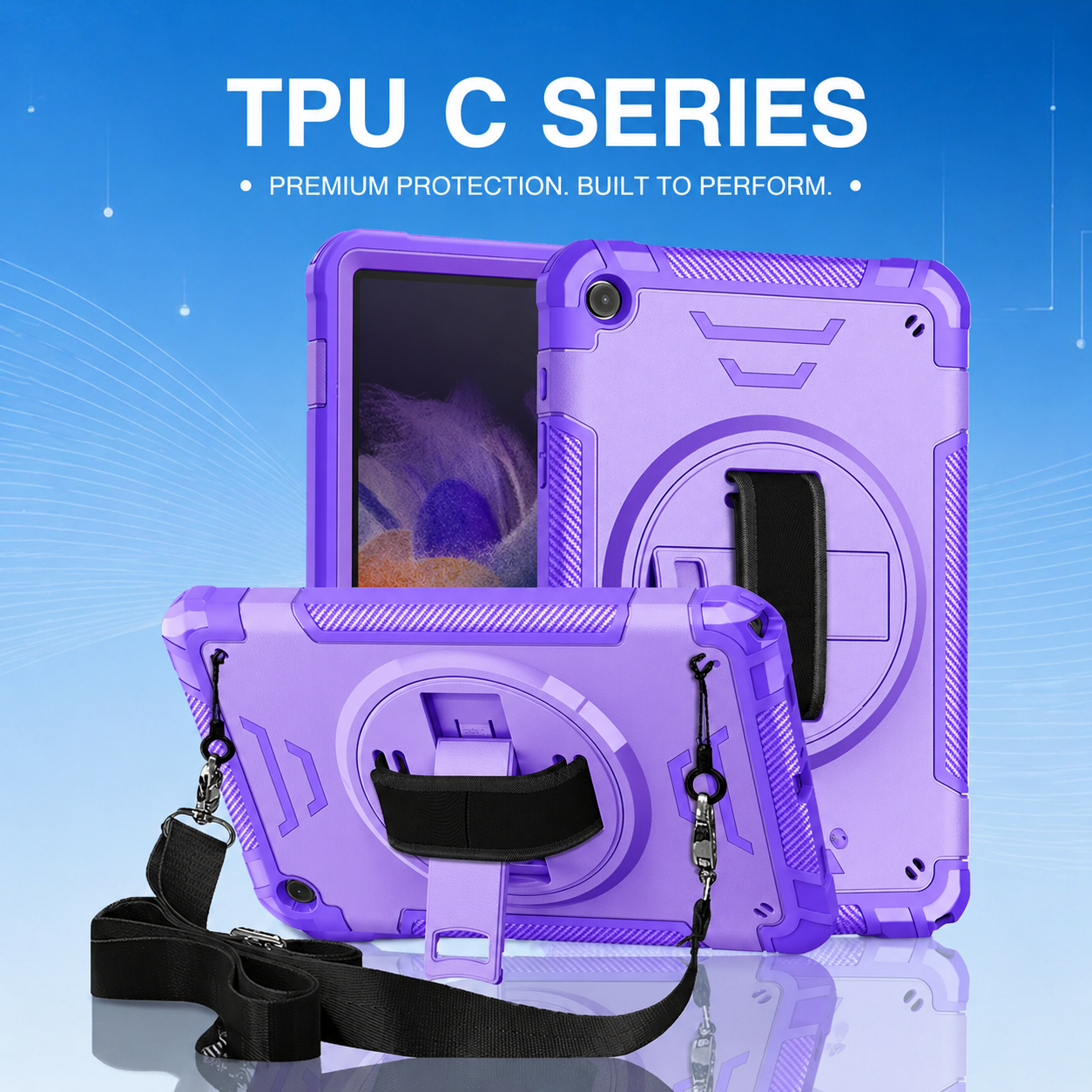
Material choice is one of the most important factors in tablet protection. A case may look rugged from the outside, but its real performance depends on how the layers handle impact, grip, pressure, vibration, and daily cleaning. Logistics and field service teams use tablets in active conditions, so the case must protect the device while still allowing workers to scan, type, photograph, charge, and carry it comfortably. A TPU tablet case is often considered for these environments because flexible TPU can absorb shock and improve the feel of the device in the hand.
In a warehouse, tablets ma
y be placed on shelves, carts, packing stations, forklifts, and receiving counters. In field service, tablets may travel in vans, tool bags, outdoor sites, mechanical rooms, and customer locations. These areas expose devices to bumps, dust, hard surfaces, and repeated handling. A TPU tablet case can help reduce slip risk because the material usually offers better grip than a smooth hard shell. That grip is valuable when workers are wearing gloves or moving quickly between tasks.
Flexible shock absorption
TPU is useful because it can flex under impact and then return to shape. This makes it suitable for corners and edges, where tablets often hit the ground first. A TPU tablet case can also create a softer perimeter around the screen, buttons, and rear panel. For shared enterprise devices, this can reduce visible wear and help extend the service life of the tablet fleet.
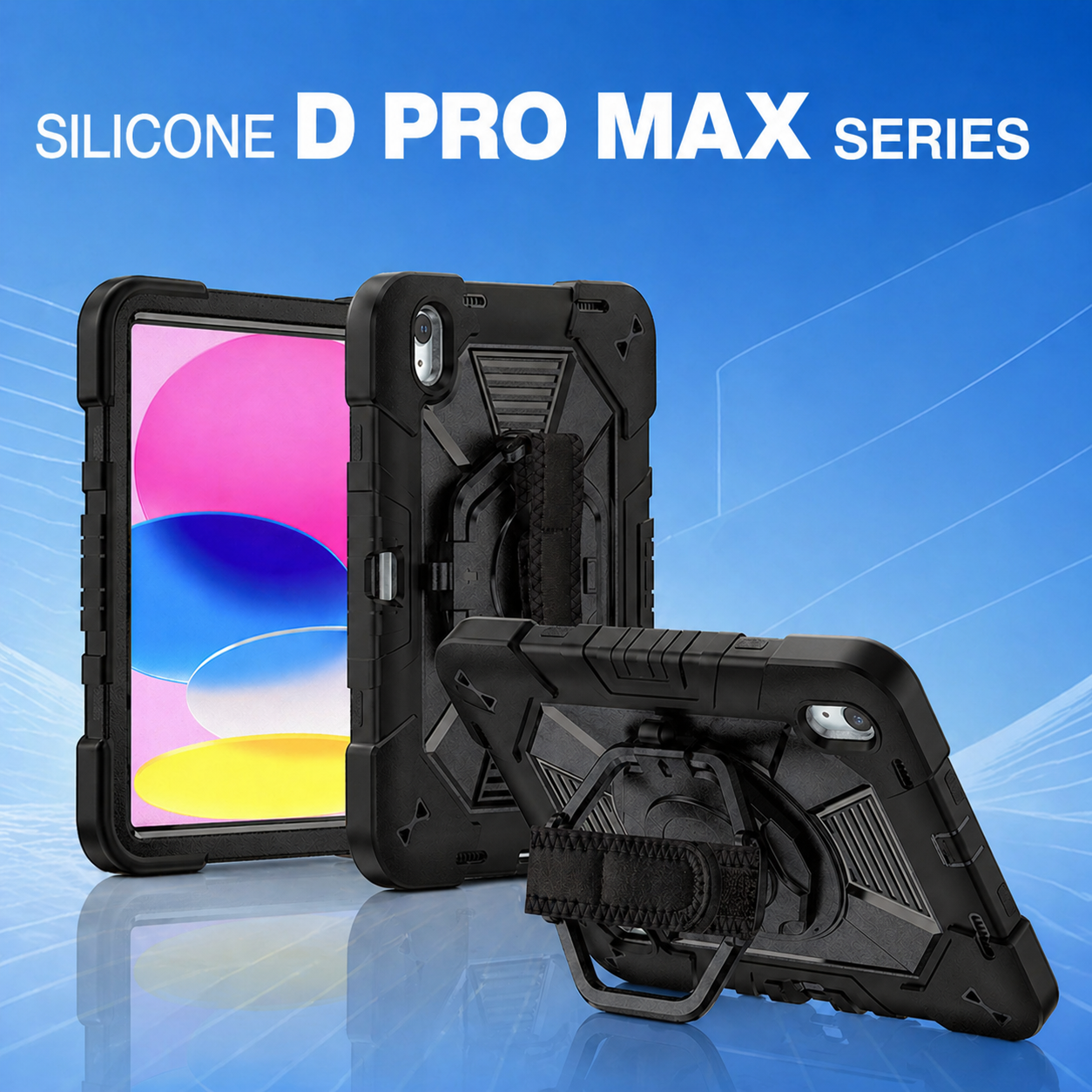
However, flexible material alone is not always enough. Logistics and field service devices need structure as well as cushioning. A case that is too soft may twist, loosen, or offer limited support during heavier impacts. This is where combined material designs become important. A PC+Silicone tablet case can use a rigid PC layer for shape and a silicone layer for cushioning, creating a stronger balance between firmness and shock control.
Rigid support and soft cushioning
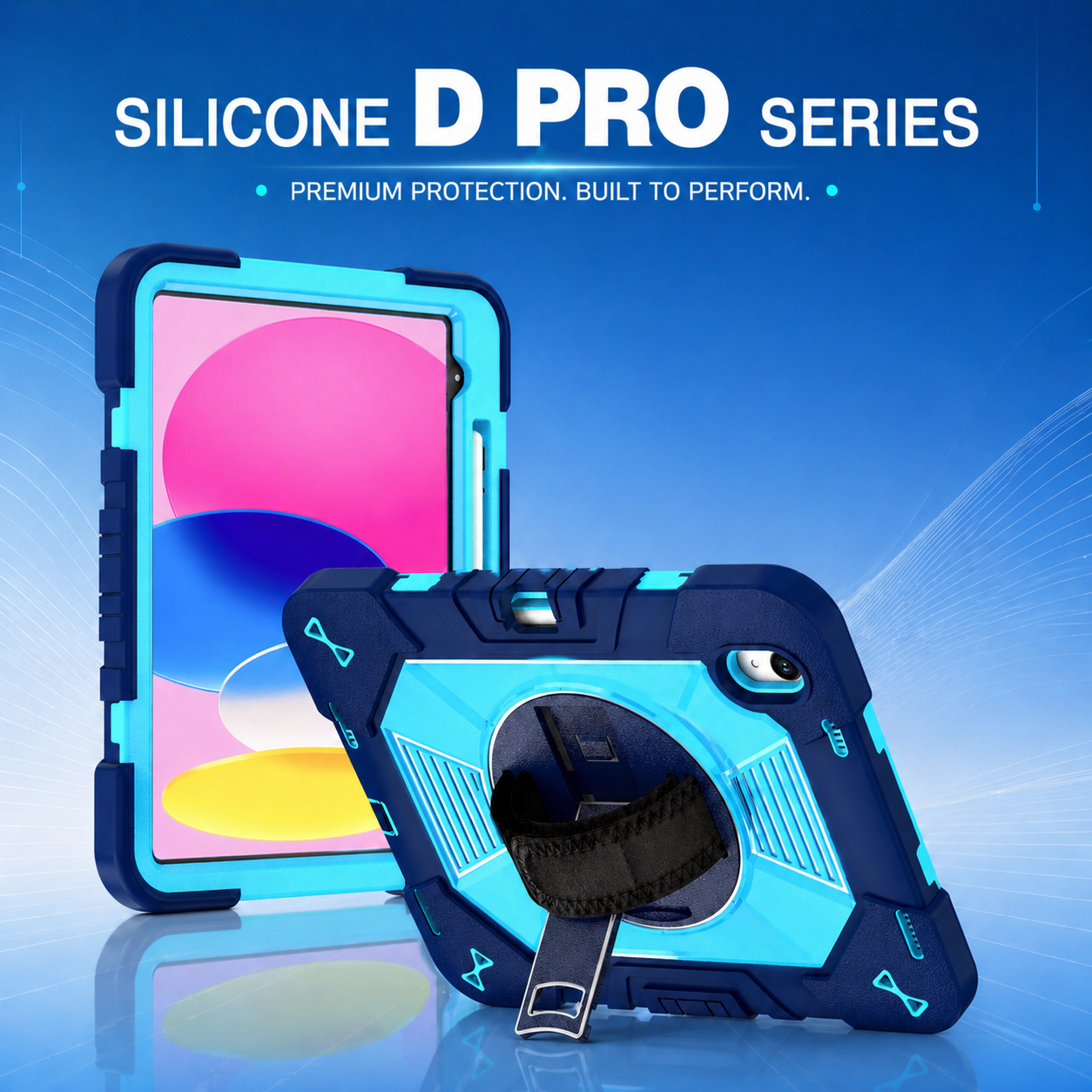
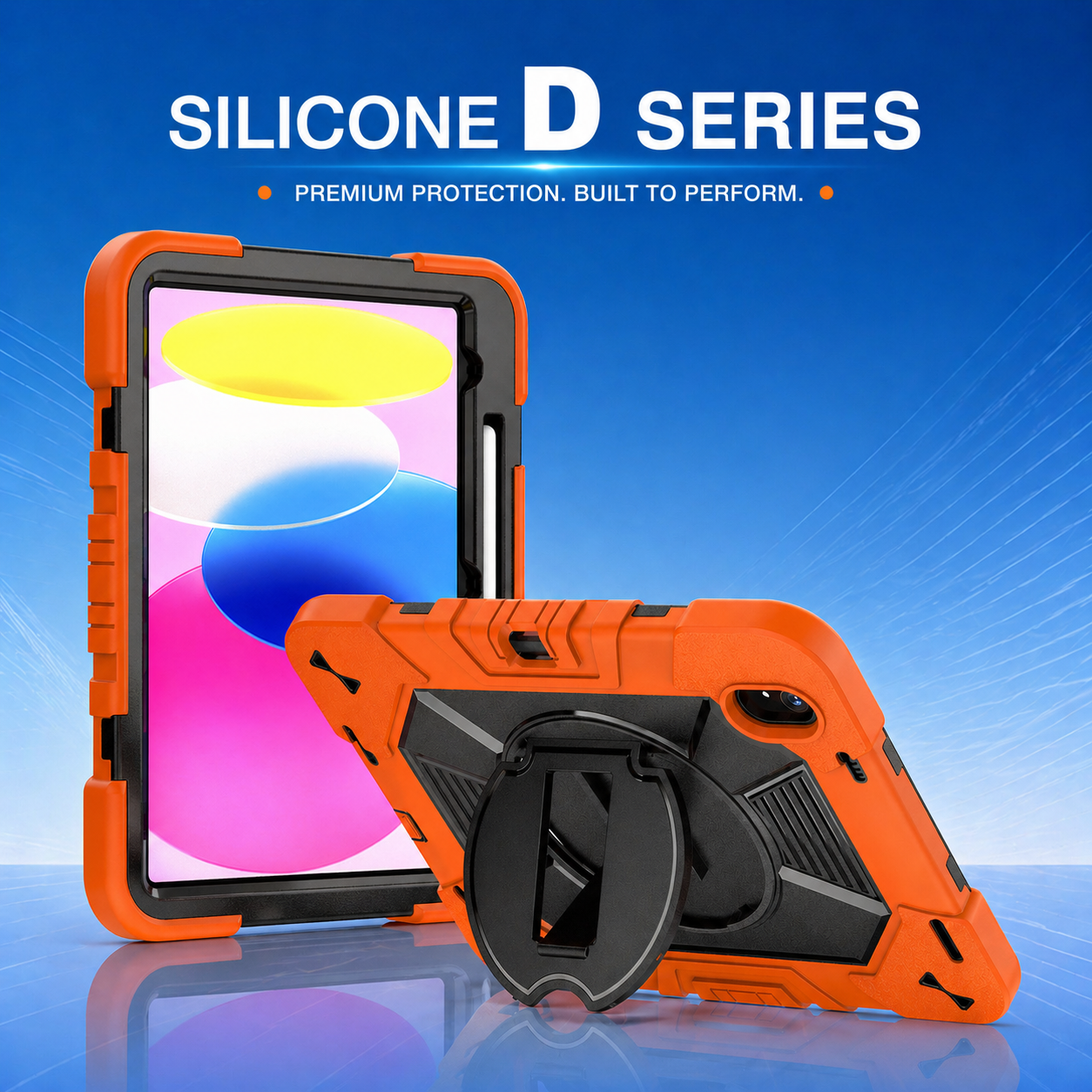
PC, or polycarbonate, is valued for hardness and structural support. Silicone is valued for flexibility, grip, and impact absorption. When combined in a PC+Silicone tablet case, the case can protect against both direct impact and repeated surface contact. This type of construction is useful for field teams because tablets may be used beside tools, vehicle interiors, industrial equipment, and uneven outdoor surfaces.
A PC+Silicone tablet case can also support more complex accessories such as hand straps, shoulder straps, kickstands, and reinforced corners. These features matter in real work conditions. Drivers need to carry tablets safely during deliveries. Maintenance technicians need to position the device while they work. Warehouse staff need protection that does not interfere with scanning or quick data entry. The material system should support the entire workflow, not only the drop test.
Protection for iPad-based operations
Many companies choose iPads for mobile work because they are familiar, powerful, and easy to deploy. But consumer tablets need added protection when used in delivery, inspection, education, or technical service. A shockproof iPad tablet case helps create a safer working setup by surrounding the device with impact-absorbing materials, raised bezels, and reinforced corners. This is especially important for teams that use iPads across many users and shifts.
A shockproof iPad tablet case should protect without blocking the camera, microphone, speaker, charging port, or buttons. Proof-of-delivery photos, inspection images, barcode scanning, video communication, and customer signatures all depend on clear access to tablet functions. If the protective structure makes the device hard to use, workers may remove the case or handle the tablet carelessly. The best design makes protection feel natural.
Material selection should also consider cleaning and maintenance. Logistics and field teams often handle tablets with dusty gloves, oily hands, packing residue, or outdoor debris. Smooth surfaces may be easier to wipe, while textured grips may improve safety during movement. Buyers should look for materials that can handle routine cleaning without becoming sticky, loose, or discolored too quickly.
For enterprises, consistent material quality can reduce replacement costs and simplify device management. A reliable case design helps protect the tablet, supports accessories, improves grip, and keeps mobile workers connected to their digital workflows. The right choice is not about choosing the thickest case; it is about selecting a material structure that matches the actual working environment.
Next related focus: PC+Silicone tablet case






.png)
+86 13422271740
.png)
info@tongmeitech.com
.png)
No. 34, Mashe Section, Guihe Road, Lishui Town, Foshan, Guangdong, China