- 1
- BLACKL
- TABLETAPPLE iPad Mini 8NEW iPad A16(2025) iPad 10.9" 10th (2022) iPad 10.2" (7th/8th/9th) iPad Air 13" (M2/M3/M4)(2024/2025/2026)NEW iPad Air 11" (M2/M3/M4)(2024/2025/2026)NEW iPad Mini 8.3" (A7 Pro/6th Gen) iPad Pro13"(M4/M5)(2024/2025) iPad Pro11"(M4/M5)(2026) iPad 9.7" (5th/6th Gen) iPad Pro 12.9"(2018-2022) iPad Pro 11"(2018-2022) iPad 9.7"(2th/3th/4th) iPad Air 10.9"(4th/5th Gen) iPad Mini 7.9"(4th/5th Gen)SAMSUNG Galaxy Tab A11 Galaxy Tab A11 Plus Galaxy Tab S11 Galaxy Tab S12 PlusNEW Galaxy Tab S12 UltraNEW Galaxy Tab A9+ Galaxy Tab A9 Galaxy Tab A8 Galaxy Tab A7 Galaxy Tab A7 Lite Galaxy Tab S11 Ultra/S10 Ultra/S9 Ultra/S8 Ultra Galaxy Tab S10+/S9+/S9 FE+ Galaxy Tab S10Lite/S10 FE/S9 FE/S9 Galaxy Tab S8+/S7+/S7 FE Galaxy Tab S8/S7 Galaxy Tab S6 lite Galaxy Tab A10.1 Galaxy Tab A8.4 Galaxy Tab A8.0 Galaxy Tab S10 FE+LENOVO iDea tab 11/Tab K11 Gen 2 /Xiaoxin Pad 11 2025 Lenovo Tab K9 (Tab One) 2025 Lenovo Tab M10 10.1"(2025) Lenovo Tab M10 Plus 10.6" (3rd Gen) Lenovo Tab M10 HD 10.1" (3rd Gen) Lenovo K10/M10 Plus 10.3" (2nd Gen) Lenovo Tab M10 HD 10.1" (2nd Gen)XIAOMI Redmi Pad 2 9.7 InchNEW Xiaomi Pad8/8Pro 11.2" Redmi Pad2/Pad2.4G Xiaomi Pad 6/6 Pro 11" Redmi Pad 10.61" Redmi Pad Se 11" Redmi pad Se 4G 8.7" Xiaomi Pad7/7 Pro 11.2" Redmi Pad Pro/Xiaomi Poco Pad/Redmi Pad2 Pro 12.1HUAWEI Huawei Matepad Se 10.4" Huawei Matepad 11" Huawei Matepad 11.5" Huawei Matepad SE 11" Huawei Matepad T8 8" Huawei Matepad T10 9.7"
- CATEGORIES

How Drop Protection Reduces Healthcare Device Replacement Costs
Author: Alice
Healthcare organizations are investing heavily in mobile technology to improve patient care, streamline workflows, and support digital transformation initiatives. Tablets have become an essential tool for nurses, physicians, therapists, and administrative teams.
From patient rounds and electronic medical records to telemedicine and staff training, mobile devices are now deeply integrated into daily healthcare operations.
However, as tablet deployment expands, healthcare organizations face a growing challenge: device damage caused by accidental drops.
While many organizations focus on the upfront cost of purchasing tablets, the long-term financial impact of device damage is often overlooked.
This is why selecting a professional rugged tablet case has become an important strategy for reducing operational expenses and improving device longevity.
The Hidden Cost of Tablet Damage
When healthcare leaders evaluate tablet deployments, they often focus on hardware procurement budgets.
However, the true cost of a damaged device extends far beyond the replacement price.
A single dropped tablet can create multiple layers of expense, including:
Hardware replacement costs
Repair service fees
IT support resources
Device reconfiguration time
Temporary workflow disruptions
Reduced staff productivity
Delayed access to patient information
In large healthcare systems with hundreds of deployed devices, these costs can quickly accumulate into tens or even hundreds of thousands of dollars annually.
As a result, preventing damage becomes a far more cost-effective strategy than managing repairs.
Why Healthcare Environments Create Higher Risk
Unlike traditional office settings, healthcare facilities present unique challenges for mobile device usage.
Healthcare professionals frequently:
Walk long distances throughout facilities
Carry equipment between departments
Enter patient data while standing
Work under time-sensitive conditions
Respond rapidly during emergencies
These conditions significantly increase the likelihood of accidental drops.
A nurse documenting patient information may accidentally lose grip while moving between rooms.
A physician reviewing records during rounds may place a tablet on a rolling workstation.
Medical staff often multitask while carrying supplies, medications, and mobile devices simultaneously.
Without adequate protection, even a minor fall can result in costly damage.
This is where a healthcare-focused rugged tablet case becomes essential.
Understanding Impact Damage
Most tablet failures occur in predictable ways.
The most vulnerable areas include:
Corners
Corner impacts concentrate force into a small area and frequently cause structural damage.
Screen Edges
Drops that affect the edge of the display can lead to cracked screens and touch-function failures.
Rear Housing
Repeated impacts can weaken internal components and reduce overall device lifespan.
Internal Hardware
Even when external damage appears minimal, internal components may suffer hidden failures.
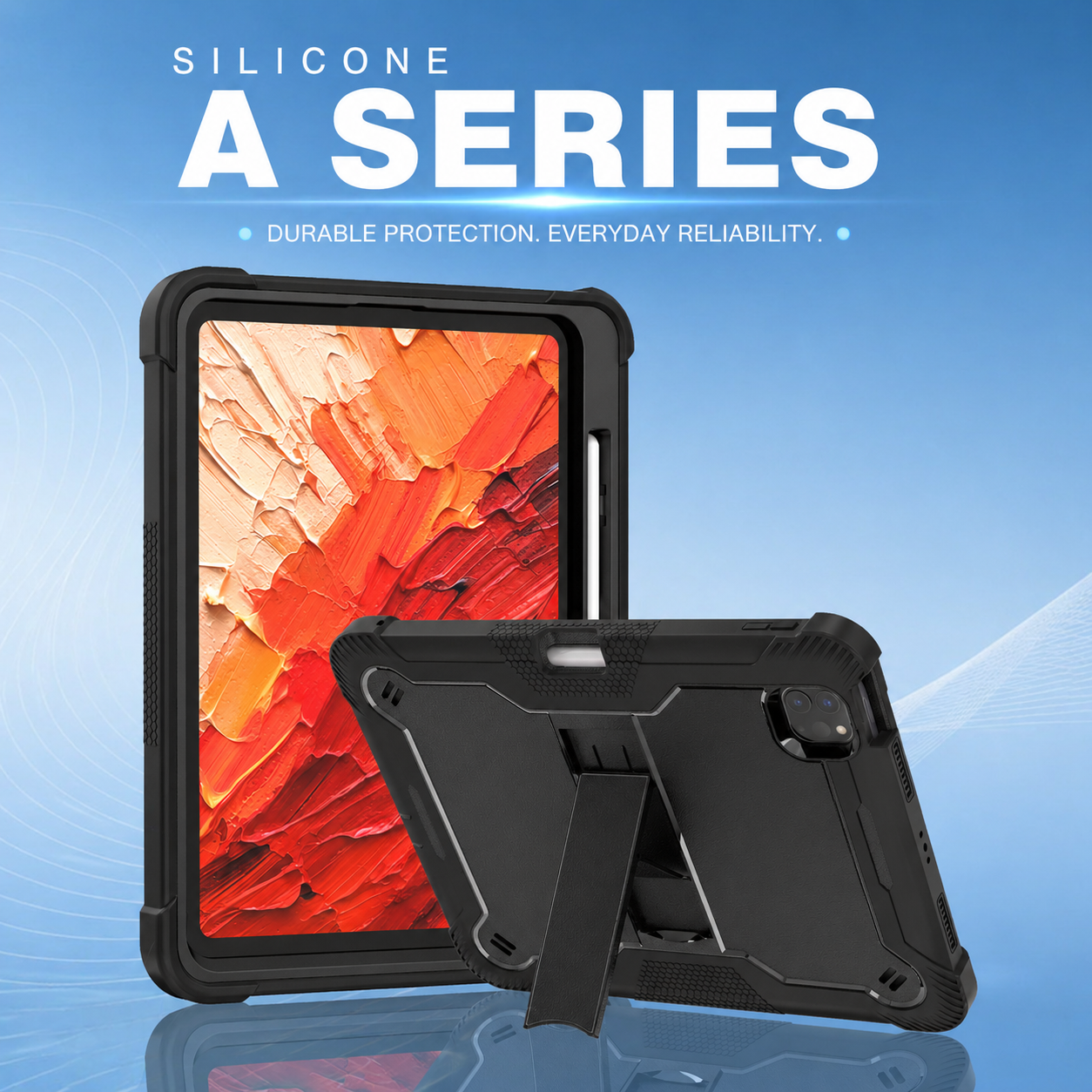
A properly engineered rugged tablet case is designed to absorb and distribute impact forces before they reach sensitive device components.
How Rugged Tablet Cases Reduce Damage
Modern healthcare-grade protection systems utilize multiple layers of defense.
Reinforced Corners
Shock-absorbing corner structures help dissipate impact energy during accidental drops.
Multi-Layer Construction
Combining rigid outer shells with softer internal materials improves overall impact resistance.
Raised Screen Protection
Elevated bezels help prevent direct contact between the screen and hard surfaces.
Enhanced Grip Features
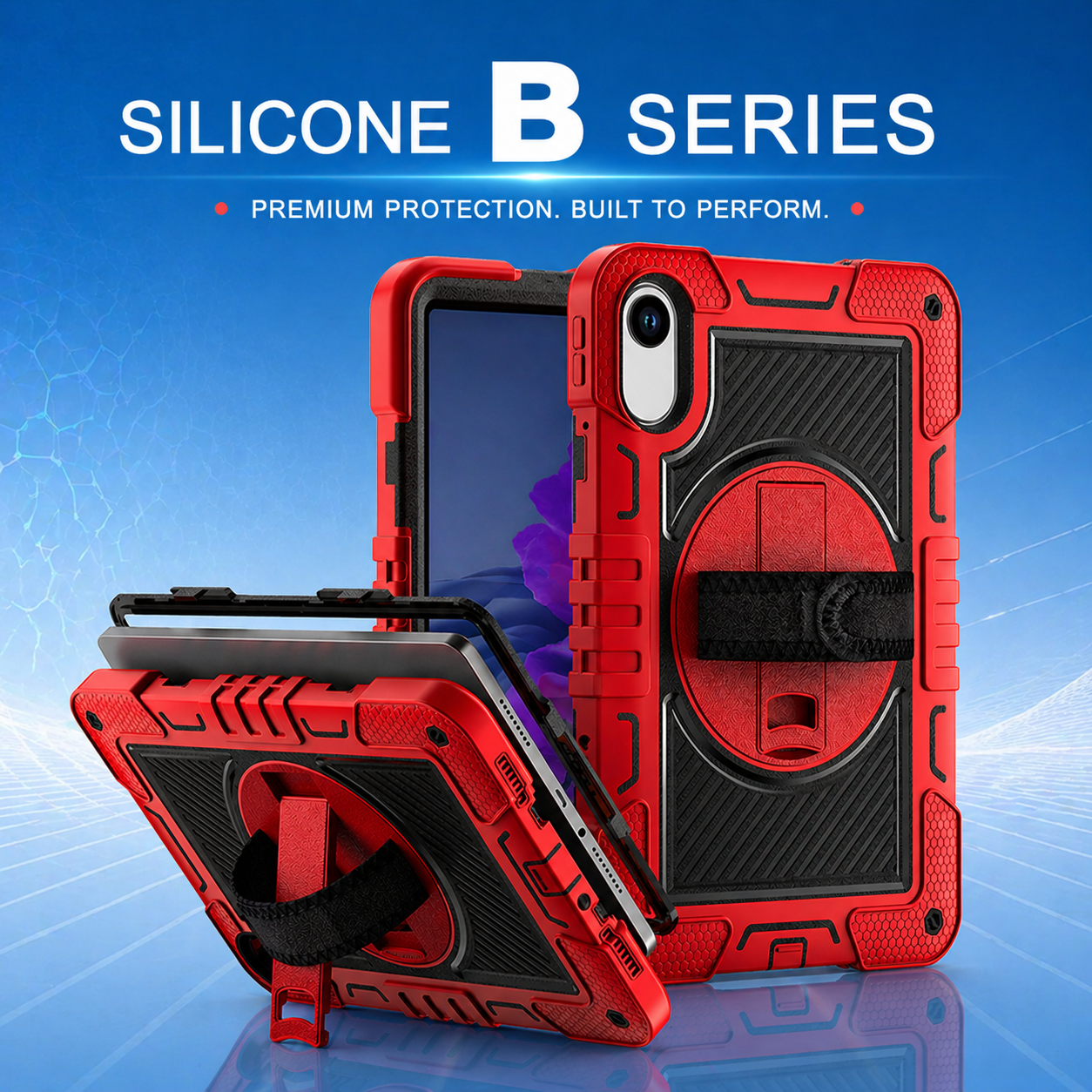
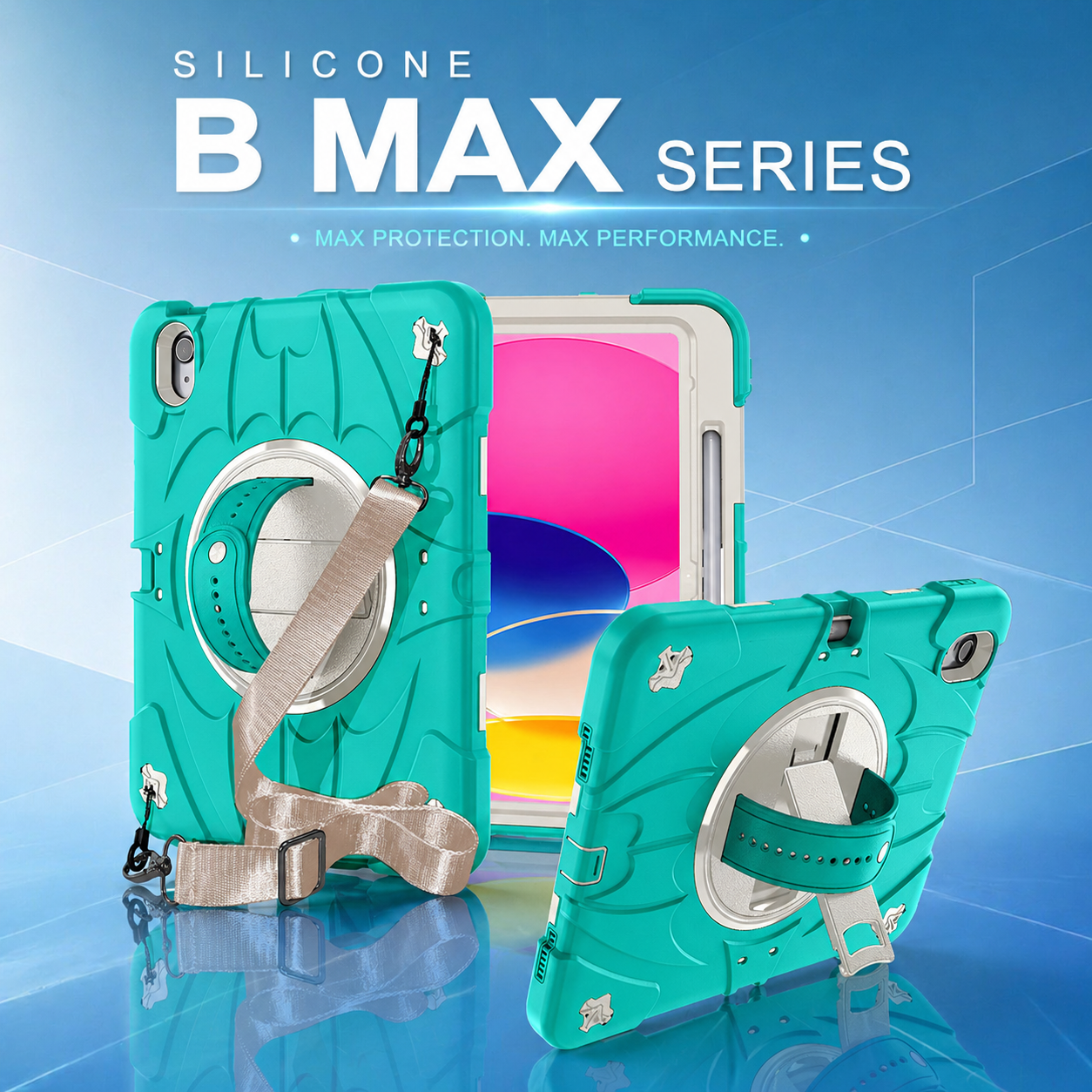
Integrated hand straps and textured surfaces reduce the likelihood of accidental drops occurring in the first place.
Secure Accessory Integration
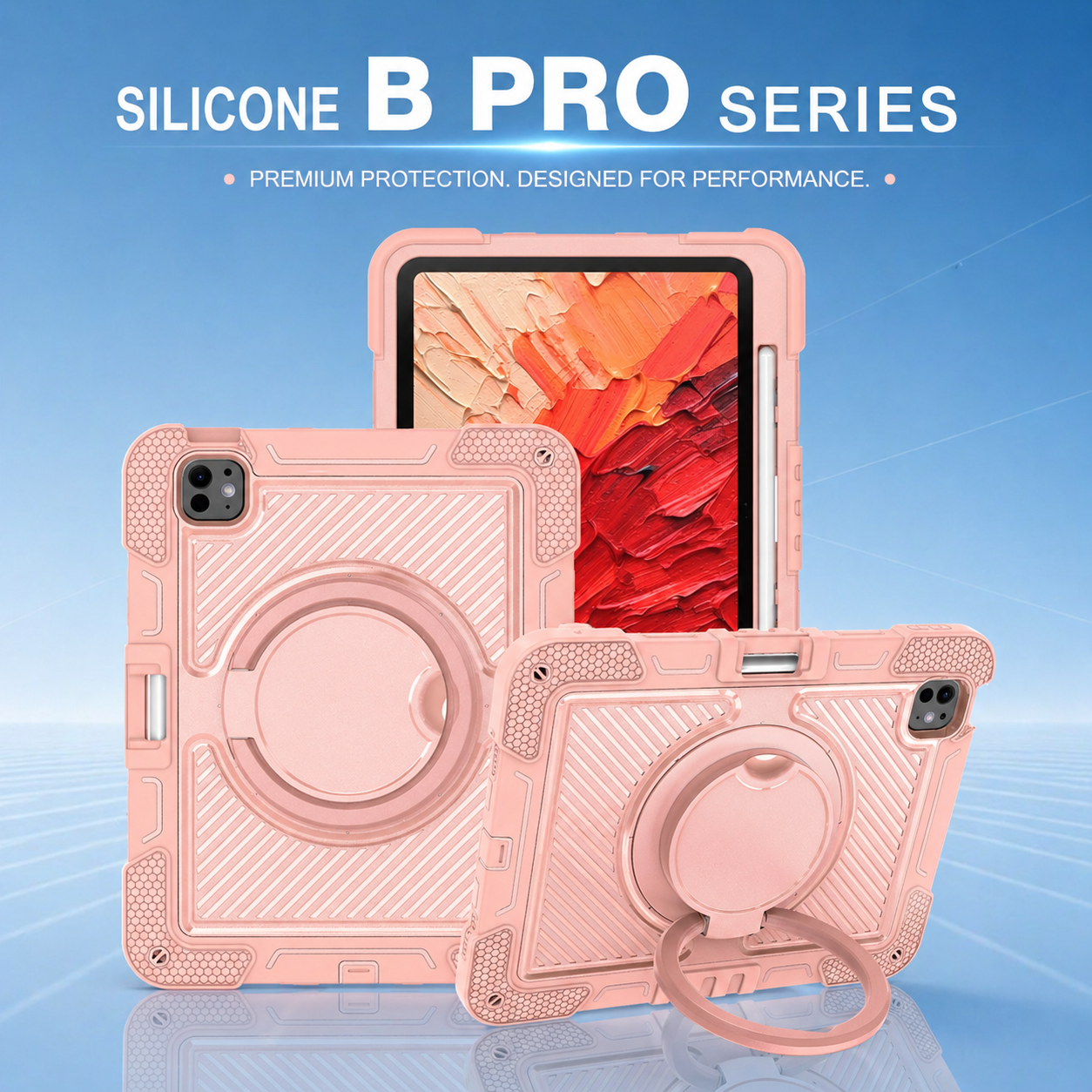
Built-in stands and carrying systems improve handling while minimizing user fatigue.
Together, these features transform a standard tablet into a more durable healthcare tool.
Real-World Example from a Texas Healthcare Group
A healthcare organization in Texas recently deployed hundreds of iPads across multiple clinics and care facilities.
Before implementing a specialized protection solution, the organization experienced frequent device damage.
Common issues included:
Tablets slipping during patient rounds
Cracked screens
Broken corners
Frequent repair requests
Growing replacement budgets
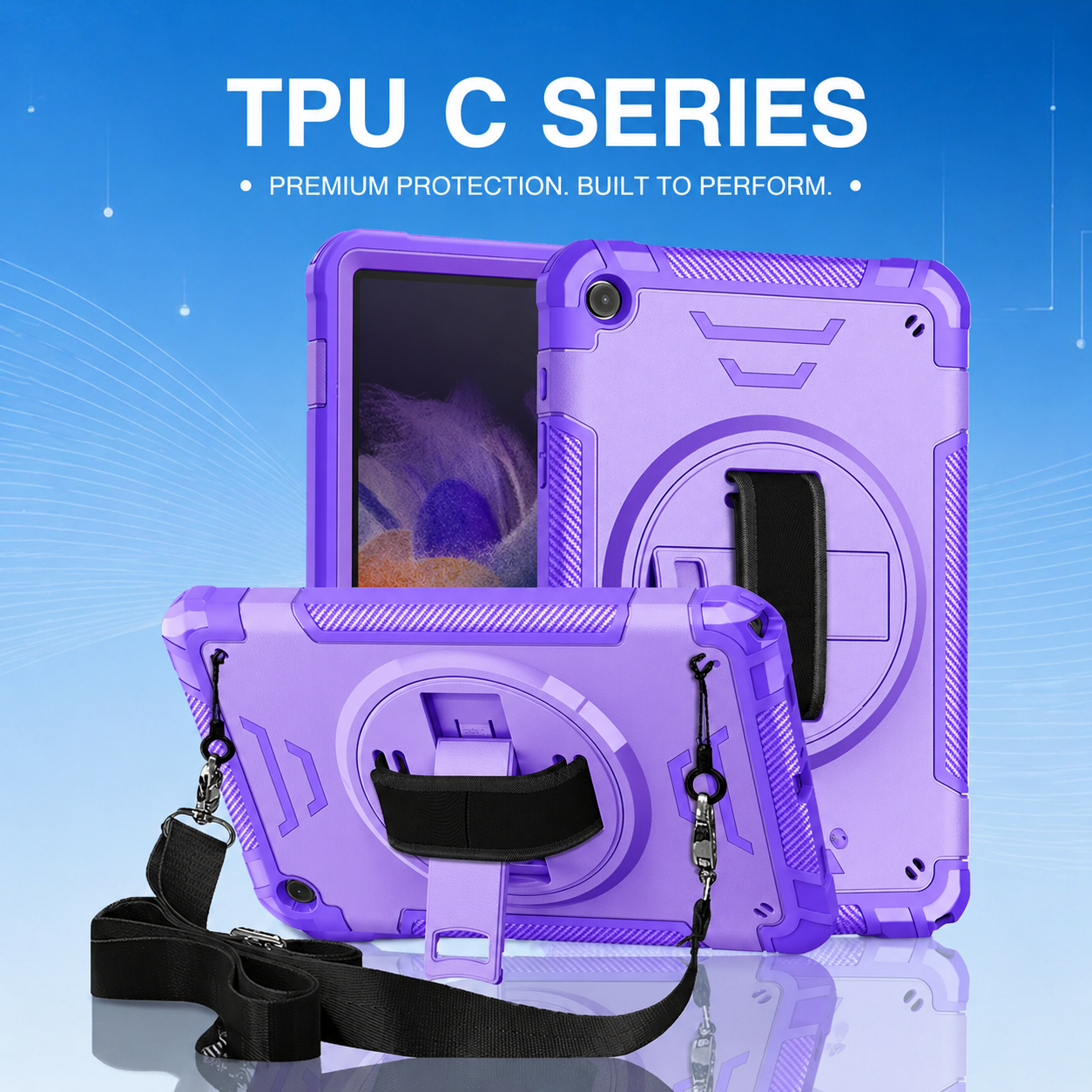
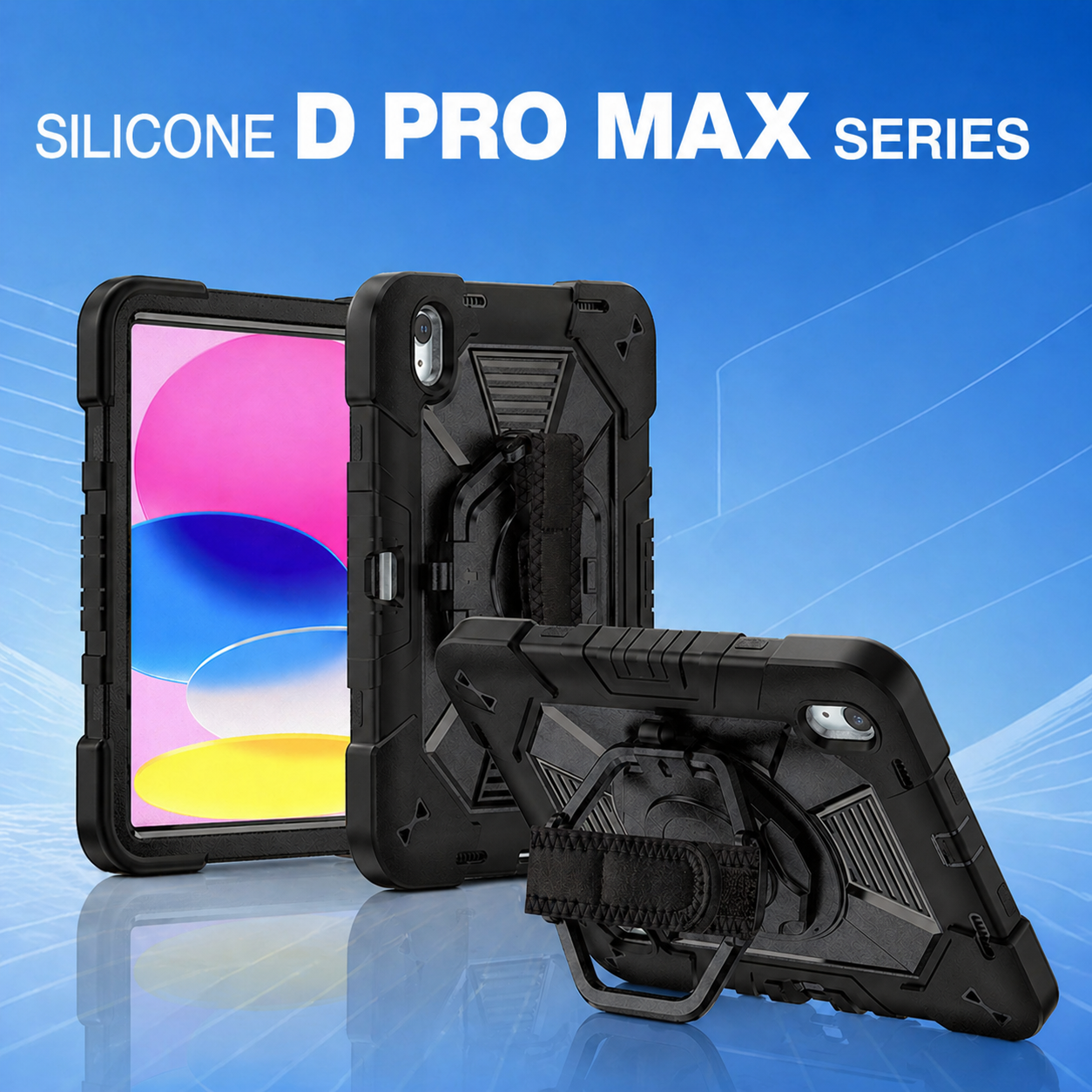
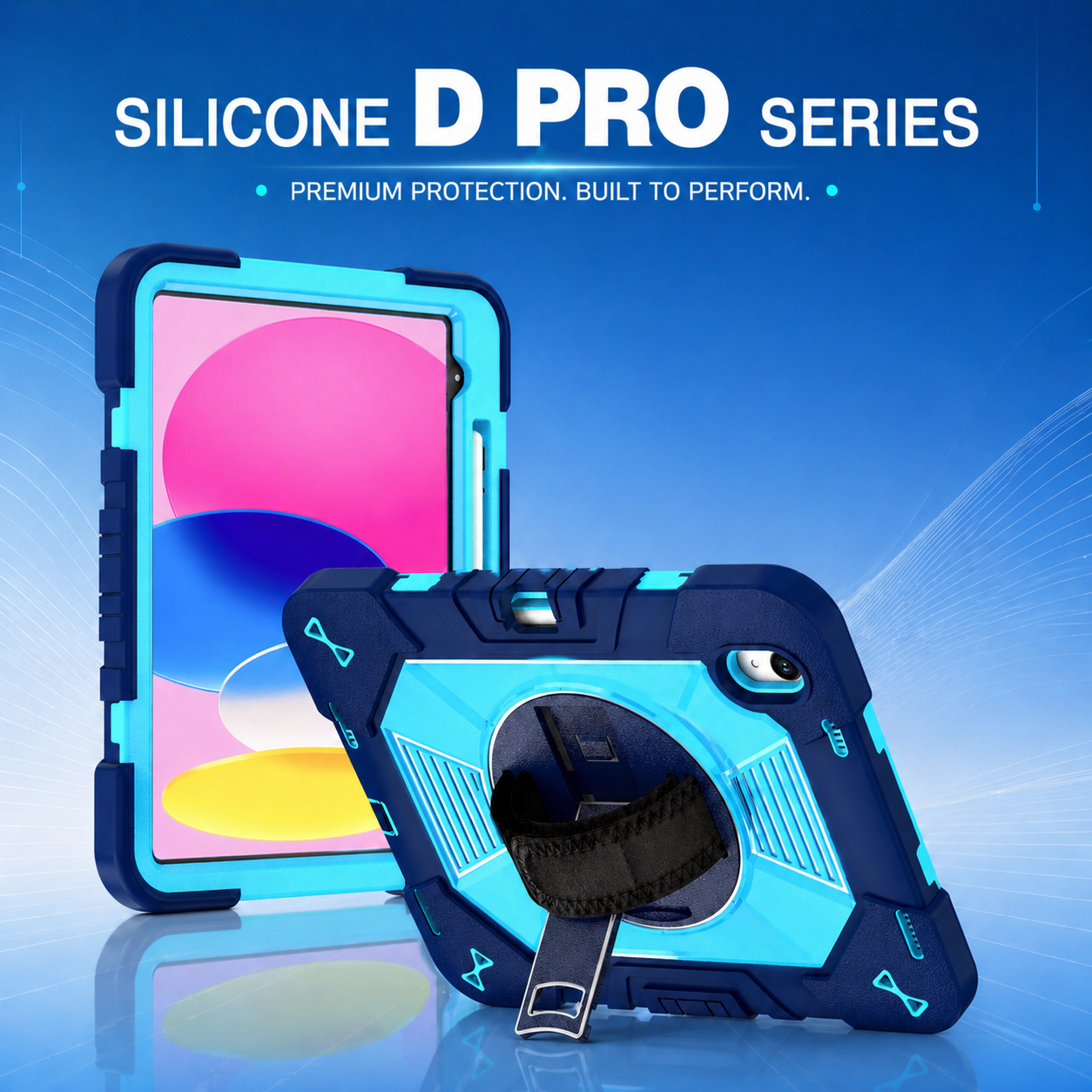
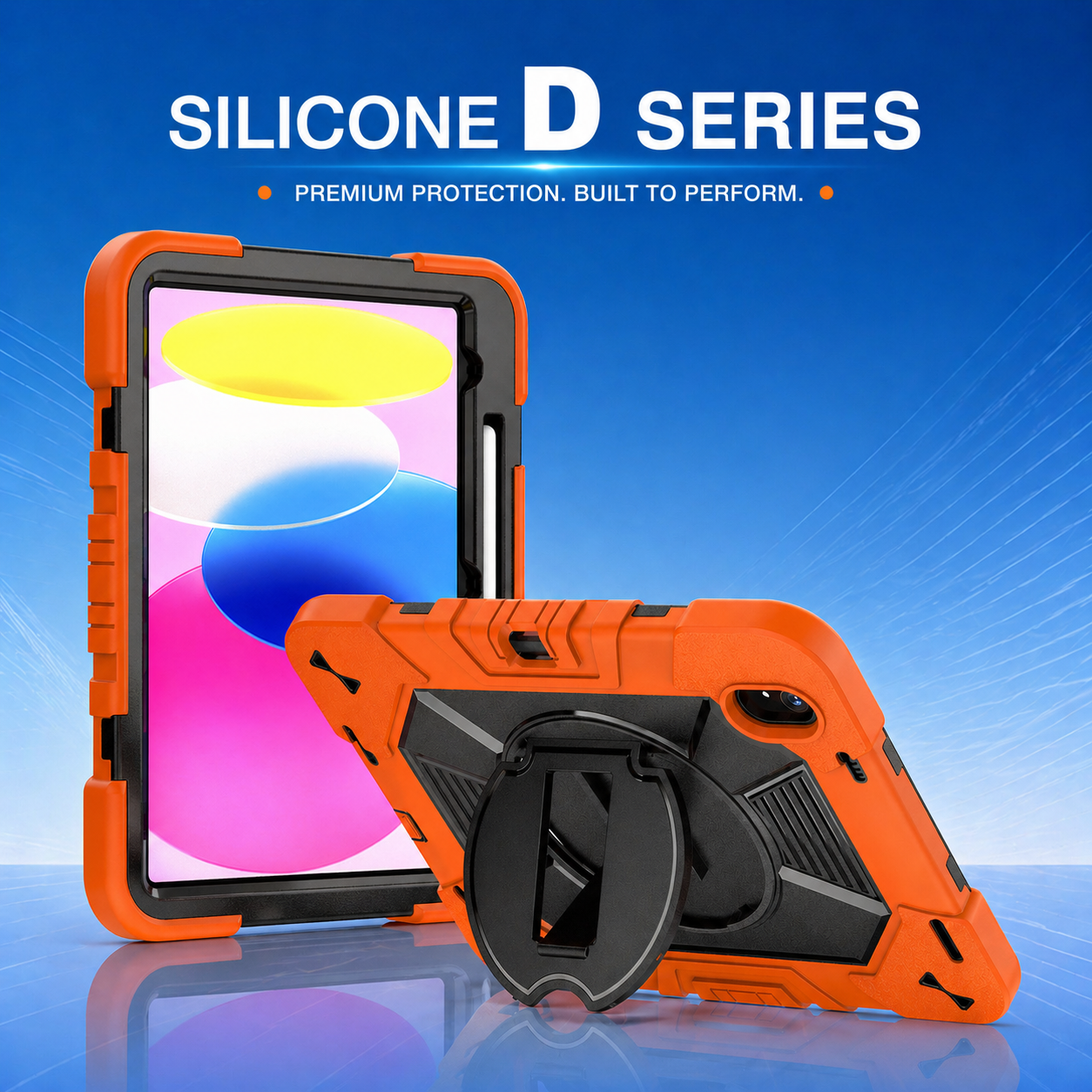
Rather than simply purchasing replacement devices, the organization partnered with TOZIZO to develop a customized rugged tablet case tailored to healthcare workflows.
The solution incorporated:
Reinforced impact-resistant corners
Multi-layer shock absorption
A 360° rotating hand strap
An adjustable kickstand
Improved ergonomic handling
Following deployment, device damage rates declined significantly.
The reduction in repairs and replacements helped lower operating costs while improving staff confidence when using mobile devices.
Calculating Return on Investment
Many procurement teams initially view rugged protection solutions as an additional expense.
However, the economics often tell a different story.
Consider a healthcare network deploying 500 tablets.
If even a small percentage of devices require annual replacement due to accidental damage, the cumulative costs can become substantial.
A high-quality rugged tablet case may prevent dozens of repairs and replacements throughout the lifecycle of the deployment.
Additional savings may include:
Reduced IT labor
Less downtime
Improved employee productivity
Longer device lifespan
Lower asset management costs
In many cases, the protection solution pays for itself multiple times over.
Supporting Device Lifecycle Management
Healthcare organizations increasingly focus on maximizing technology investments.
Extending device lifespan offers several benefits:
Lower capital expenditures
Reduced environmental waste
Simplified inventory management
Better budget forecasting
Improved operational consistency
A durable rugged tablet case plays a critical role in achieving these objectives.
Instead of replacing devices prematurely, organizations can maintain reliable performance over a longer period.
Choosing the Right Protection Solution
Not all protective cases are designed for healthcare environments.
When evaluating options, organizations should consider:
Drop Protection Performance
Look for proven impact-resistant designs.
Ergonomic Features
Hand straps and carrying solutions improve usability.
Integrated Stand Functionality
Supports documentation, telemedicine, and training.
Cleaning Compatibility
Materials should withstand frequent disinfection.
Long-Term Durability
Healthcare environments require products capable of continuous daily use.
Custom Branding Options
OEM solutions support asset management and organizational consistency.
Conclusion
As healthcare organizations continue expanding their use of mobile technology, protecting those devices becomes increasingly important.
The true cost of tablet damage extends far beyond repair bills. Every broken device can impact workflows, productivity, patient care, and operational efficiency.
Investing in a professional rugged tablet case helps healthcare providers reduce replacement costs, extend device lifespan, and improve day-to-day usability.
The experience of the Texas healthcare group demonstrates that effective device protection is not simply about preventing damage—it is about supporting long-term operational success.
For hospitals, clinics, and healthcare networks, drop protection should be viewed as a strategic investment that delivers measurable value throughout the entire device lifecycle.






.png)
+86 13422271740
.png)
info@tongmeitech.com
.png)
No. 34, Mashe Section, Guihe Road, Lishui Town, Foshan, Guangdong, China