- 1
- BLACKL
- TABLETAPPLE iPad Mini 8NEW iPad A16(2025) iPad 10.9" 10th (2022) iPad 10.2" (7th/8th/9th) iPad Air 13" (M2/M3/M4)(2024/2025/2026)NEW iPad Air 11" (M2/M3/M4)(2024/2025/2026)NEW iPad Mini 8.3" (A7 Pro/6th Gen) iPad Pro13"(M4/M5)(2024/2025) iPad Pro11"(M4/M5)(2026) iPad 9.7" (5th/6th Gen) iPad Pro 12.9"(2018-2022) iPad Pro 11"(2018-2022) iPad 9.7"(2th/3th/4th) iPad Air 10.9"(4th/5th Gen) iPad Mini 7.9"(4th/5th Gen)SAMSUNG Galaxy Tab A11 Galaxy Tab A11 Plus Galaxy Tab S11 Galaxy Tab S12 PlusNEW Galaxy Tab S12 UltraNEW Galaxy Tab A9+ Galaxy Tab A9 Galaxy Tab A8 Galaxy Tab A7 Galaxy Tab A7 Lite Galaxy Tab S11 Ultra/S10 Ultra/S9 Ultra/S8 Ultra Galaxy Tab S10+/S9+/S9 FE+ Galaxy Tab S10Lite/S10 FE/S9 FE/S9 Galaxy Tab S8+/S7+/S7 FE Galaxy Tab S8/S7 Galaxy Tab S6 lite Galaxy Tab A10.1 Galaxy Tab A8.4 Galaxy Tab A8.0 Galaxy Tab S10 FE+LENOVO iDea tab 11/Tab K11 Gen 2 /Xiaoxin Pad 11 2025 Lenovo Tab K9 (Tab One) 2025 Lenovo Tab M10 10.1"(2025) Lenovo Tab M10 Plus 10.6" (3rd Gen) Lenovo Tab M10 HD 10.1" (3rd Gen) Lenovo K10/M10 Plus 10.3" (2nd Gen) Lenovo Tab M10 HD 10.1" (2nd Gen)XIAOMI Redmi Pad 2 9.7 InchNEW Xiaomi Pad8/8Pro 11.2" Redmi Pad2/Pad2.4G Xiaomi Pad 6/6 Pro 11" Redmi Pad 10.61" Redmi Pad Se 11" Redmi pad Se 4G 8.7" Xiaomi Pad7/7 Pro 11.2" Redmi Pad Pro/Xiaomi Poco Pad/Redmi Pad2 Pro 12.1HUAWEI Huawei Matepad Se 10.4" Huawei Matepad 11" Huawei Matepad 11.5" Huawei Matepad SE 11" Huawei Matepad T8 8" Huawei Matepad T10 9.7"
- CATEGORIES

How Healthcare Organizations Standardize Tablet Management Across Multiple Facilities
Author: Alice
As healthcare systems continue to expand, many organizations now operate across multiple hospitals, clinics, specialty centers, rehabilitation facilities, and long-term care locations.
While this growth creates opportunities to improve patient access and healthcare delivery, it also introduces new challenges in technology management.
One area that often becomes increasingly complex is tablet deployment.
Healthcare organizations rely on tablets for electronic medical records, telemedicine, patient education, medication administration, and communication. However, when hundreds or thousands of devices are distributed across multiple facilities, maintaining consistency becomes a significant operational challenge.
This is why forward-thinking healthcare providers are focusing on standardized device management strategies—and why solutions such as a customized rugged tablet case have become an important part of enterprise mobility programs.
The Challenge of Managing Devices Across Multiple Locations
A healthcare network may operate dozens of facilities spread across a city, state, or even the entire country.
Each location often has:
Different departments
Different staff members
Different workflows
Different device usage patterns
Without a standardized deployment strategy, organizations frequently encounter issues such as:
Inconsistent device protection
Increased repair rates
Complex inventory management
Difficult staff training
Higher procurement costs
Uneven user experiences
Over time, these inconsistencies can reduce operational efficiency and increase overall technology expenses.
Why Standardization Matters
Standardization allows healthcare organizations to create a repeatable framework for device deployment and management.
Instead of purchasing different accessories and protection solutions for each facility, organizations can establish a unified system.
Benefits include:
Simplified Procurement
Purchasing teams can streamline ordering processes and negotiate better pricing through volume purchasing.
Easier Staff Training
Employees moving between facilities encounter the same device setup and accessories.
Consistent User Experience
Doctors and nurses can use devices confidently regardless of location.
Lower Support Costs
IT teams spend less time troubleshooting multiple hardware configurations.
Improved Asset Tracking
Standardized equipment is easier to monitor and manage.
A professionally designed rugged tablet case can play a central role in achieving these goals.
The Role of Rugged Tablet Cases in Enterprise Healthcare
Many healthcare organizations initially view tablet cases as simple protective accessories.
However, at enterprise scale, a rugged tablet case becomes part of the overall mobility infrastructure.
A standardized protection solution can provide:
Consistent drop protection
Uniform device appearance
Integrated workflow features
Easier maintenance
Better lifecycle management
When deployed across hundreds of devices, these benefits become increasingly valuable.
A Texas Healthcare Group's Expansion Strategy
A large healthcare organization in Texas faced exactly this challenge.
The group operated multiple clinics and care centers while continuing to expand into new locations.
Initially, different departments used different tablet accessories and protection solutions.
This created several problems:
Inconsistent user experiences
Varying damage rates
Complex purchasing processes
Difficult inventory management
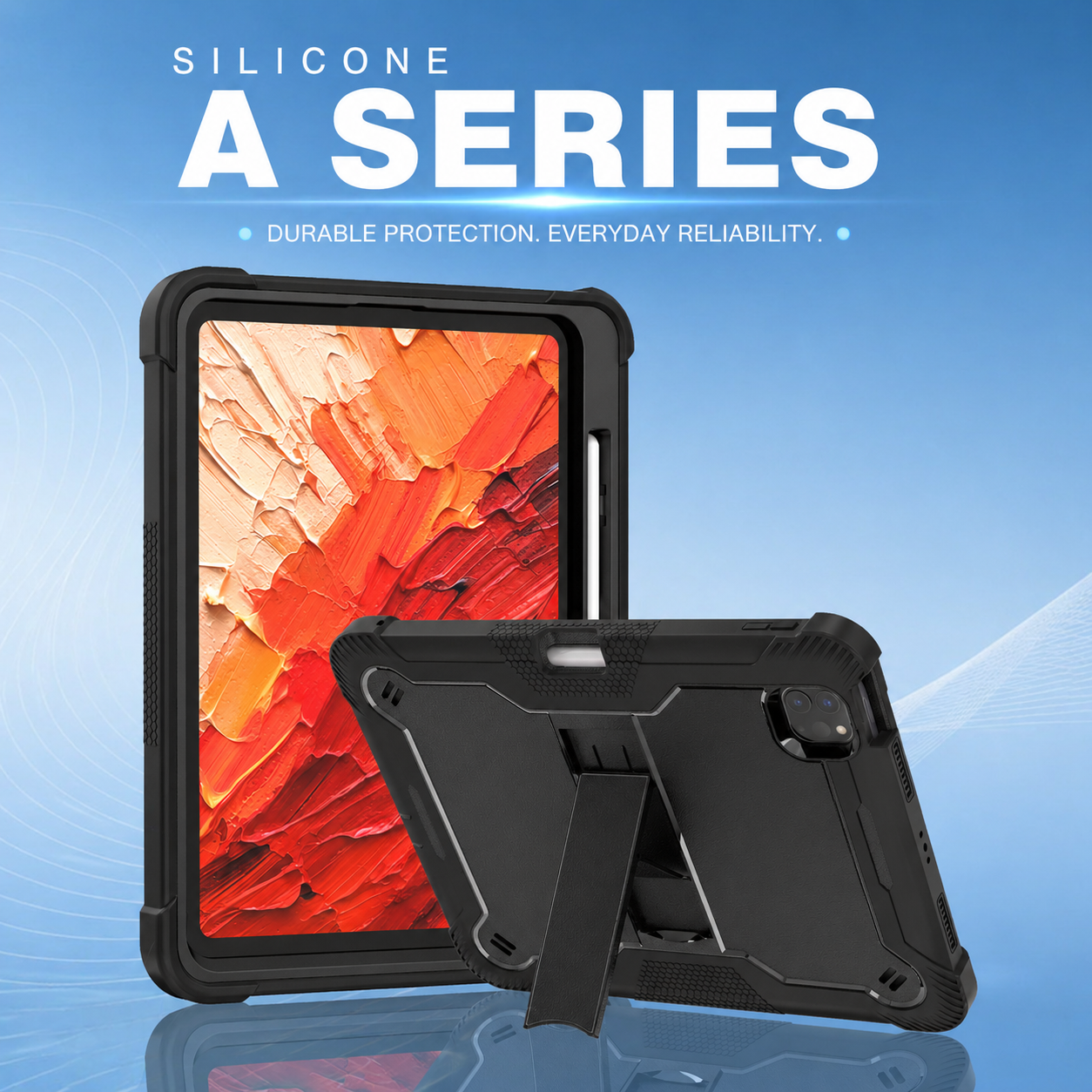
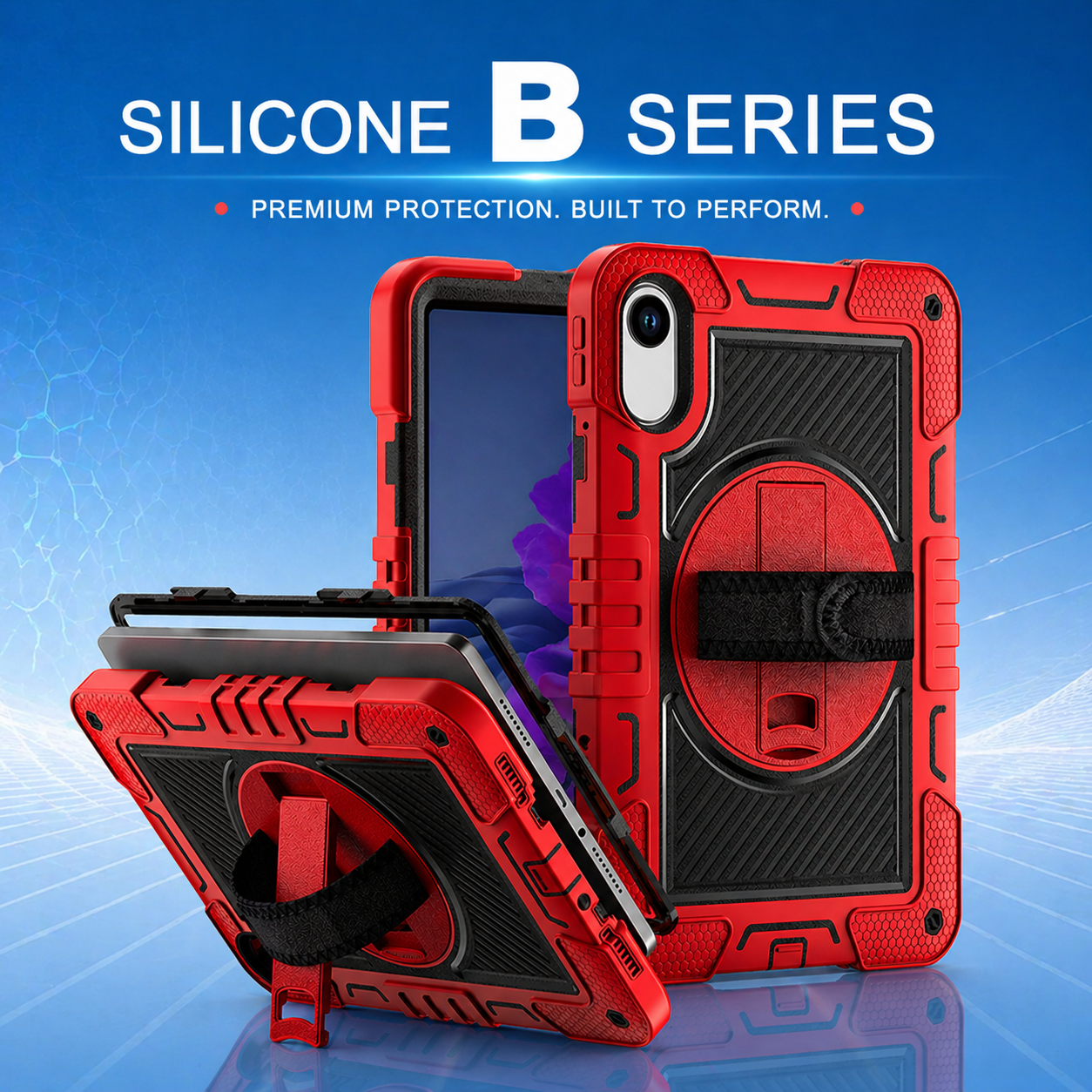
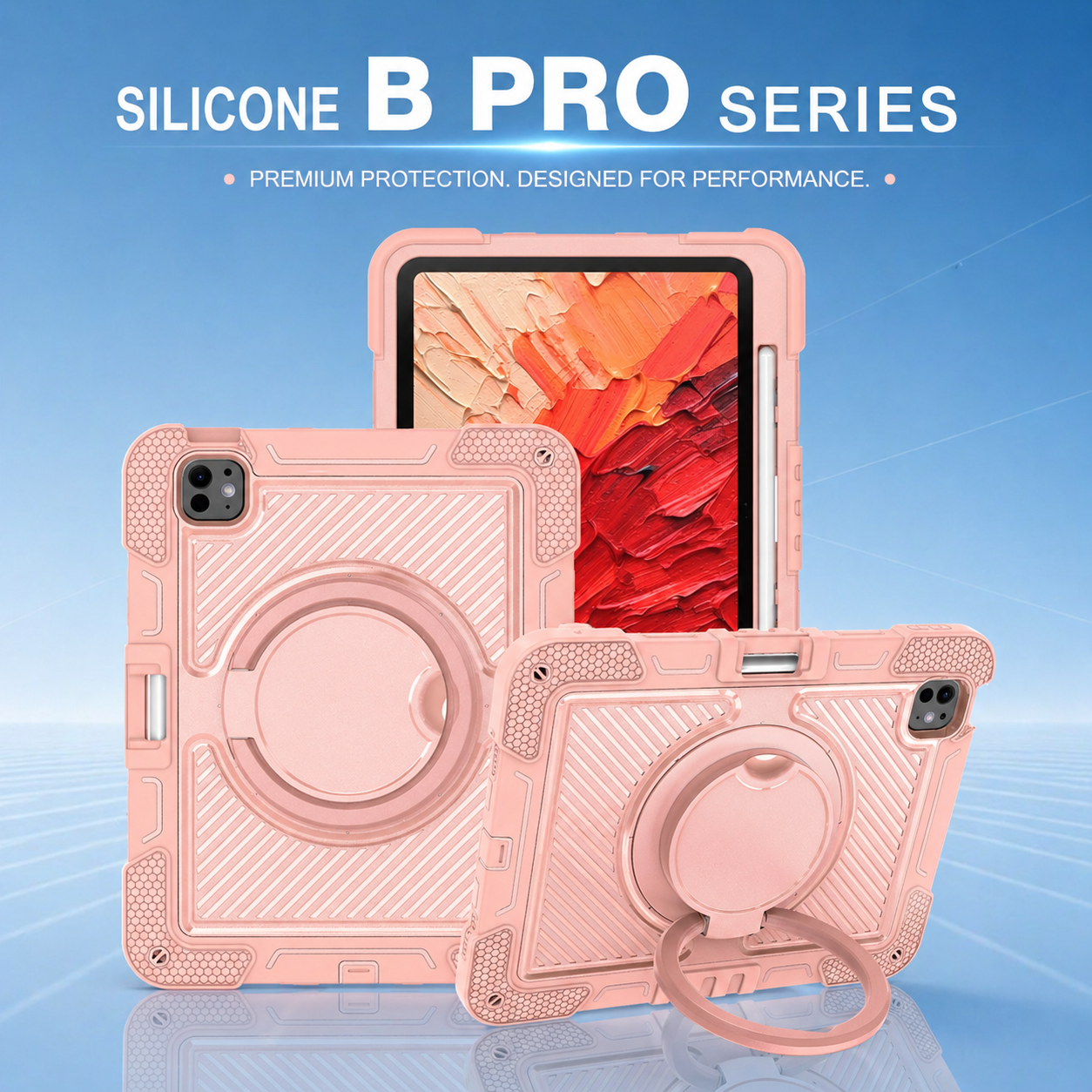
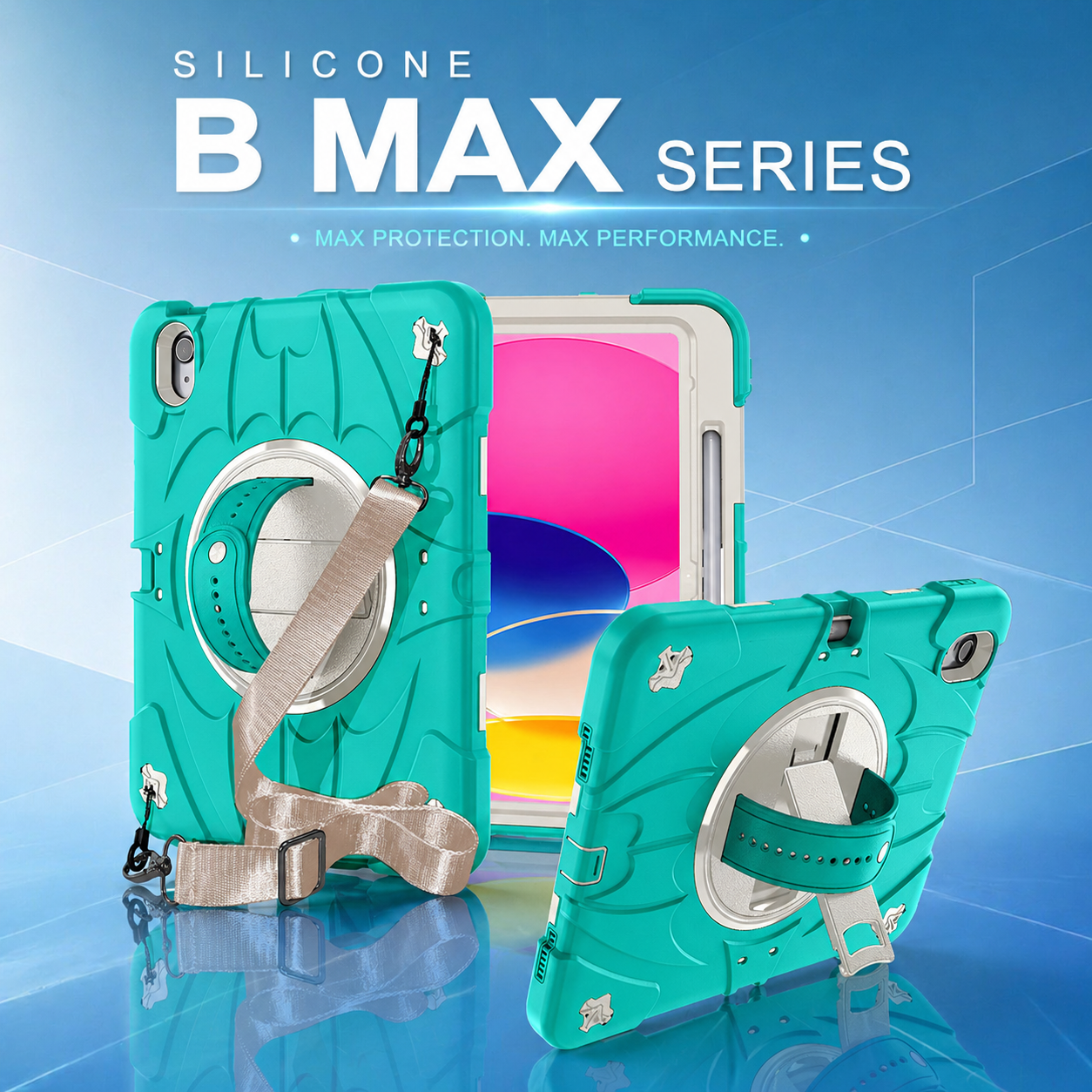
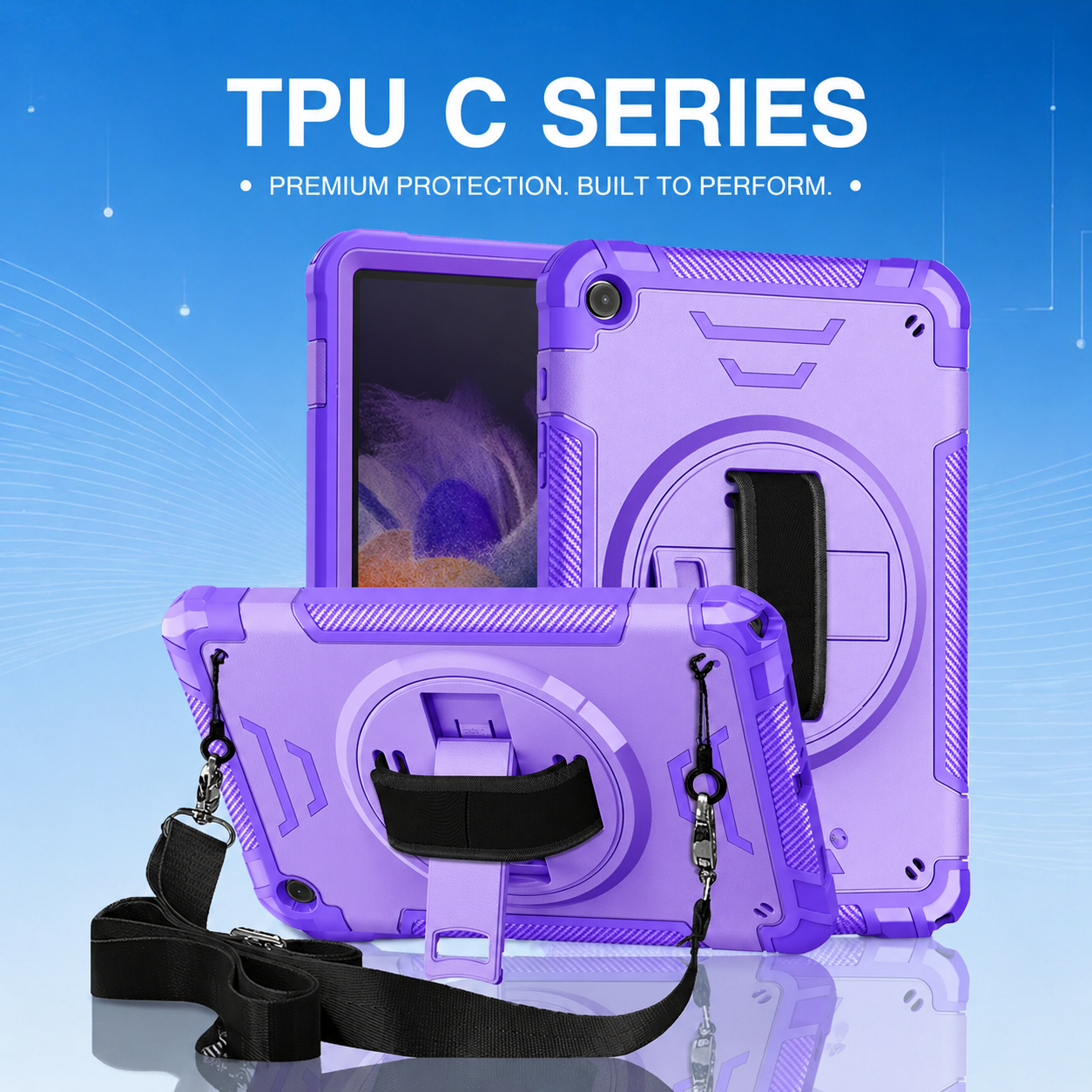
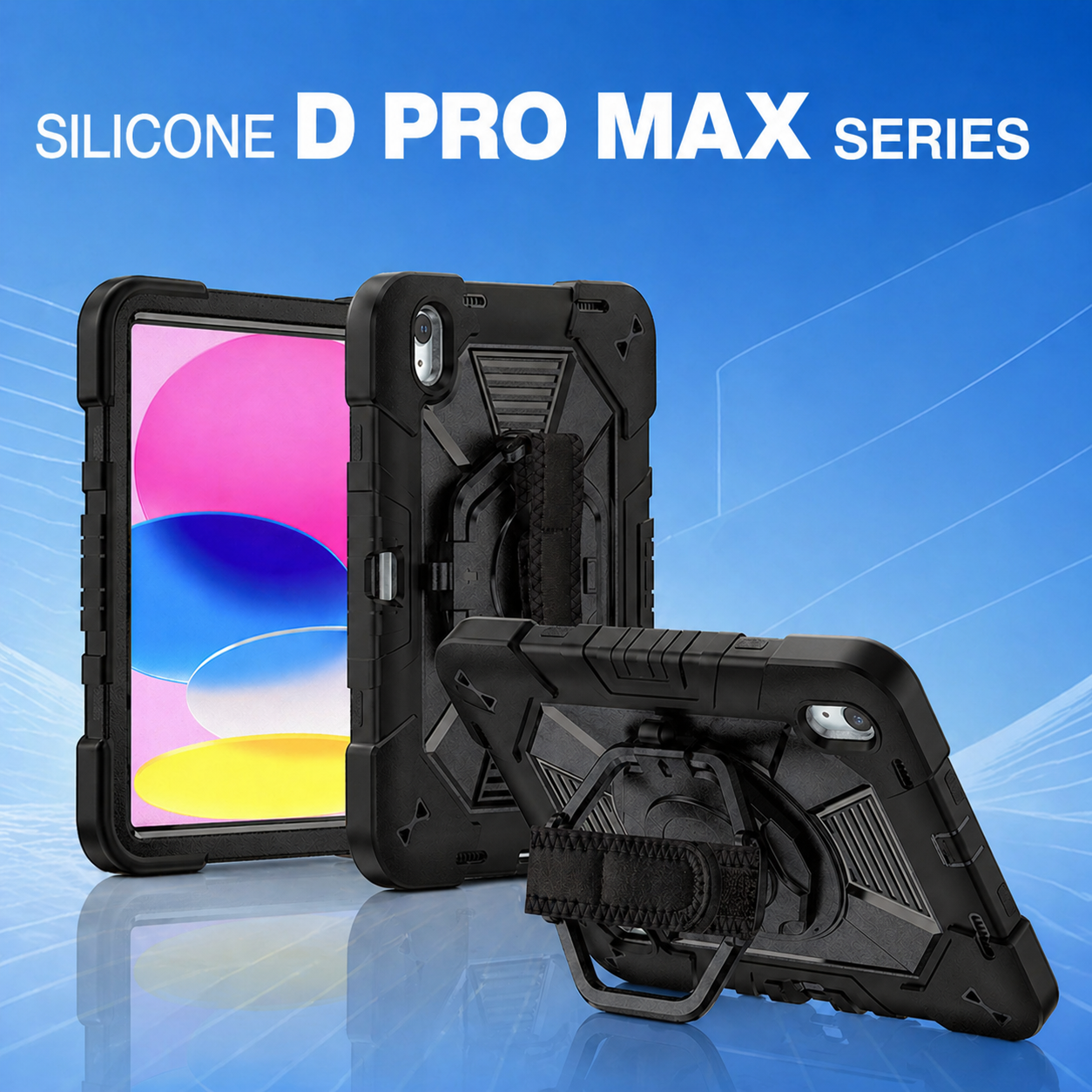
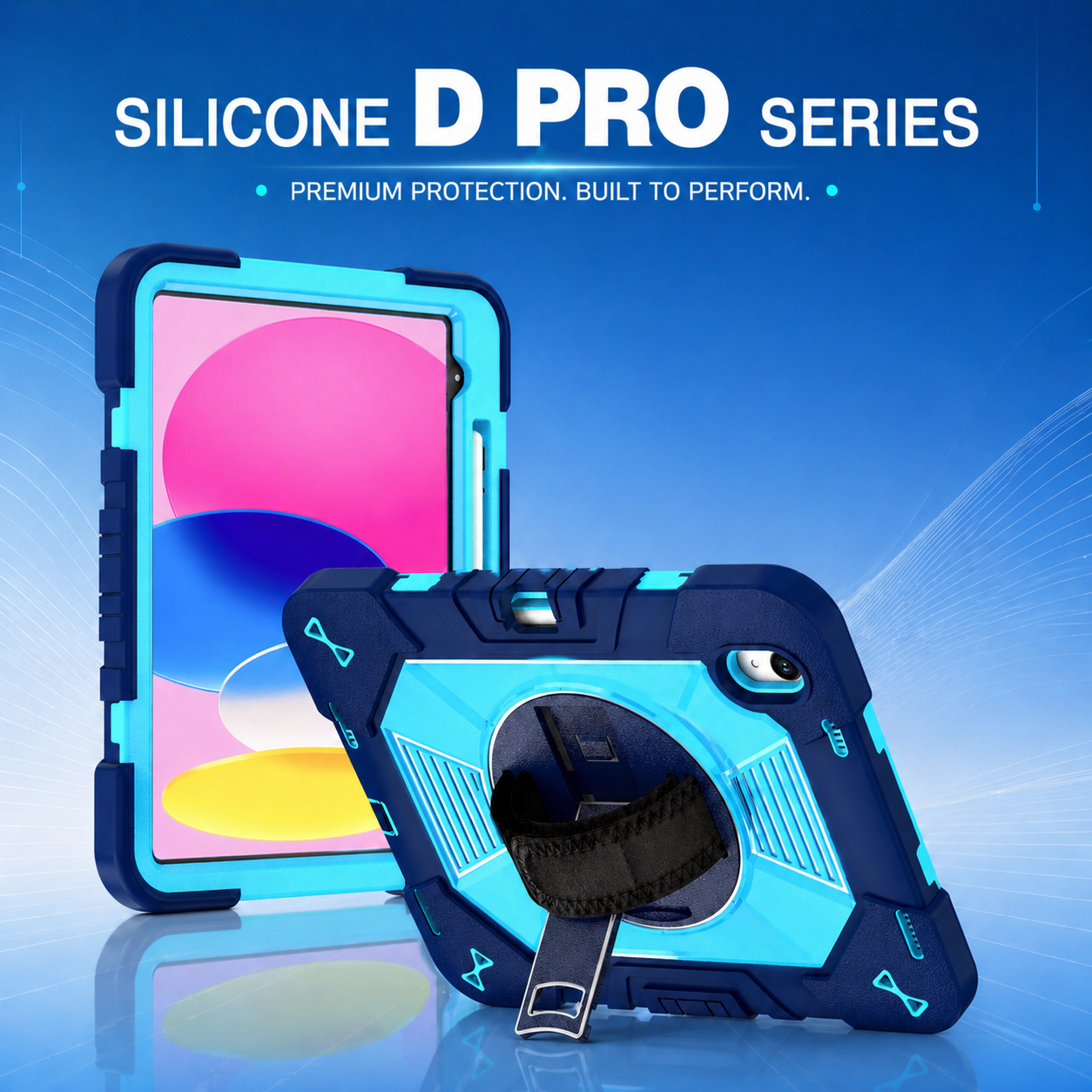
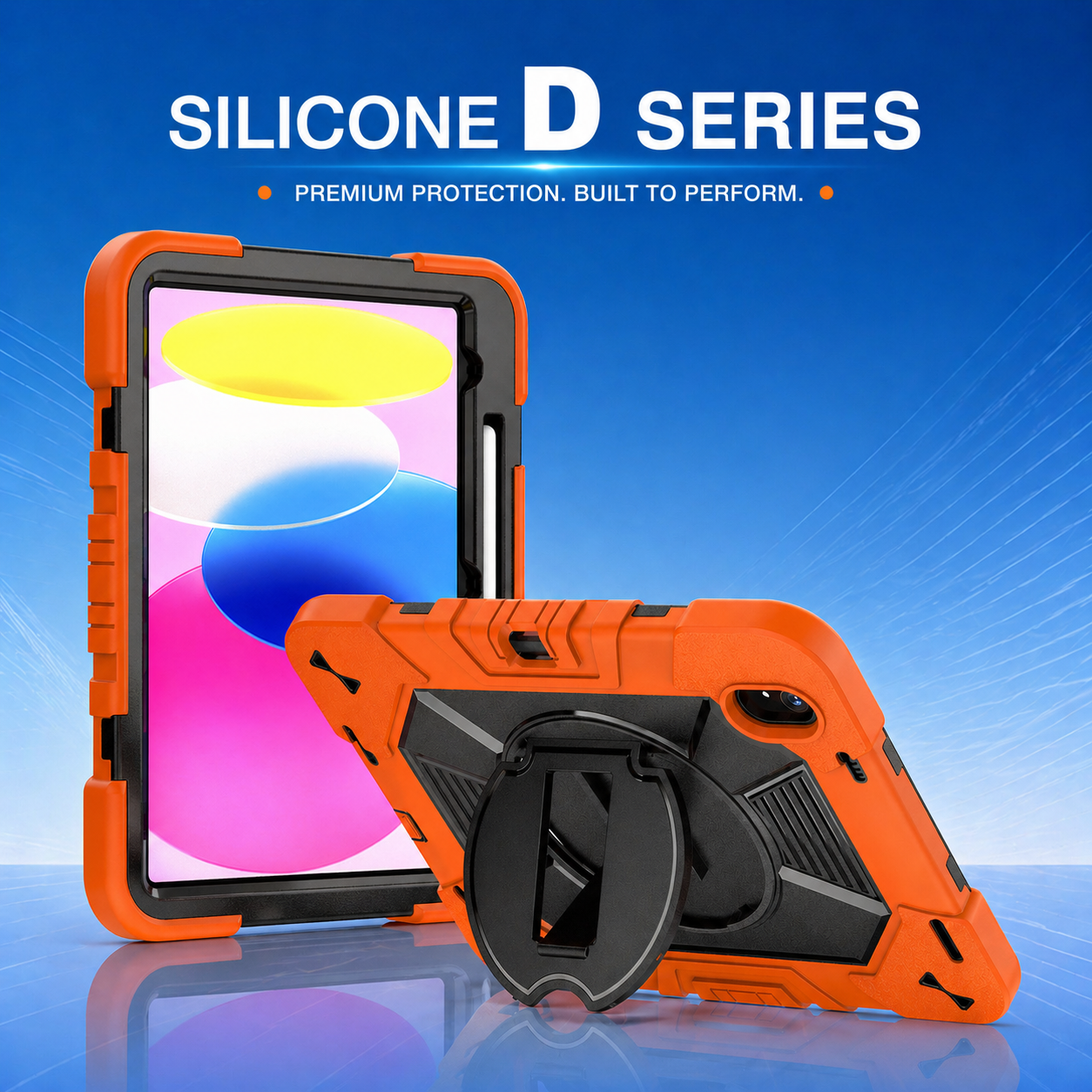
After partnering with TOZIZO, the organization adopted a customized rugged tablet case solution across its entire network.
The case included:
Reinforced drop protection
A 360° rotating hand strap
Adjustable kickstand functionality
Custom branding elements
Consistent packaging standards
As new facilities opened, the same solution was deployed immediately.
This created a unified technology environment across the healthcare system.
Enhancing Asset Management
Healthcare organizations often manage hundreds or thousands of mobile devices.
Without proper identification systems, tracking equipment can become difficult.
Custom-branded rugged tablet case solutions can support asset management initiatives through:
Corporate Branding
Organization logos create a professional and consistent appearance.
Department Identification
Color coding or custom markings help identify device ownership.
Location Tracking
Facility-specific labels improve accountability.
Inventory Control
Standardized accessories simplify auditing and reporting.
These improvements help organizations maintain better visibility into their technology assets.
.jpg)
Supporting Staff Mobility
Healthcare professionals frequently move between facilities.
Traveling physicians, floating nurses, and regional administrators may work at multiple locations throughout a healthcare network.
A standardized rugged tablet case ensures that devices function consistently regardless of where staff members are assigned.
Users become familiar with:
Hand strap operation
Kickstand positioning
Device handling procedures
Cleaning protocols
Storage requirements
This familiarity reduces training requirements and improves overall productivity.
Reducing Total Cost of Ownership
Healthcare procurement teams increasingly evaluate technology investments based on total cost of ownership rather than initial purchase price.
Standardized deployments help reduce costs through:
Lower repair rates
Fewer replacement devices
Simplified purchasing
Reduced training expenses
More efficient support operations
A durable rugged tablet case contributes directly to these savings by protecting devices throughout their lifecycle.
When multiplied across hundreds of tablets, even small reductions in damage rates can produce significant financial benefits.
Preparing for Future Growth
Healthcare organizations rarely remain static.
New facilities, acquisitions, partnerships, and service expansions are common.
A standardized mobility strategy provides a scalable foundation for future growth.
When new locations are added, administrators can deploy:
The same tablets
The same accessories
The same protection systems
The same management processes
This reduces implementation time and minimizes operational disruption.
Organizations that standardize early often experience smoother expansion and better long-term efficiency.
Key Factors to Consider
When selecting a standardized tablet protection solution, healthcare organizations should evaluate:
Durability
The solution must withstand continuous clinical use.
Ergonomics
Staff should be able to use devices comfortably throughout long shifts.
Cleaning Compatibility
Materials must tolerate frequent disinfection procedures.
Custom Branding Capabilities
Support for logos, labeling, and asset identification improves management.
Scalability
The solution should support growth across multiple facilities.
Integration with Clinical Workflows
Features such as rotating hand straps and adjustable stands improve usability.
A well-designed rugged tablet case addresses all of these requirements simultaneously.
Conclusion
As healthcare organizations continue expanding their digital infrastructure, standardized device management becomes increasingly important.
Managing hundreds of tablets across multiple facilities requires more than purchasing hardware. It requires a comprehensive strategy that supports protection, usability, asset management, and long-term scalability.
The experience of the Texas healthcare group demonstrates how a customized rugged tablet case can become an important component of enterprise mobility success.
By standardizing device protection and management across all facilities, healthcare providers can improve efficiency, reduce costs, simplify operations, and create a more consistent experience for staff and patients alike.
In today's healthcare environment, the organizations that manage technology most effectively are often the ones best positioned for sustainable growth and operational excellence.




.png)
+86 13422271740
.png)
info@tongmeitech.com
.png)
No. 34, Mashe Section, Guihe Road, Lishui Town, Foshan, Guangdong, China