- 1
- BLACKL
- TABLETAPPLE iPad Mini 8NEW iPad A16(2025) iPad 10.9" 10th (2022) iPad 10.2" (7th/8th/9th) iPad Air 13" (M2/M3/M4)(2024/2025/2026)NEW iPad Air 11" (M2/M3/M4)(2024/2025/2026)NEW iPad Mini 8.3" (A7 Pro/6th Gen) iPad Pro13"(M4/M5)(2024/2025) iPad Pro11"(M4/M5)(2026) iPad 9.7" (5th/6th Gen) iPad Pro 12.9"(2018-2022) iPad Pro 11"(2018-2022) iPad 9.7"(2th/3th/4th) iPad Air 10.9"(4th/5th Gen) iPad Mini 7.9"(4th/5th Gen)SAMSUNG Galaxy Tab A11 Galaxy Tab A11 Plus Galaxy Tab S11 Galaxy Tab S12 PlusNEW Galaxy Tab S12 UltraNEW Galaxy Tab A9+ Galaxy Tab A9 Galaxy Tab A8 Galaxy Tab A7 Galaxy Tab A7 Lite Galaxy Tab S11 Ultra/S10 Ultra/S9 Ultra/S8 Ultra Galaxy Tab S10+/S9+/S9 FE+ Galaxy Tab S10Lite/S10 FE/S9 FE/S9 Galaxy Tab S8+/S7+/S7 FE Galaxy Tab S8/S7 Galaxy Tab S6 lite Galaxy Tab A10.1 Galaxy Tab A8.4 Galaxy Tab A8.0 Galaxy Tab S10 FE+LENOVO iDea tab 11/Tab K11 Gen 2 /Xiaoxin Pad 11 2025 Lenovo Tab K9 (Tab One) 2025 Lenovo Tab M10 10.1"(2025) Lenovo Tab M10 Plus 10.6" (3rd Gen) Lenovo Tab M10 HD 10.1" (3rd Gen) Lenovo K10/M10 Plus 10.3" (2nd Gen) Lenovo Tab M10 HD 10.1" (2nd Gen)XIAOMI Redmi Pad 2 9.7 InchNEW Xiaomi Pad8/8Pro 11.2" Redmi Pad2/Pad2.4G Xiaomi Pad 6/6 Pro 11" Redmi Pad 10.61" Redmi Pad Se 11" Redmi pad Se 4G 8.7" Xiaomi Pad7/7 Pro 11.2" Redmi Pad Pro/Xiaomi Poco Pad/Redmi Pad2 Pro 12.1HUAWEI Huawei Matepad Se 10.4" Huawei Matepad 11" Huawei Matepad 11.5" Huawei Matepad SE 11" Huawei Matepad T8 8" Huawei Matepad T10 9.7"
- CATEGORIES
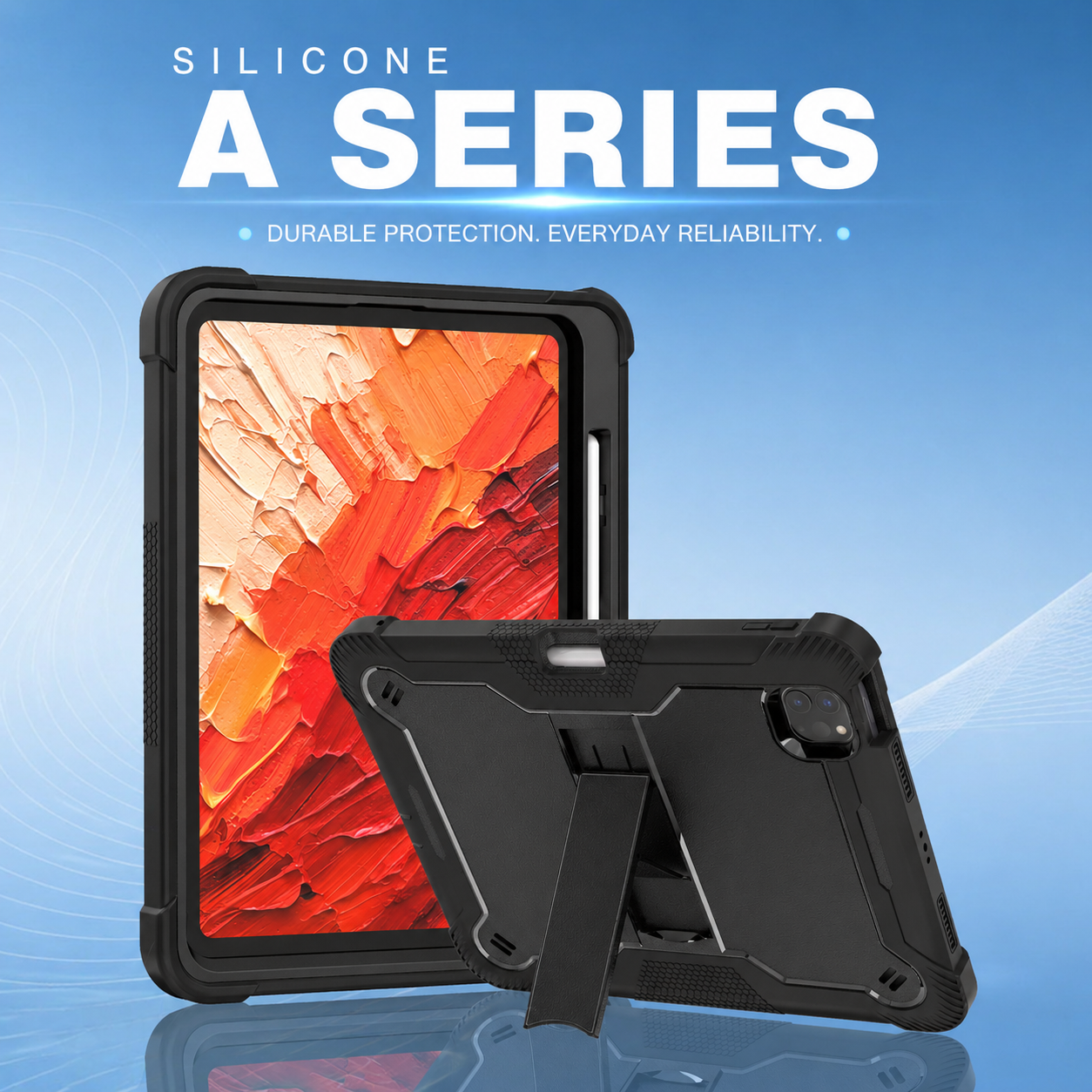
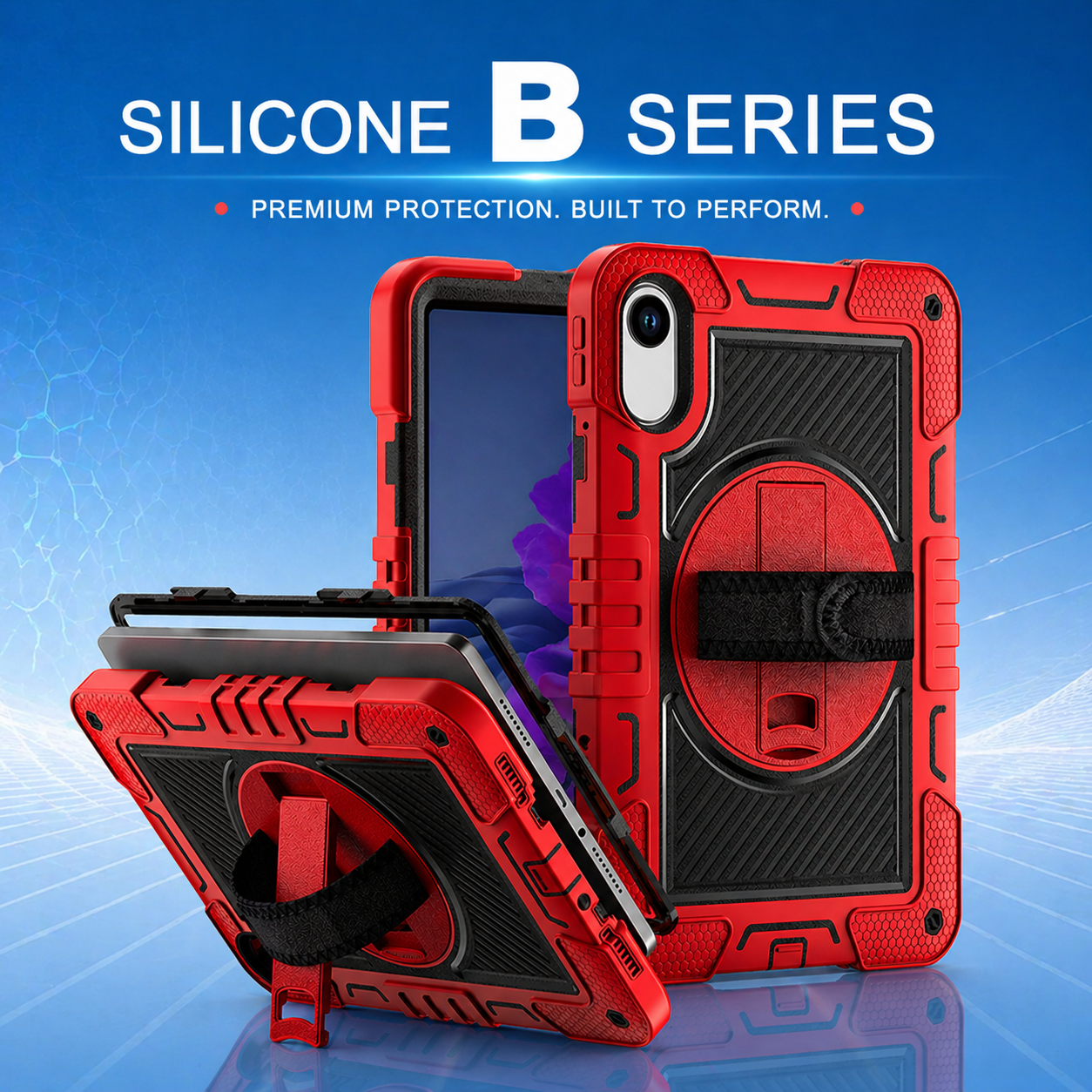
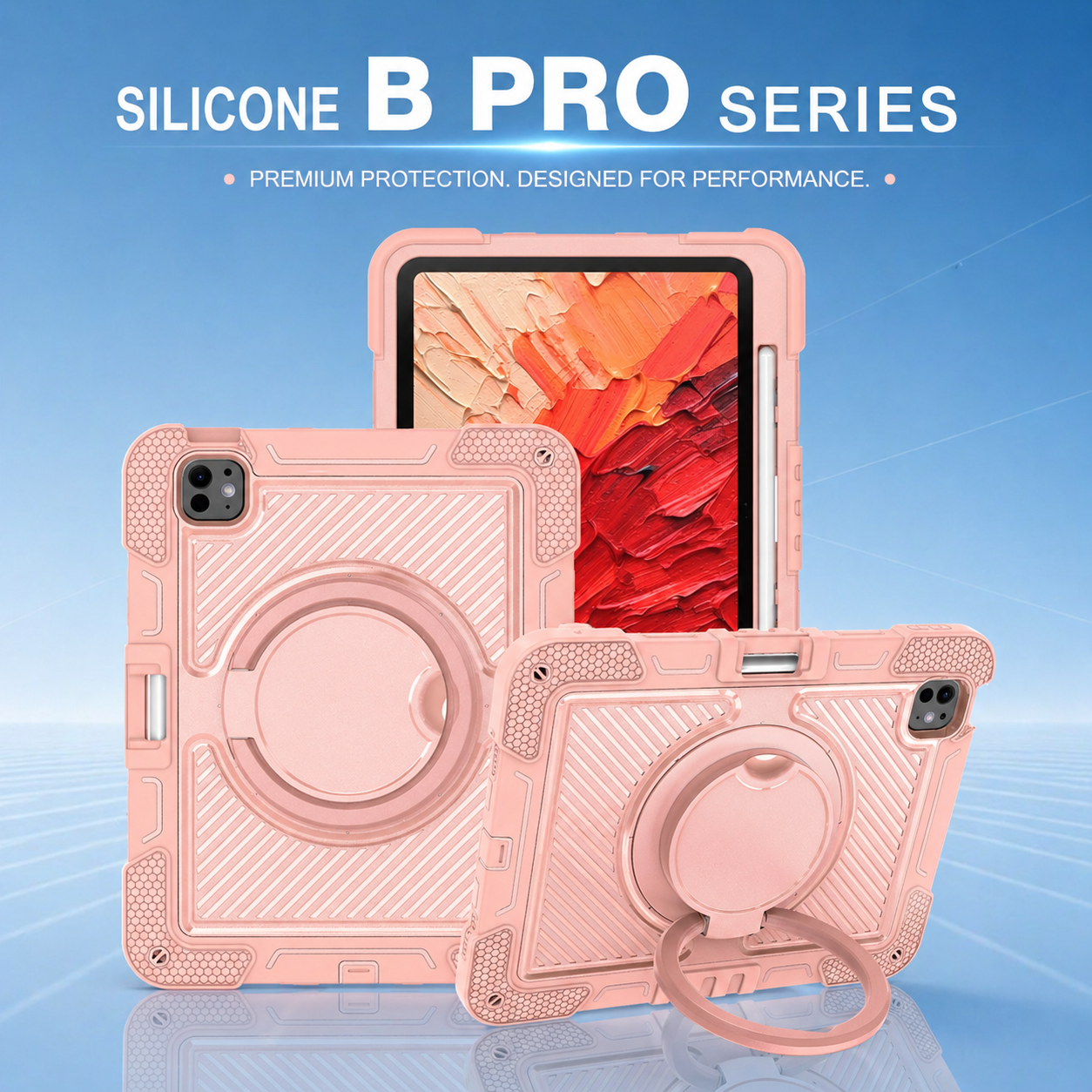
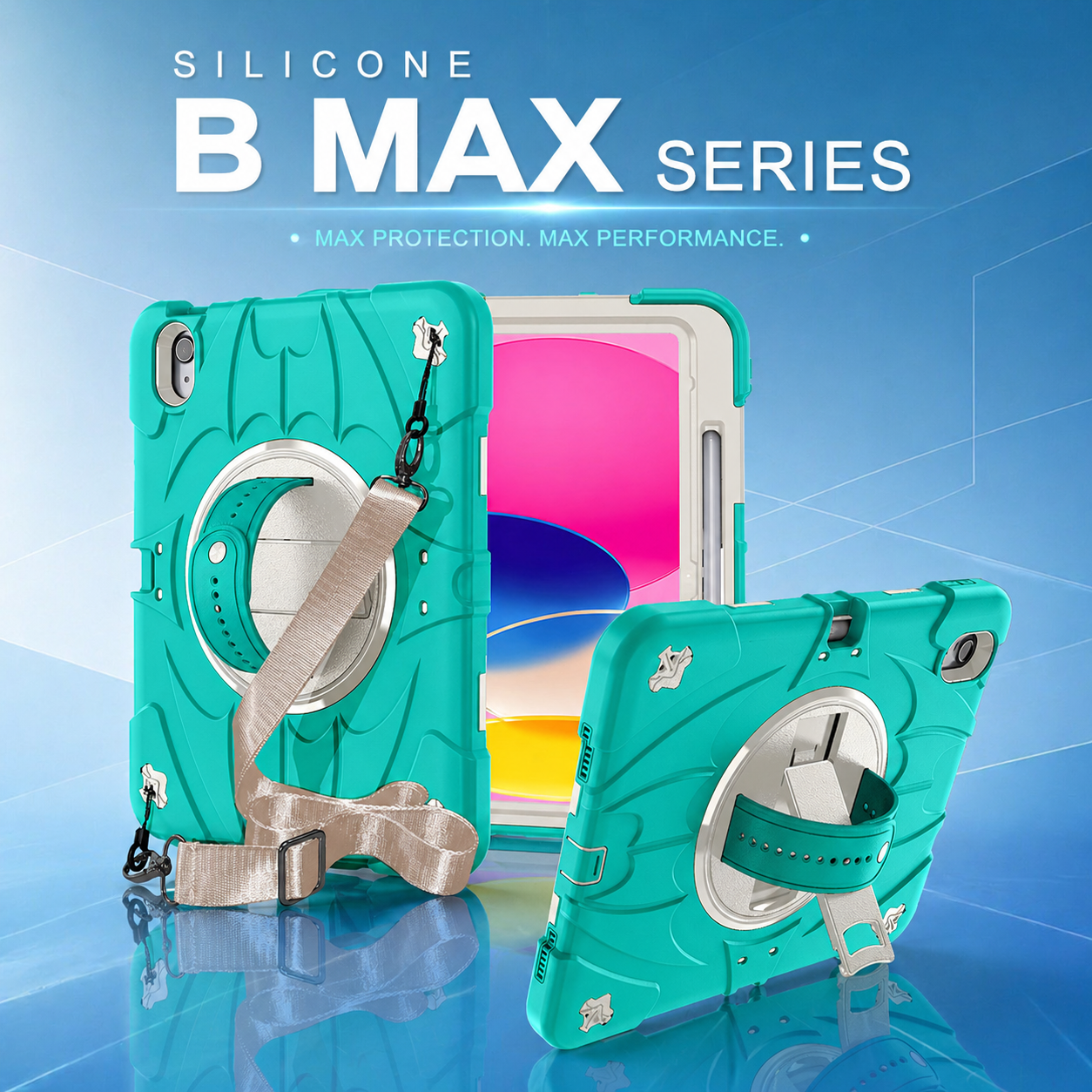
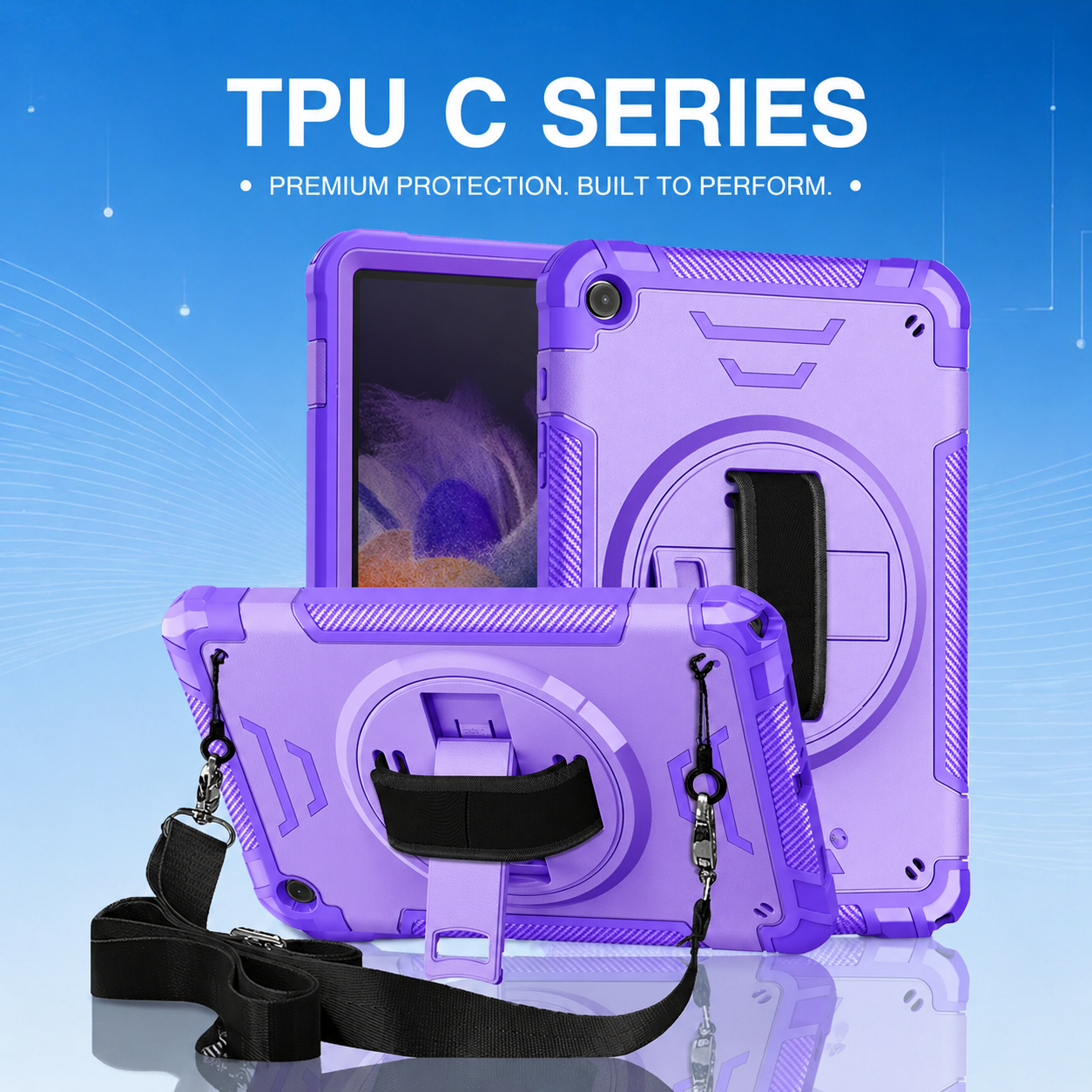
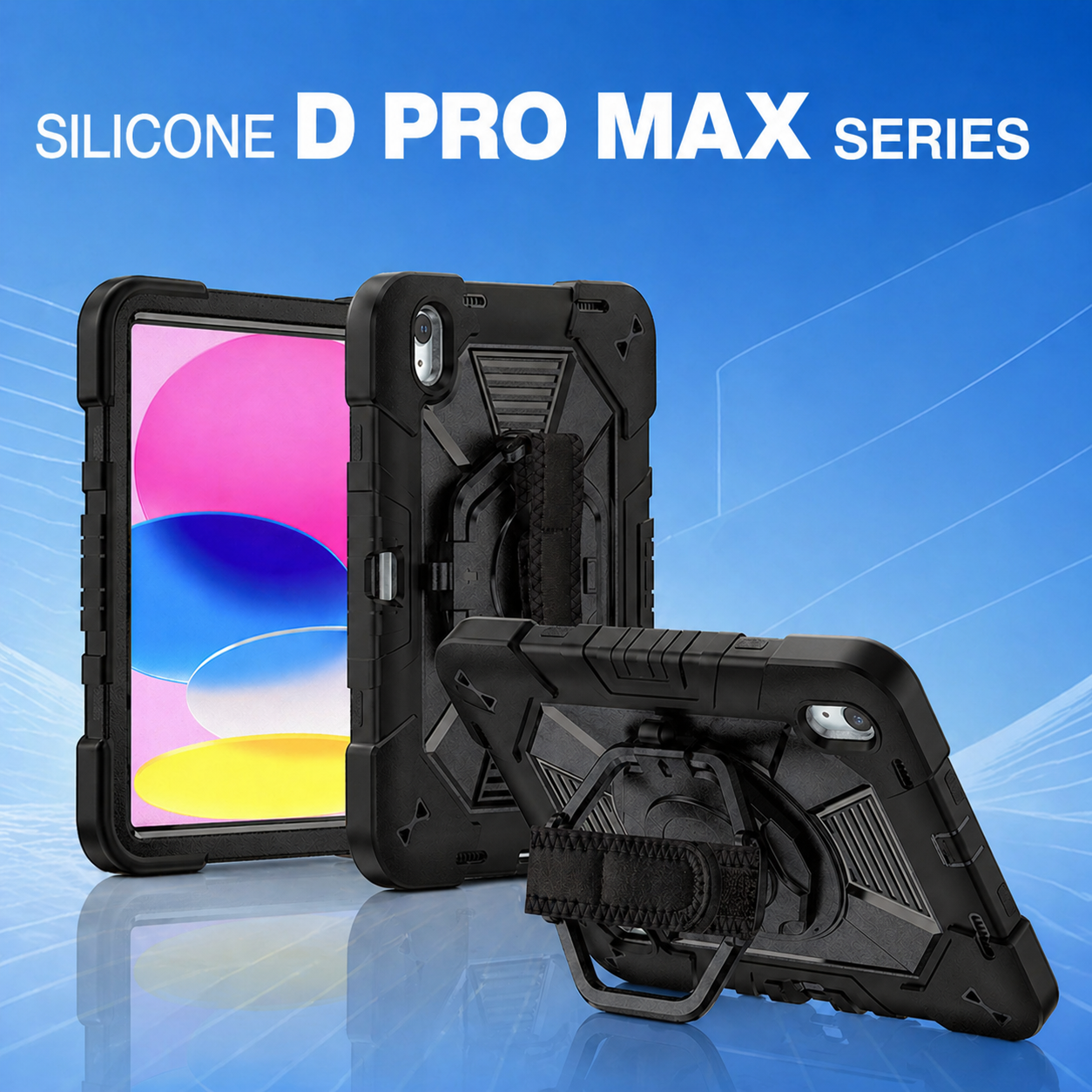
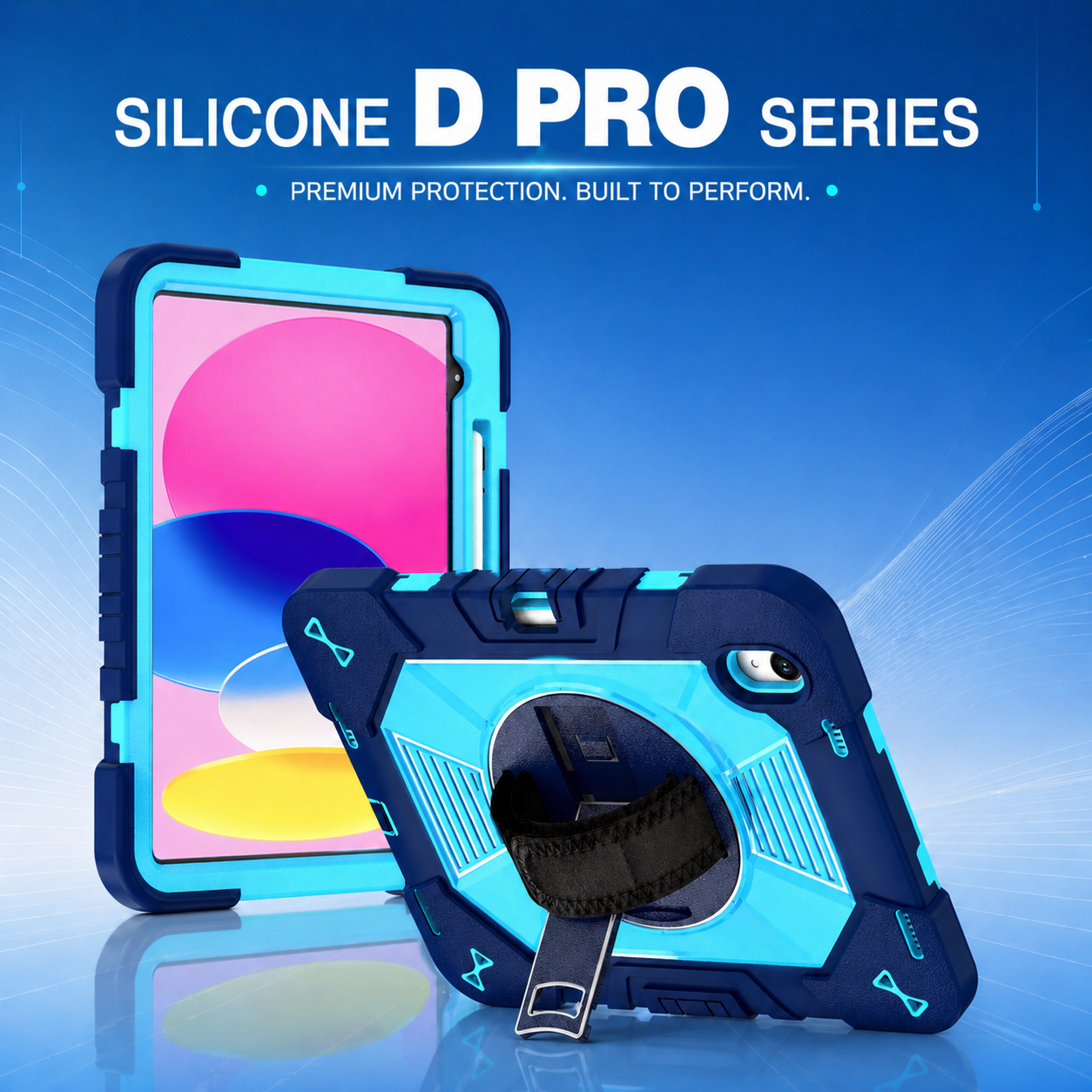
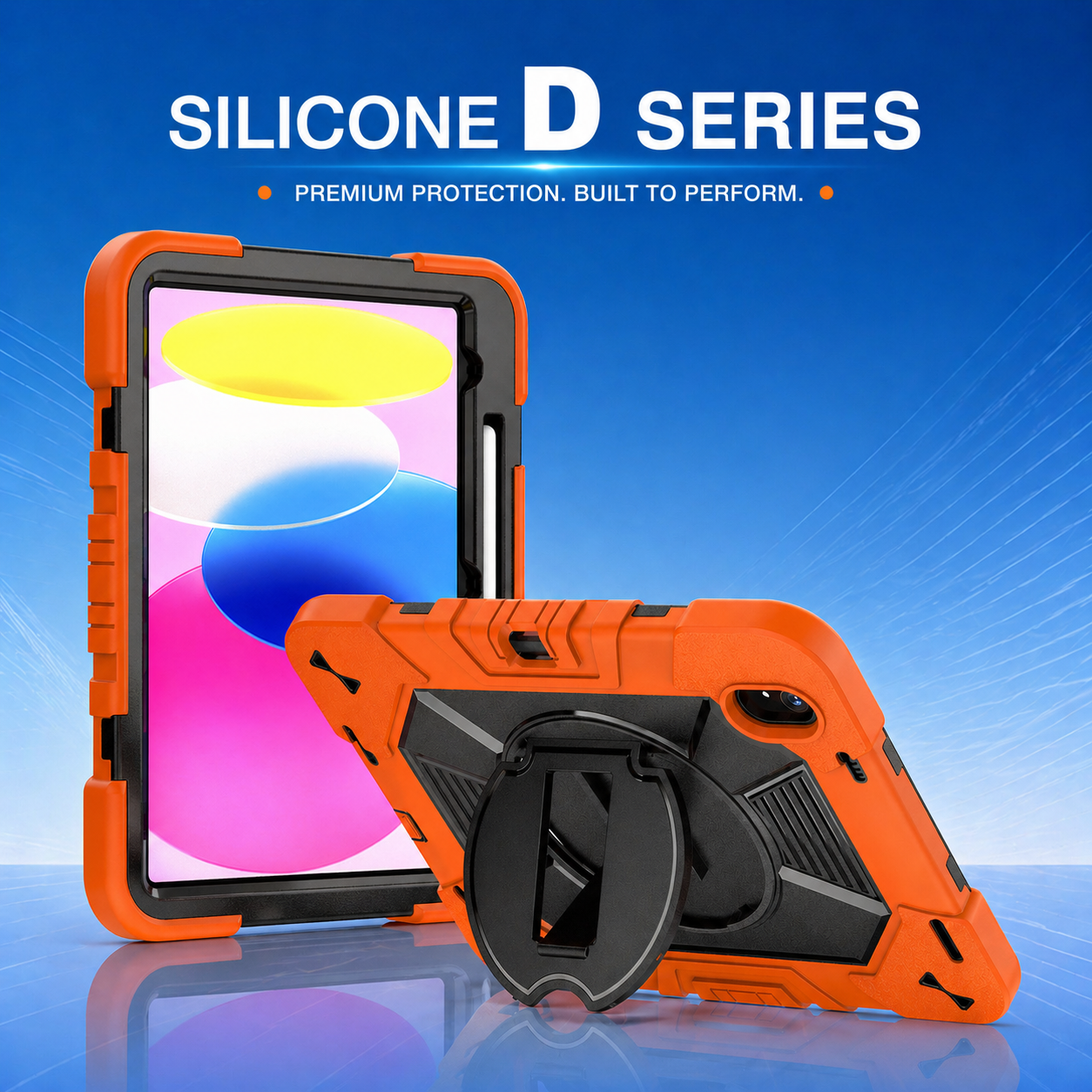

Quality Inspection and Packaging Standards for OEM Rugged Tablet Cases
Quality Inspection is the stage that connects factory production with customer trust. A tablet case may look simple from the outside, but OEM buyers need every batch to match the approved sample in fit, color, function, protection, and packaging. When inspection and packaging are handled carefully, the product arrives clean, organized, and ready for retail, education projects, distributor warehouses, or enterprise deployment.
1. Inspection starts with the approved sample
A professional factory compares mass production against the confirmed sample, drawing, color card, and packaging specification. Inspectors check whether the structure, material feel, surface texture, logo position, color, accessories, and overall appearance match the customer’s approval. This is especially important for a full body protective tablet case, because the customer expects complete coverage without blocking daily tablet functions.
2. Appearance and surface checking
Quality Inspection includes surface review for scratches, color spots, oil marks, deformation, flashing, dust, poor trimming, and uneven texture. Silicone parts should feel smooth and flexible, while hard PC parts should be clean and stable. Inspectors also check whether edges are comfortable to touch, whether port covers align well, and whether logos are printed, embossed, or labeled correctly.
3. Dimension and fit verification
A case that does not fit correctly can create serious after-sales problems. Inspectors test important dimensions with gauges, fixtures, or actual tablets when needed. Button holes, camera openings, charging ports, speakers, microphone positions, and pencil slots must remain accurate. For a shockproof iPad tablet case, fit is important not only for appearance but also for impact protection, because loose corners or gaps can reduce the protective effect.
4. Function and structure checks
After appearance review, the product must pass function checks. The team tests button pressing, stand opening, strap pulling, rotation, installation, removal, and accessory stability. If the case includes multiple layers, every layer must connect securely. If it includes a stand, the stand must support the tablet without slipping. If it includes a handle or strap, the attachment point must hold firmly during normal use.
5. Cleaning & Packaging before shipment
Cleaning & Packaging gives the product its final presentation. Workers remove visible dust, fingerprints, loose particles, and packing debris. Then each unit is placed into the correct polybag, box, sleeve, or customized retail packaging. For a multi angle kickstand tablet case, packaging must also protect the stand from bending or pressure during transportation. Proper packaging helps the customer receive products that look fresh and professional.
6. Labeling, barcode, and order accuracy
OEM orders often include different models, colors, language versions, barcodes, SKU labels, and carton marks. The packaging team must confirm that every label matches the product inside. A label mistake can cause warehouse confusion, wrong shipments, or retail listing problems. Quality Inspection therefore includes not only the product itself but also packaging information and order documentation.
7. Final batch review
Before goods move to carton packing, supervisors may perform random sampling according to the inspection standard agreed with the customer. They review defect levels, quantity, packaging condition, and overall batch consistency. If problems are found, the factory can rework, separate, or replace affected units before shipment. This process helps OEM customers protect their supply chain and reduce market risk.
Linked focus for the next article: Carton Packing & Warehousing





.png)
+86 13422271740
.png)
info@tongmeitech.com
.png)
No. 34, Mashe Section, Guihe Road, Lishui Town, Foshan, Guangdong, China