- 1
- BLACKL
- TABLETAPPLE iPad Mini 8NEW iPad A16(2025) iPad 10.9" 10th (2022) iPad 10.2" (7th/8th/9th) iPad Air 13" (M2/M3/M4)(2024/2025/2026)NEW iPad Air 11" (M2/M3/M4)(2024/2025/2026)NEW iPad Mini 8.3" (A7 Pro/6th Gen) iPad Pro13"(M4/M5)(2024/2025) iPad Pro11"(M4/M5)(2026) iPad 9.7" (5th/6th Gen) iPad Pro 12.9"(2018-2022) iPad Pro 11"(2018-2022) iPad 9.7"(2th/3th/4th) iPad Air 10.9"(4th/5th Gen) iPad Mini 7.9"(4th/5th Gen)SAMSUNG Galaxy Tab A11 Galaxy Tab A11 Plus Galaxy Tab S11 Galaxy Tab S12 PlusNEW Galaxy Tab S12 UltraNEW Galaxy Tab A9+ Galaxy Tab A9 Galaxy Tab A8 Galaxy Tab A7 Galaxy Tab A7 Lite Galaxy Tab S11 Ultra/S10 Ultra/S9 Ultra/S8 Ultra Galaxy Tab S10+/S9+/S9 FE+ Galaxy Tab S10Lite/S10 FE/S9 FE/S9 Galaxy Tab S8+/S7+/S7 FE Galaxy Tab S8/S7 Galaxy Tab S6 lite Galaxy Tab A10.1 Galaxy Tab A8.4 Galaxy Tab A8.0 Galaxy Tab S10 FE+LENOVO iDea tab 11/Tab K11 Gen 2 /Xiaoxin Pad 11 2025 Lenovo Tab K9 (Tab One) 2025 Lenovo Tab M10 10.1"(2025) Lenovo Tab M10 Plus 10.6" (3rd Gen) Lenovo Tab M10 HD 10.1" (3rd Gen) Lenovo K10/M10 Plus 10.3" (2nd Gen) Lenovo Tab M10 HD 10.1" (2nd Gen)XIAOMI Redmi Pad 2 9.7 InchNEW Xiaomi Pad8/8Pro 11.2" Redmi Pad2/Pad2.4G Xiaomi Pad 6/6 Pro 11" Redmi Pad 10.61" Redmi Pad Se 11" Redmi pad Se 4G 8.7" Xiaomi Pad7/7 Pro 11.2" Redmi Pad Pro/Xiaomi Poco Pad/Redmi Pad2 Pro 12.1HUAWEI Huawei Matepad Se 10.4" Huawei Matepad 11" Huawei Matepad 11.5" Huawei Matepad SE 11" Huawei Matepad T8 8" Huawei Matepad T10 9.7"
- CATEGORIES




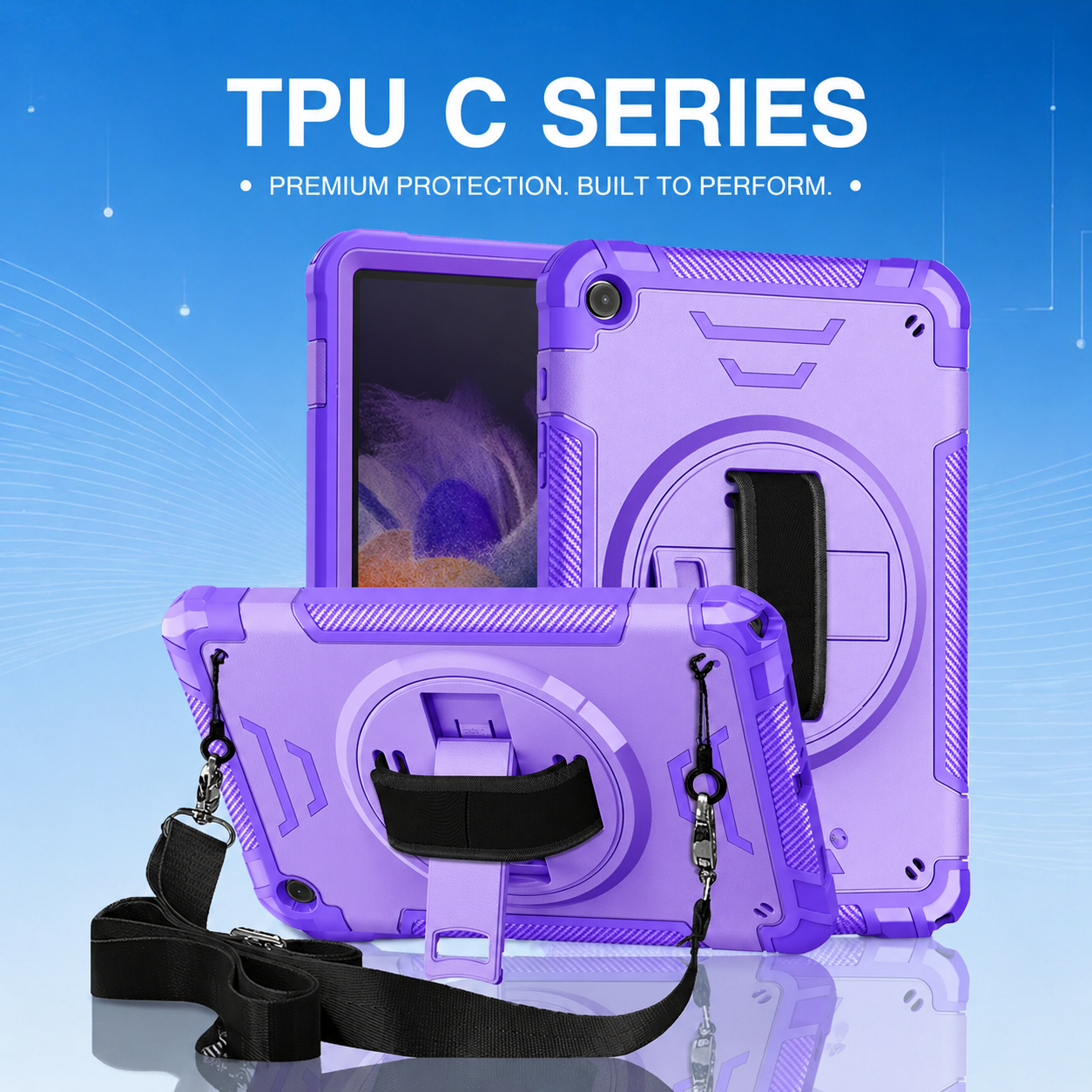




Carton Packing and Warehousing for OEM Rugged Tablet Case Orders
After molding, assembly, testing, inspection, cleaning, and individual packaging are finished, OEM tablet case production enters the final logistics stage. Carton Packing & Warehousing may look simple, but it directly affects shipping accuracy, product protection, inventory control, and customer delivery schedules. For a brand ordering a rugged tablet case in multiple colors or models, organized warehouse handling can prevent confusion and protect the value created during production.
1. Confirming packing requirements
Before cartons are prepared, the factory confirms the customer’s packing method, carton size, quantity per carton, gross weight limit, shipping mark, barcode label, SKU information, and destination requirements. Some customers need neutral cartons, while others need branded cartons with model names and color codes. Export buyers may also require palletizing, carton numbering, or special warehouse documents to match their receiving system.
2. Carton Packing & Warehousing workflow
Carton Packing & Warehousing starts after products pass final Quality Inspection and Cleaning & Packaging. Workers place finished units into cartons according to the approved packing list. Each carton is counted, sealed, labeled, and recorded. If the order includes several models, the warehouse team separates them by SKU, tablet model, color, and destination. A clean record helps the customer track inventory after arrival.
3. Protecting products during transportation
Rugged tablet cases are designed for protection, but they still need proper carton packing. Stands, straps, silicone corners, and surface finishes can be damaged by pressure or poor stacking. Inner arrangement should prevent bending, deformation, friction, and crushing. When the order includes a TPU tablet case, the factory also avoids long-term compression that could affect shape recovery or appearance after unpacking.
4. Managing mixed orders
OEM orders often include several tablet models, colors, or packaging versions in the same shipment. A distributor might order products for schools, retail channels, and enterprise projects together. In that case, warehouse separation becomes very important. Labels should clearly show model, color, quantity, carton number, and customer reference. This reduces the risk of wrong shipments and makes receiving easier for overseas warehouses.
5. Warehousing before shipment
Finished goods may remain in the factory warehouse before the customer arranges pickup, container loading, or express delivery. During this period, cartons should be stored in a dry, clean, and organized area. Warehouse staff should avoid mixing confirmed goods with products still waiting for inspection. For a kids education tablet case order, especially one with multiple bright colors, clear storage by SKU helps prevent color mix-ups before dispatch.
6. Documents and shipment coordination
Before goods leave the factory, the team prepares packing lists, carton measurements, quantity records, and any documents requested by the buyer. Shipment coordination may involve freight forwarders, courier accounts, container loading plans, or warehouse appointment schedules. A factory that understands export preparation can help customers reduce delays and avoid communication problems during the final delivery stage.
7. Why the final step matters
The earlier production stages create the product, but the final packing and warehouse stage determines whether the customer receives the right goods in good condition. A well-managed carton system supports accurate delivery, smooth inventory control, and faster resale. For OEM buyers, this final stage is a sign of factory discipline: the same care used in molding and assembly must continue until the goods leave the warehouse.






.png)
+86 13422271740
.png)
info@tongmeitech.com
.png)
No. 34, Mashe Section, Guihe Road, Lishui Town, Foshan, Guangdong, China