- 1
- BLACKL
- TABLETAPPLE iPad Mini 8NEW iPad A16(2025) iPad 10.9" 10th (2022) iPad 10.2" (7th/8th/9th) iPad Air 13" (M2/M3/M4)(2024/2025/2026)NEW iPad Air 11" (M2/M3/M4)(2024/2025/2026)NEW iPad Mini 8.3" (A7 Pro/6th Gen) iPad Pro13"(M4/M5)(2024/2025) iPad Pro11"(M4/M5)(2026) iPad 9.7" (5th/6th Gen) iPad Pro 12.9"(2018-2022) iPad Pro 11"(2018-2022) iPad 9.7"(2th/3th/4th) iPad Air 10.9"(4th/5th Gen) iPad Mini 7.9"(4th/5th Gen)SAMSUNG Galaxy Tab A11 Galaxy Tab A11 Plus Galaxy Tab S11 Galaxy Tab S12 PlusNEW Galaxy Tab S12 UltraNEW Galaxy Tab A9+ Galaxy Tab A9 Galaxy Tab A8 Galaxy Tab A7 Galaxy Tab A7 Lite Galaxy Tab S11 Ultra/S10 Ultra/S9 Ultra/S8 Ultra Galaxy Tab S10+/S9+/S9 FE+ Galaxy Tab S10Lite/S10 FE/S9 FE/S9 Galaxy Tab S8+/S7+/S7 FE Galaxy Tab S8/S7 Galaxy Tab S6 lite Galaxy Tab A10.1 Galaxy Tab A8.4 Galaxy Tab A8.0 Galaxy Tab S10 FE+LENOVO iDea tab 11/Tab K11 Gen 2 /Xiaoxin Pad 11 2025 Lenovo Tab K9 (Tab One) 2025 Lenovo Tab M10 10.1"(2025) Lenovo Tab M10 Plus 10.6" (3rd Gen) Lenovo Tab M10 HD 10.1" (3rd Gen) Lenovo K10/M10 Plus 10.3" (2nd Gen) Lenovo Tab M10 HD 10.1" (2nd Gen)XIAOMI Redmi Pad 2 9.7 InchNEW Xiaomi Pad8/8Pro 11.2" Redmi Pad2/Pad2.4G Xiaomi Pad 6/6 Pro 11" Redmi Pad 10.61" Redmi Pad Se 11" Redmi pad Se 4G 8.7" Xiaomi Pad7/7 Pro 11.2" Redmi Pad Pro/Xiaomi Poco Pad/Redmi Pad2 Pro 12.1HUAWEI Huawei Matepad Se 10.4" Huawei Matepad 11" Huawei Matepad 11.5" Huawei Matepad SE 11" Huawei Matepad T8 8" Huawei Matepad T10 9.7"
- CATEGORIES
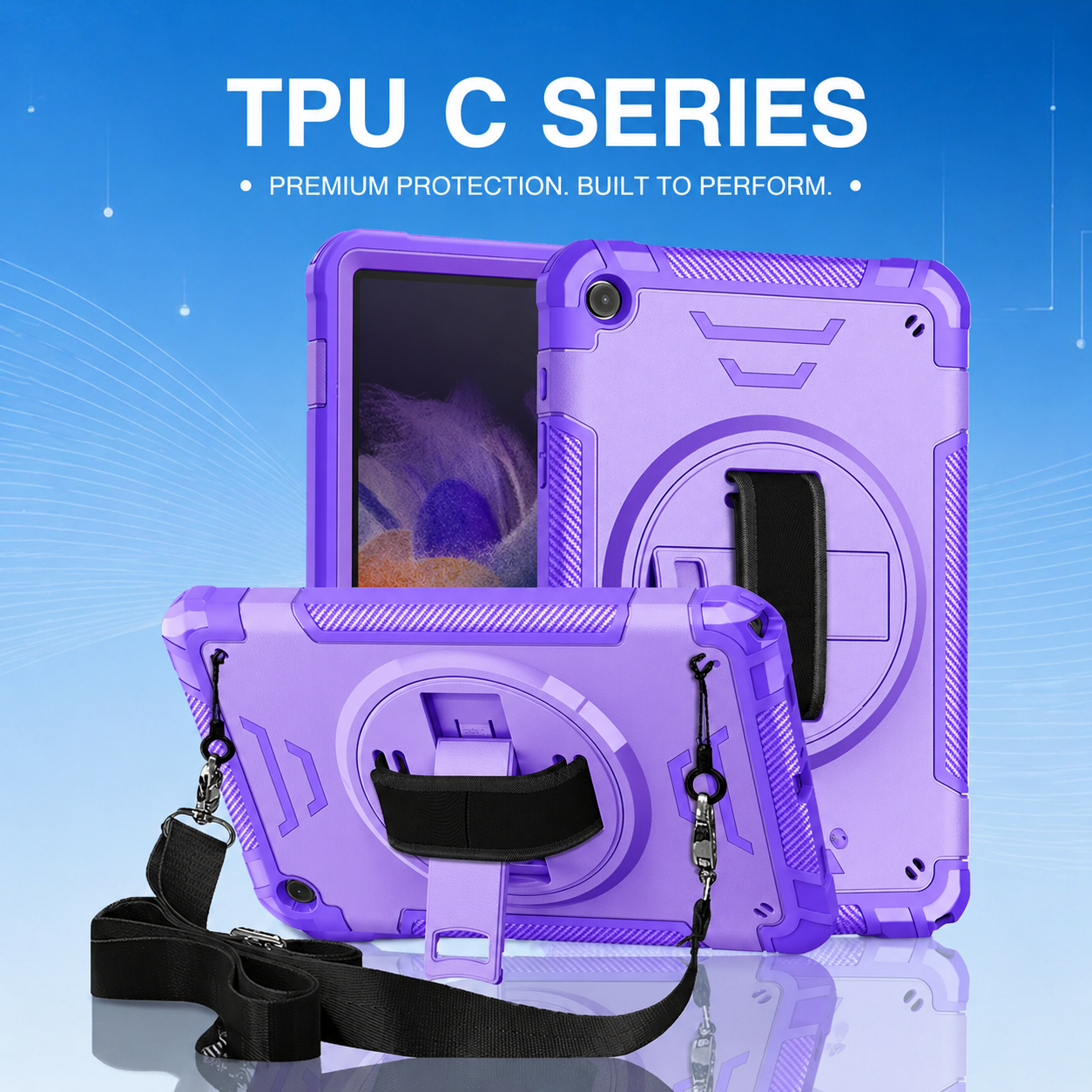
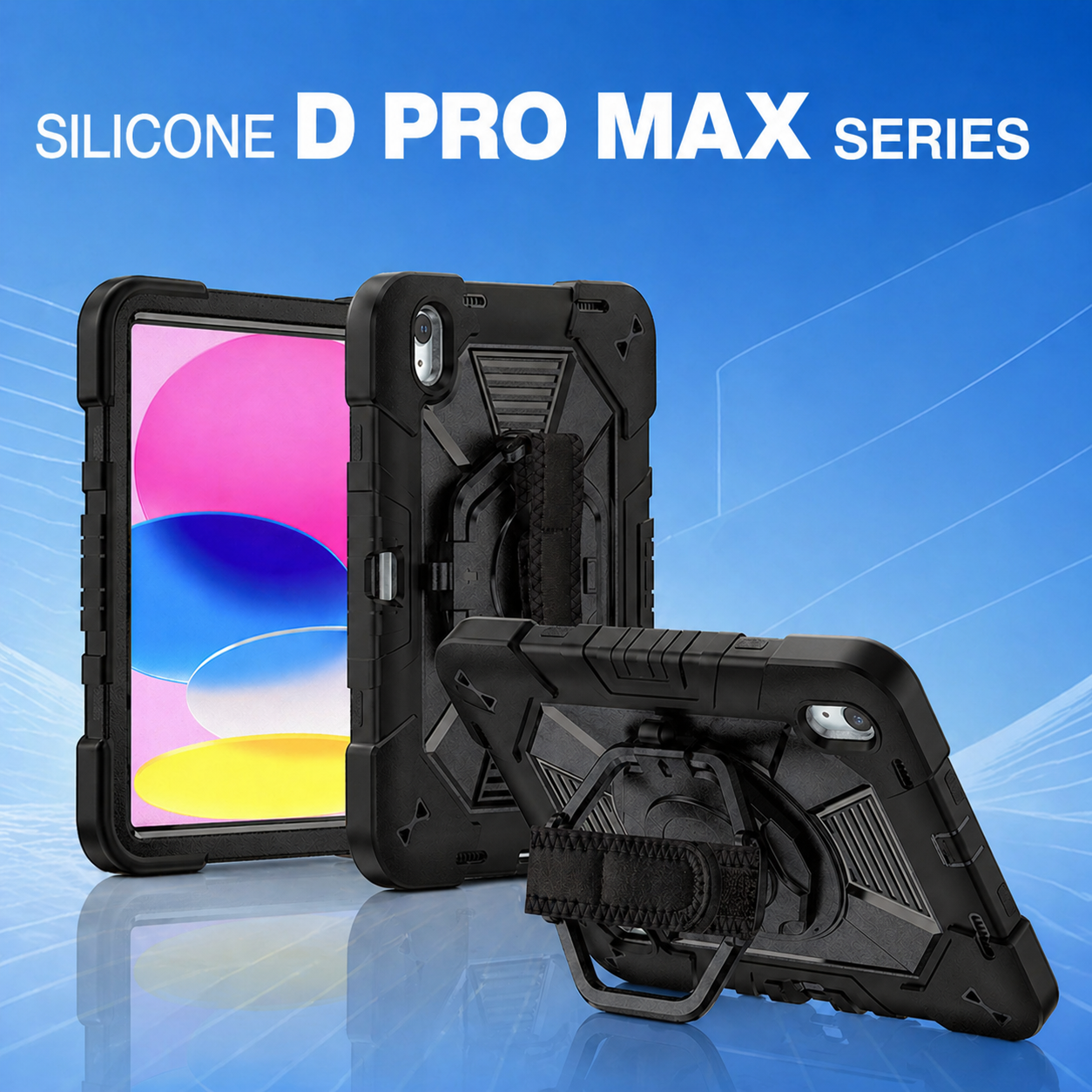
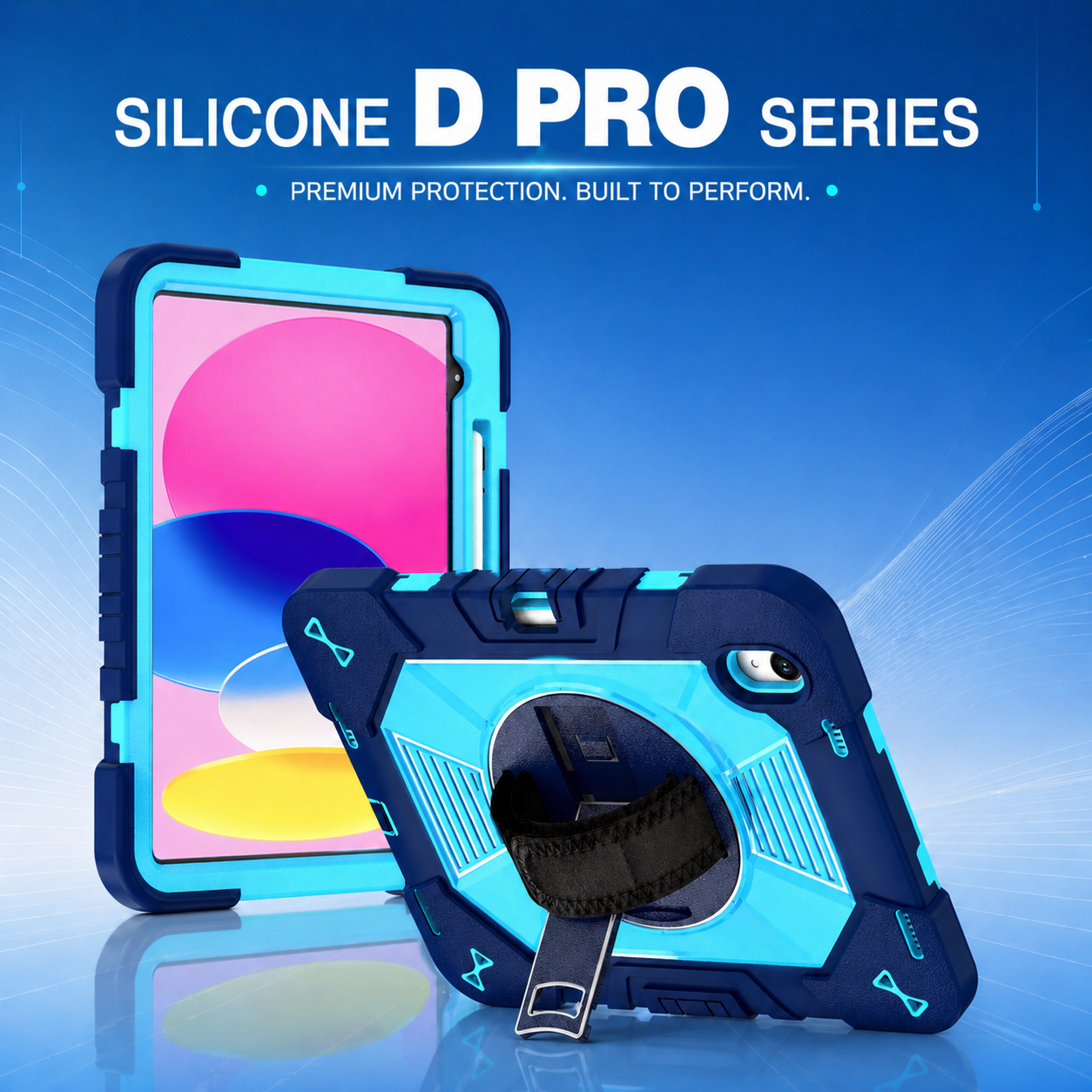
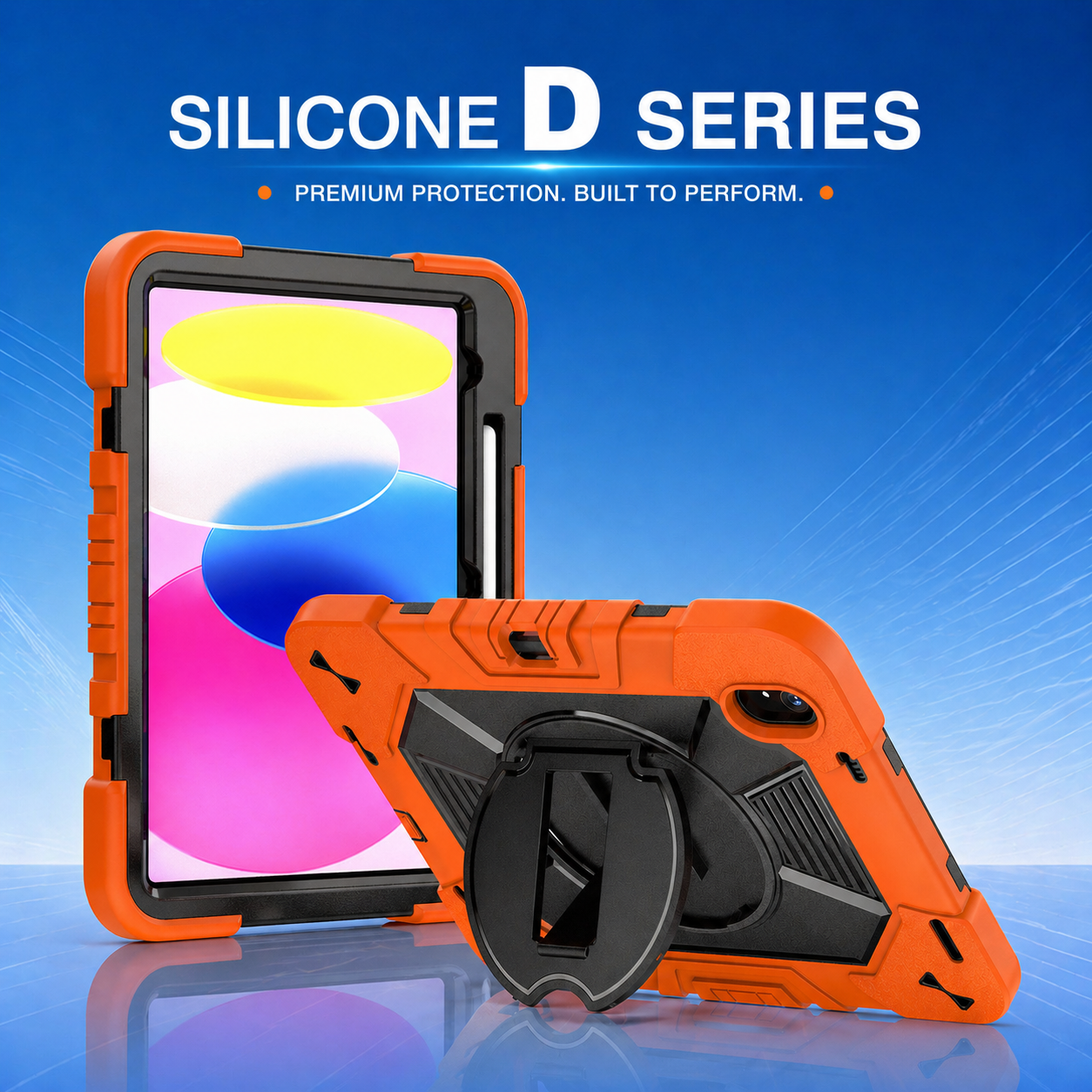

Why Silicone Molding Matters in OEM Rugged Tablet Case Manufacturing
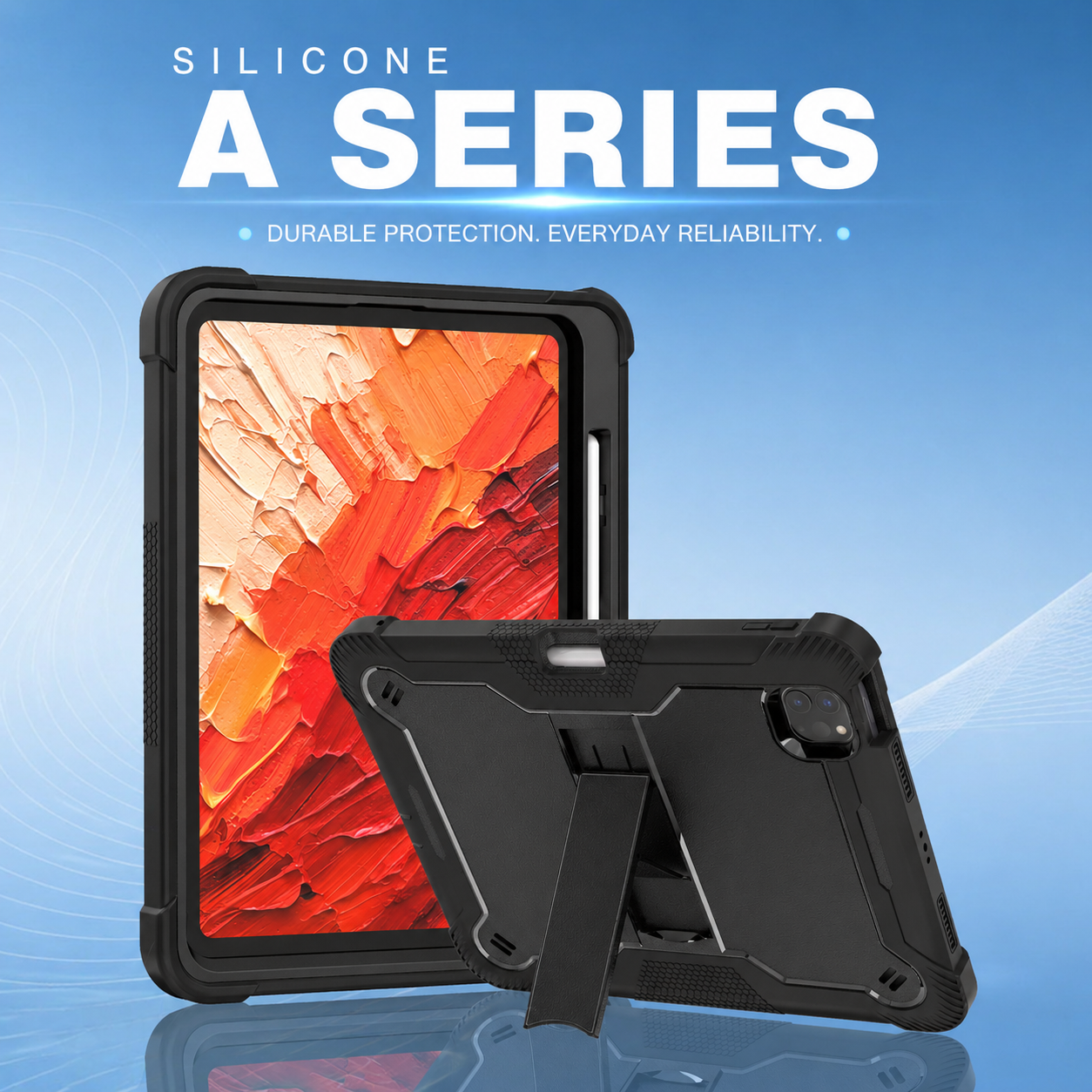
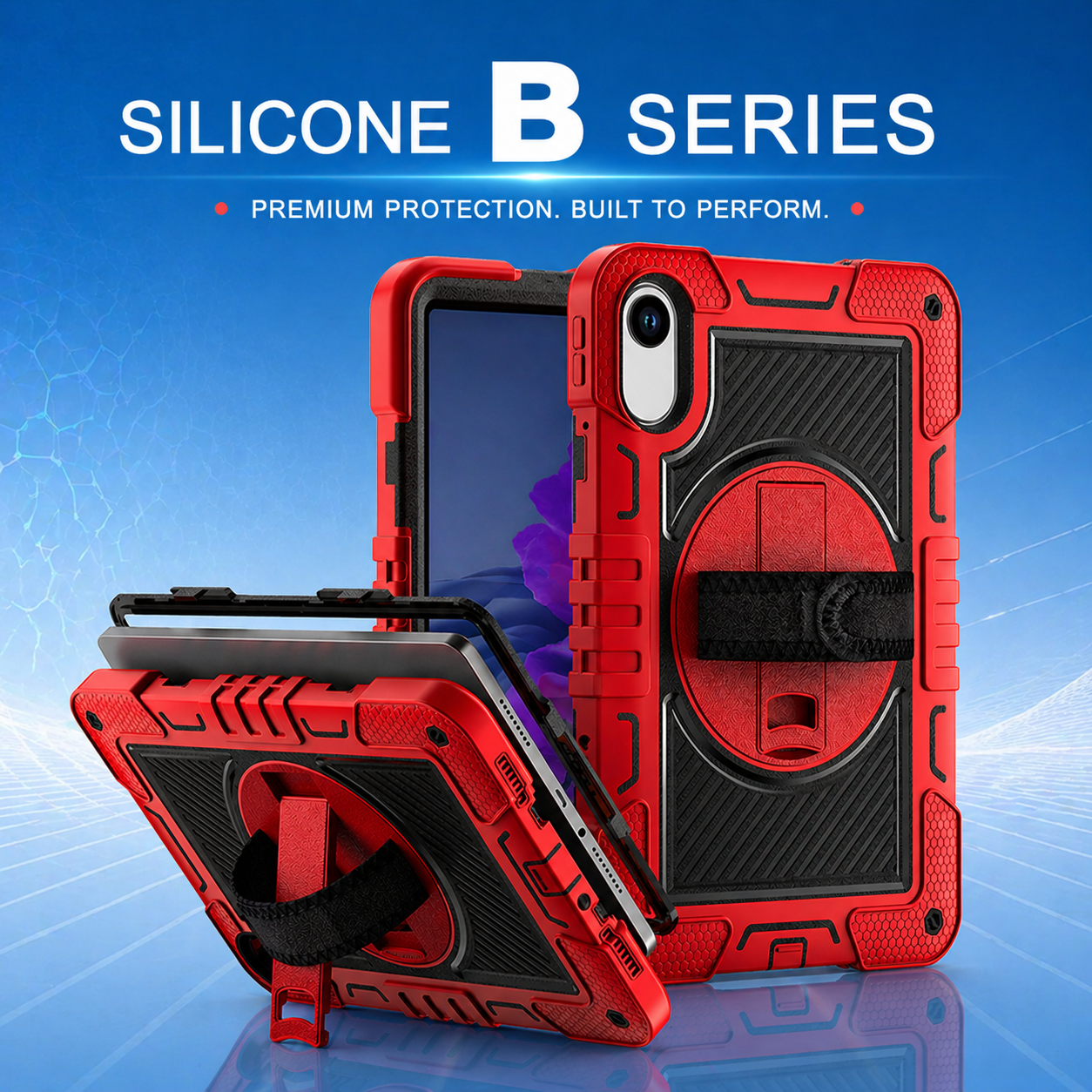
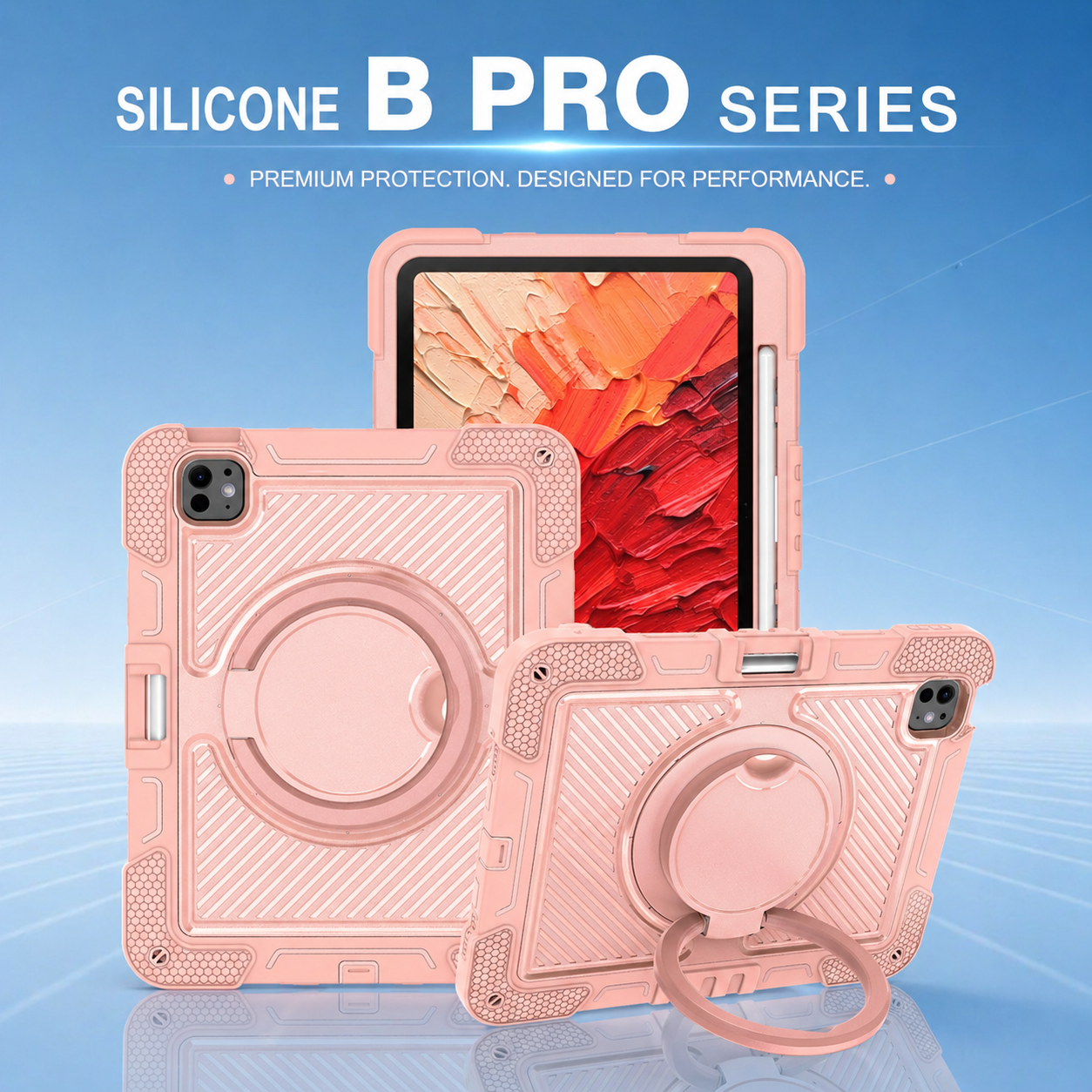
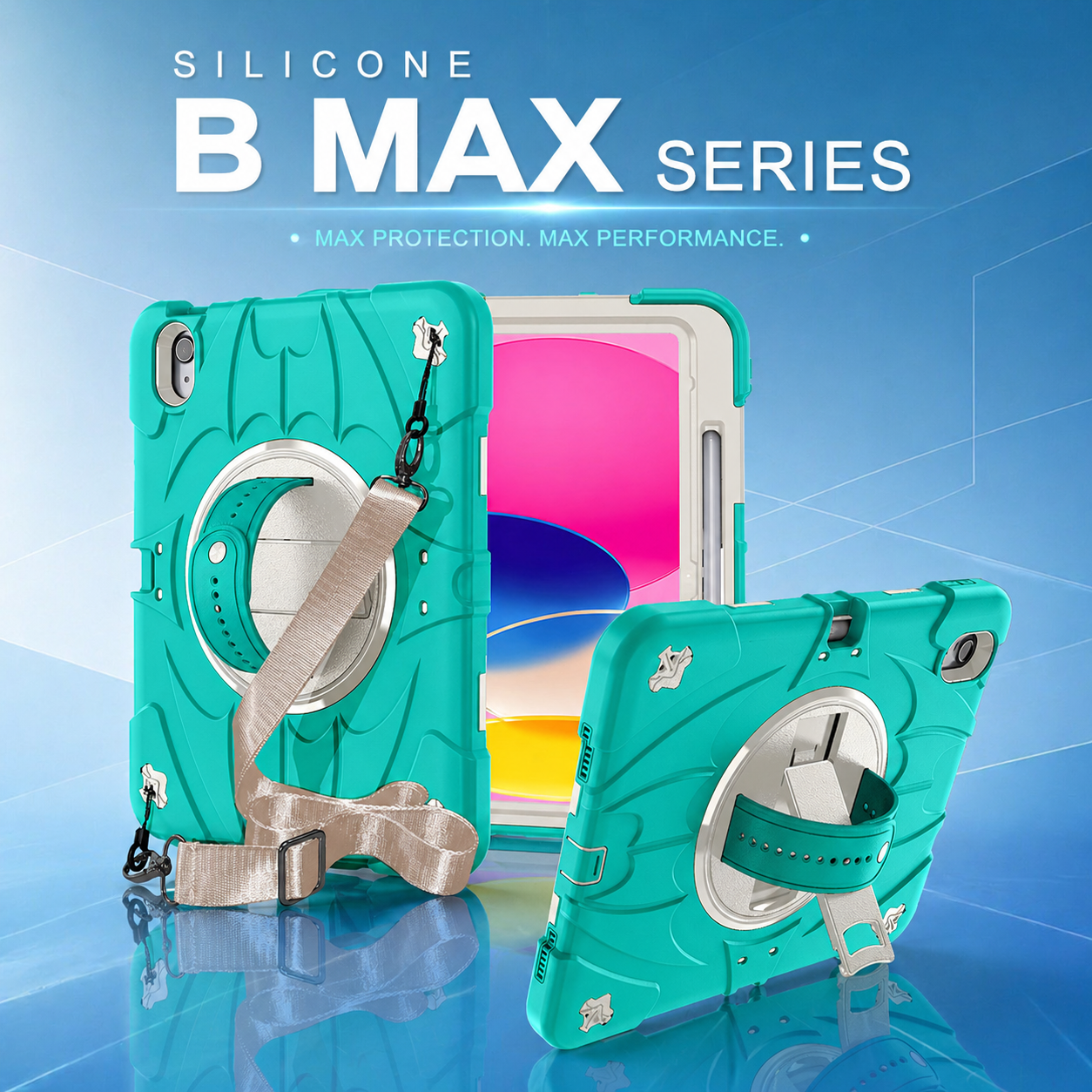
In OEM tablet case production, the soft protective layer often determines how users feel the product in real life. A hard shell can provide structure, but silicone can improve grip, absorb shock, protect edges, and make the case more comfortable to hold. For brands developing a kids education tablet case or a commercial protective cover, silicone molding is one of the most important steps in the manufacturing plan.
1. From design requirement to silicone specification
Before production starts, the factory reviews the customer’s target tablet model, user group, protection level, and design style. Silicone hardness, color, texture, corner thickness, button flexibility, and anti-slip pattern are all discussed. A school-focused product may need softer edges and bright colors, while an industrial product may need a thicker bumper and stronger corner protection. This early confirmation helps avoid repeated sampling and reduces production risk.
2. How Silicone Molding supports protection
Silicone Molding forms the flexible parts of the tablet case, including outer bumpers, button covers, corner cushions, anti-slip pads, and impact-absorbing edges. During the process, the factory controls material ratio, mold temperature, pressure, and curing time. If Silicone Molding is unstable, the case may show uneven surfaces, weak edges, color variation, or poor fit with the hard shell. A reliable molding process keeps every unit consistent across the batch.
3. Combining silicone with PC structures
Many OEM projects use a hybrid structure because it balances firmness and flexibility. A PC+Silicone tablet case usually has a hard PC back shell or frame combined with a silicone outer layer. The PC part supports shape and device fit, while silicone improves shock absorption and hand comfort. For buyers, this structure is often suitable for education, retail, warehouse, medical, and field service applications where tablets are used daily.
4. Mold accuracy and surface detail
Silicone parts must match the tablet and the hard shell accurately. Camera openings, charging port covers, speakers, buttons, pencil holders, and strap positions need precise alignment. Even a small deviation can make installation difficult or affect daily use. Surface details such as logo embossing, anti-slip texture, and color separation also depend on mold precision. Good mold design makes the final product look more professional and helps the customer’s brand stand out.
5. Color control for brand identity
OEM customers often request Pantone colors or brand-specific color combinations. Silicone is sensitive to color mixing and production conditions, so the factory must compare samples under proper lighting and confirm the approved color before mass production. For a kids education tablet case, stable color is especially important because buyers often order multiple bright shades for classrooms, retail kits, or school tablet programs.
6. Connection with trimming and inspection
After molding, each silicone part is checked for flashing, bubbles, stains, deformation, and incomplete edges. Workers remove excess material and separate defective pieces before assembly. This step prevents visible flaws from reaching the final product. A smooth trimming process also keeps the case comfortable to hold, especially around corners, buttons, and port covers.
7. Why silicone molding affects user experience
A well-made silicone layer helps the case feel secure in the hand, reduces slipping on desks, and softens accidental impacts. For education, it protects tablets handled by students. For enterprise users, it helps tablets survive frequent movement between workstations, vehicles, counters, and warehouse shelves. When combined with a strong hard shell, silicone can turn a simple accessory into a dependable protective solution.
Linked focus for the next article: Product Assembly






.png)
+86 13422271740
.png)
info@tongmeitech.com
.png)
No. 34, Mashe Section, Guihe Road, Lishui Town, Foshan, Guangdong, China