Learn how to strategically negotiate MOQs with tablet case suppliers. This guide outlines supplier perspectives, pricing structures, and smart tactics to help B2B buyers get better deals on shockproof tablet cases.
Navigating MOQ Negotiations with Tablet Case Suppliers
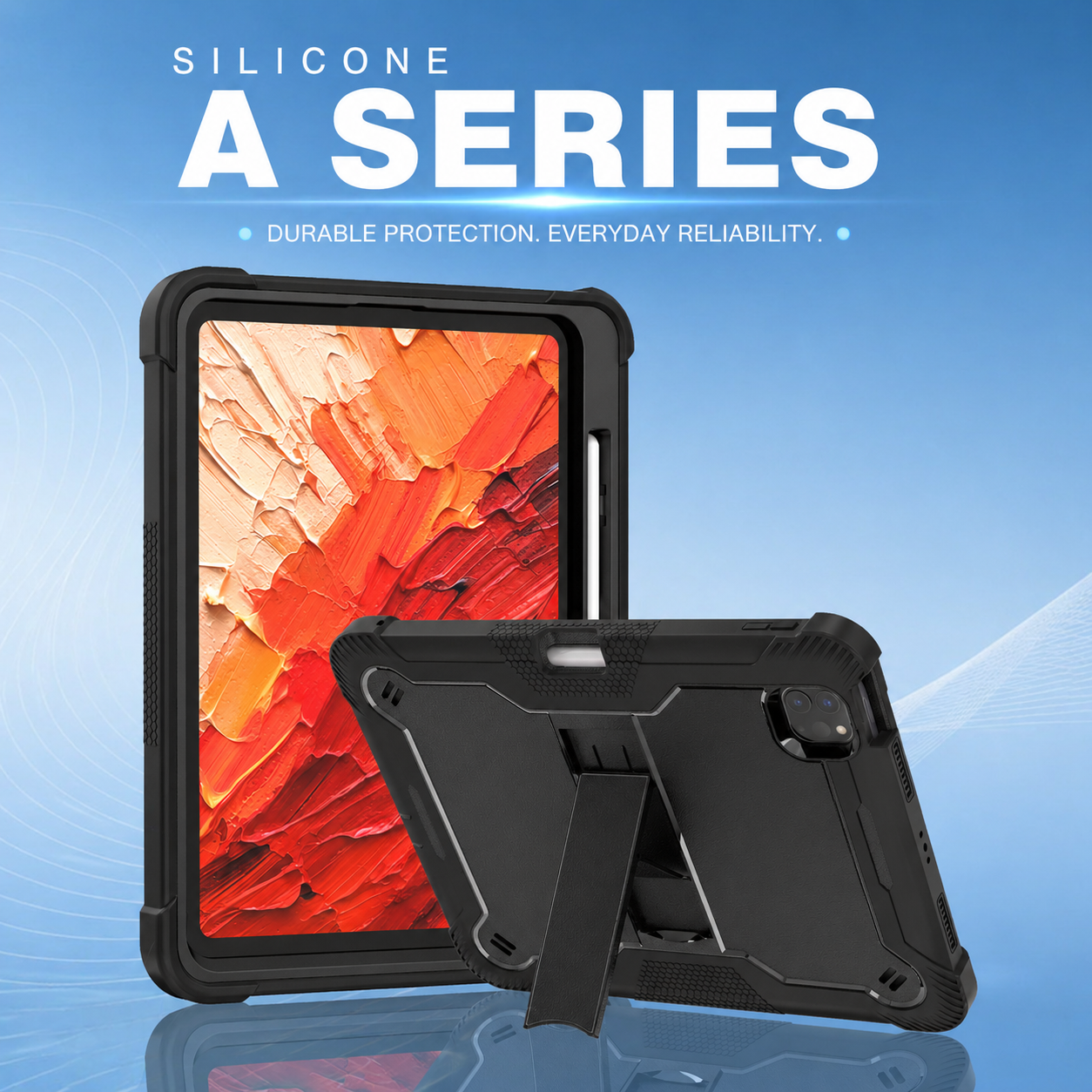
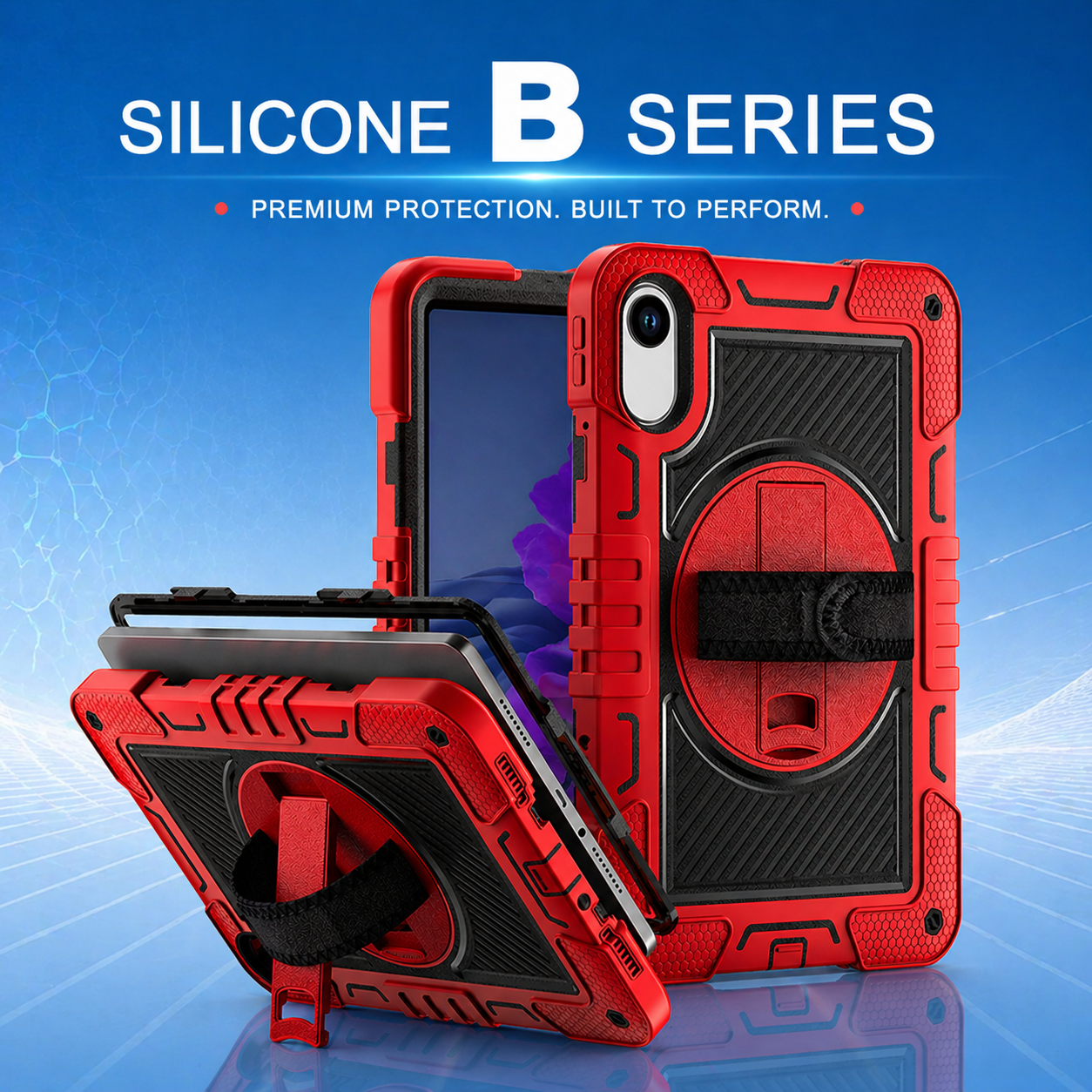
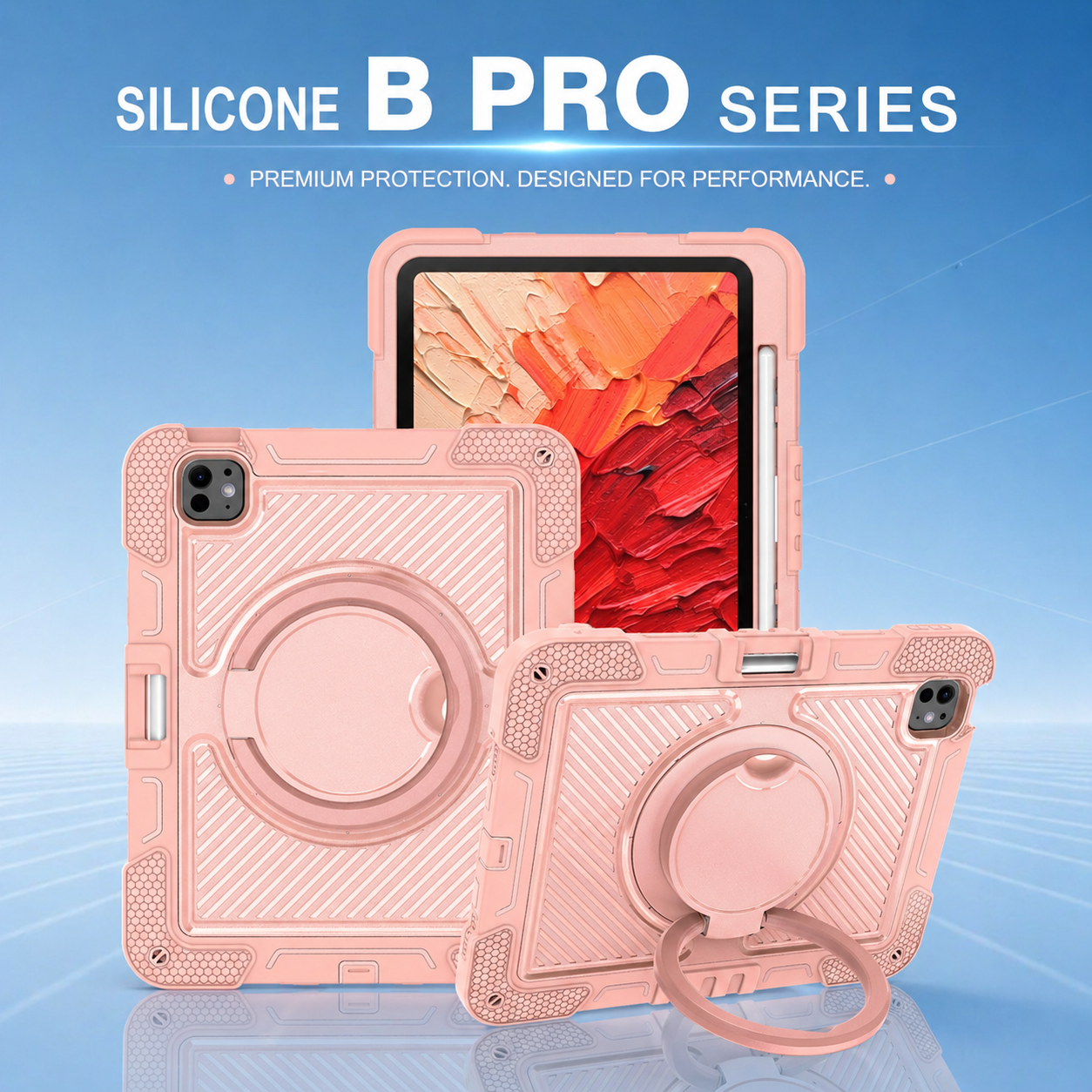
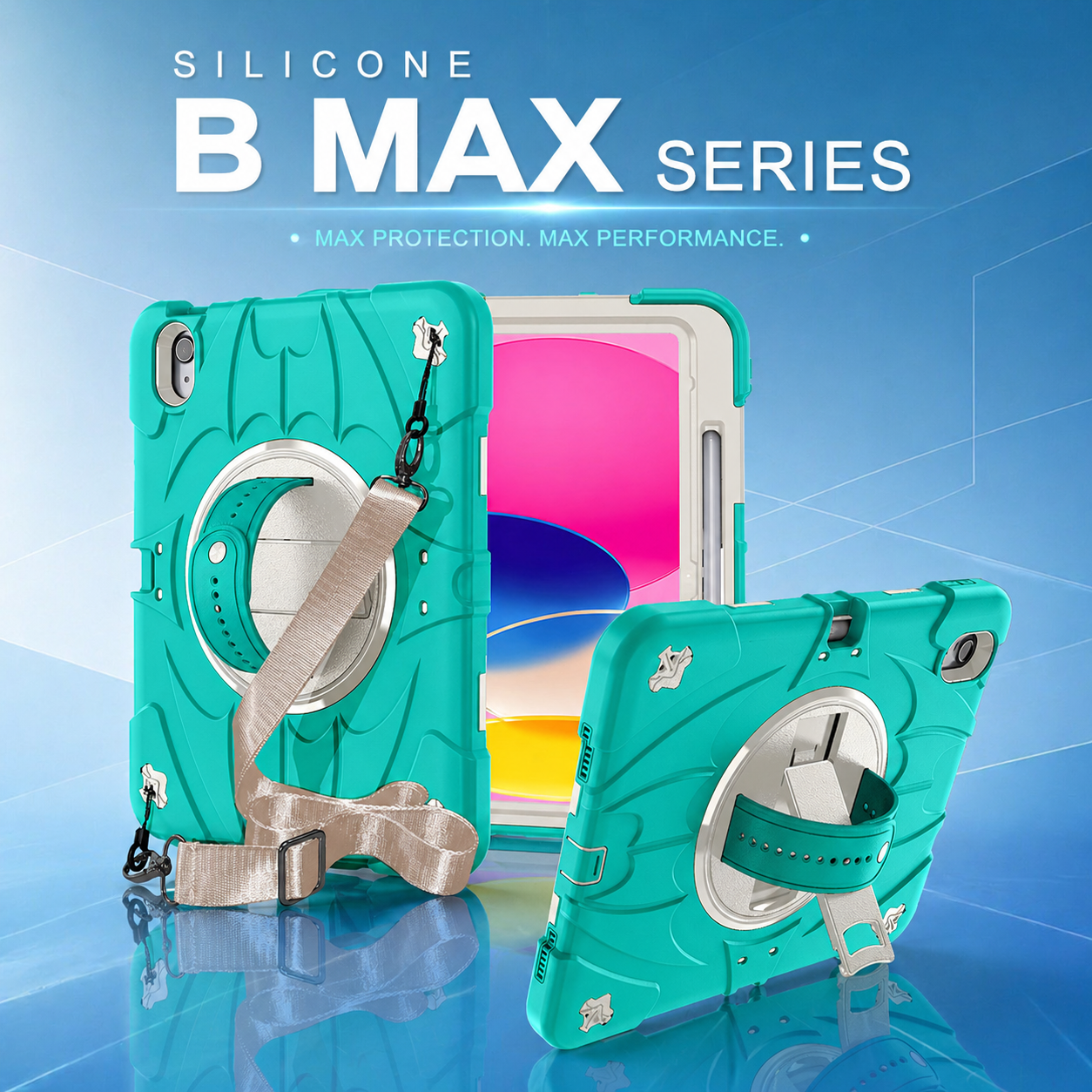
For B2B buyers, MOQ (Minimum Order Quantity) discussions are one of the most strategic negotiation points. Whether you're sourcing rugged models or sleek shockproof tablet case designs, understanding how to manage MOQ can help balance costs, customization, and supplier relationships.
1. Why MOQ Exists
Suppliers typically set MOQs to cover production setup costs, raw material sourcing, and operational efficiency. For example:
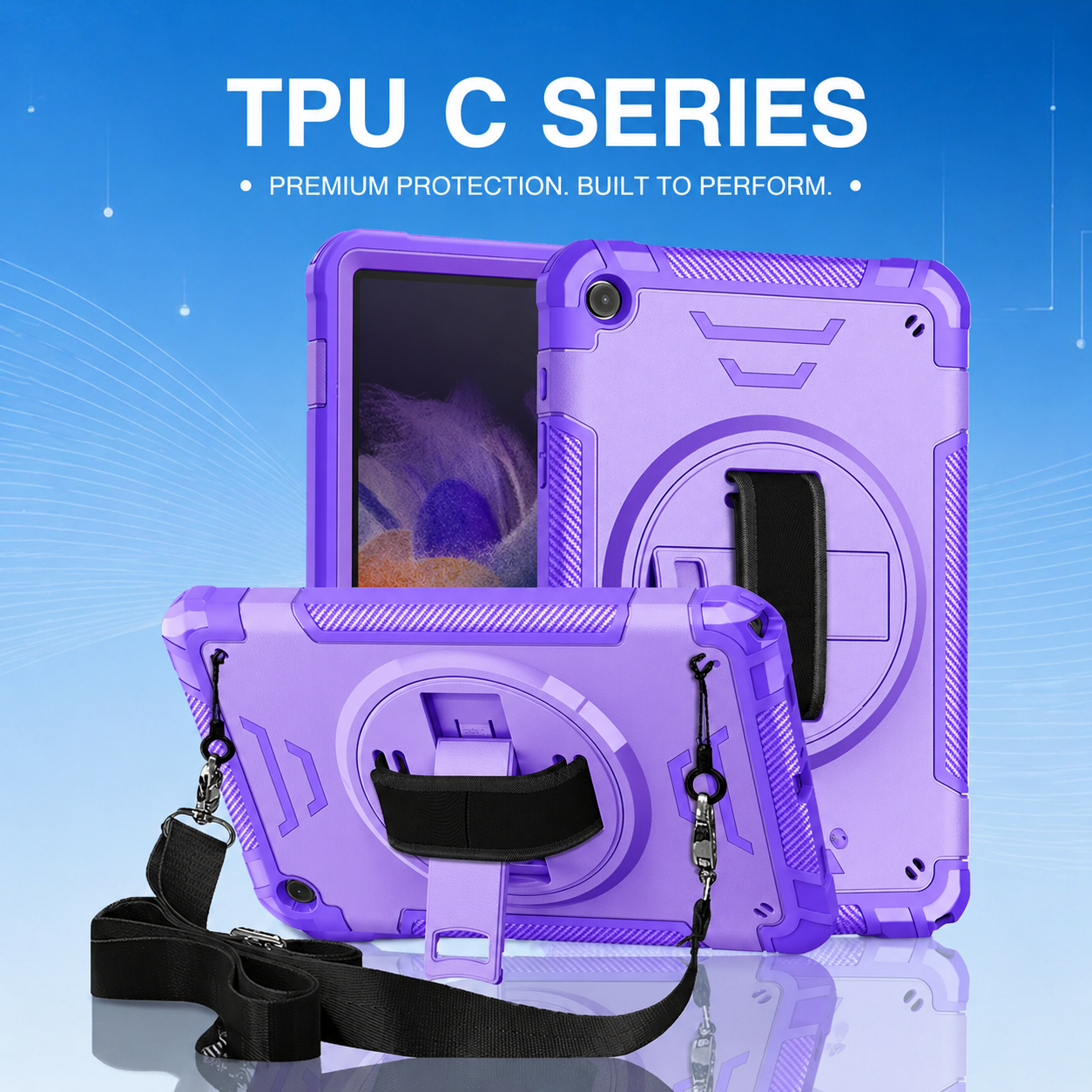
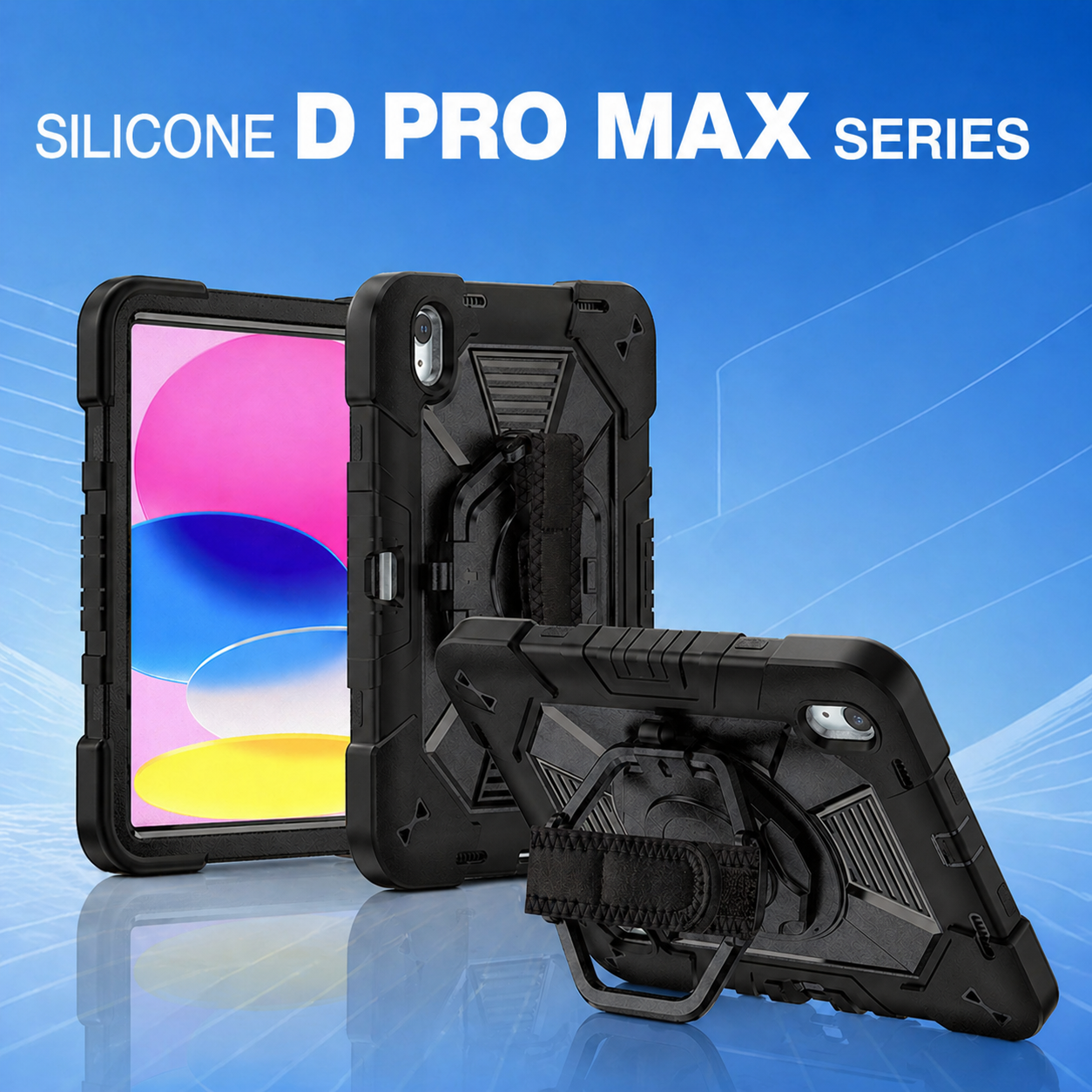
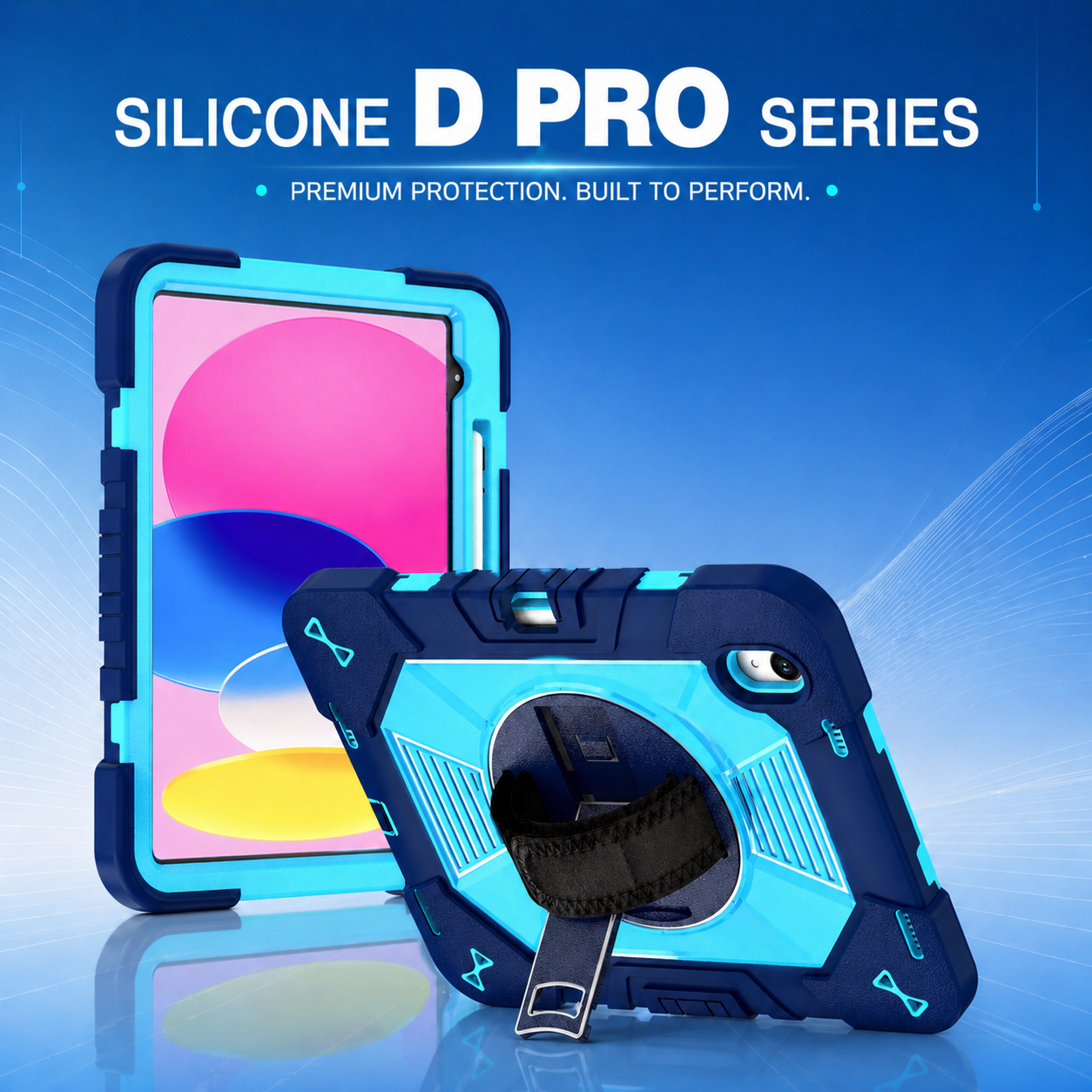
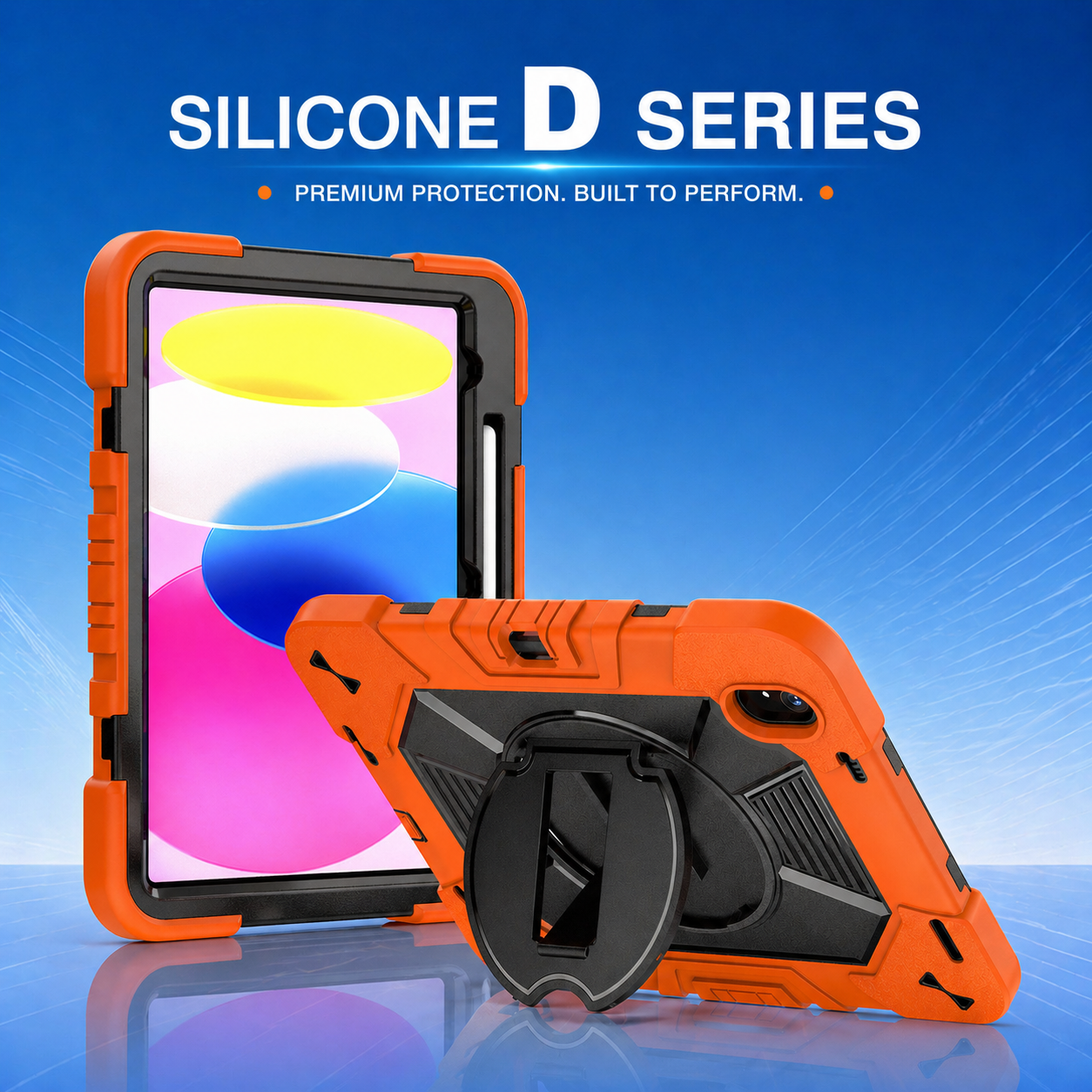
- A factory producing shockproof tablet case may have to order molds or specific rubber blends in bulk.
- MOQ helps ensure profitability for both OEM and ODM orders.
2. Tactics for Lowering MOQ
If you're a smaller buyer or testing new markets:
- Offer long-term commitment in exchange for initial lower MOQ.
- Ask for mixed SKUs under the same MOQ threshold (e.g., multiple models of shockproof tablet case).
- Request stock samples or semi-custom designs.
3. Balancing MOQ with Unit Price
Higher MOQs typically reduce unit cost, but consider:
- Total warehousing cost
- Product lifecycle (e.g., a fast-evolving tablet model may not need high volume)
- Custom branding setup costs
Always request quotes for 3 quantity levels to compare scalability.
4. Supplier Perspective: Win-Win Mentality
A strategic supplier sees MOQ flexibility as a competitive advantage:
- Transparent communication builds trust
- Clarify your market intent: education, healthcare, logistics, etc.
- For shockproof tablet case, some suppliers stock semi-finished shells that can be branded on demand





.png)
.png)
.png)